KUCHING – The Sarawak Timber Industry Development Corporation (STIDC) is promoting its Timber Industry Regulatory and Compliance System (TRACE) and proposed Furniture Park as part of efforts to attract investment into Sarawak’s downstream timber and furniture industries.
The initiatives are being showcased at the Sarawak Global Supply Chain and Sourcing 2026, held at the Pullman Hotel in Kuching, where the event brings together investors, business organisations and industry players to explore potential commercial partnerships.
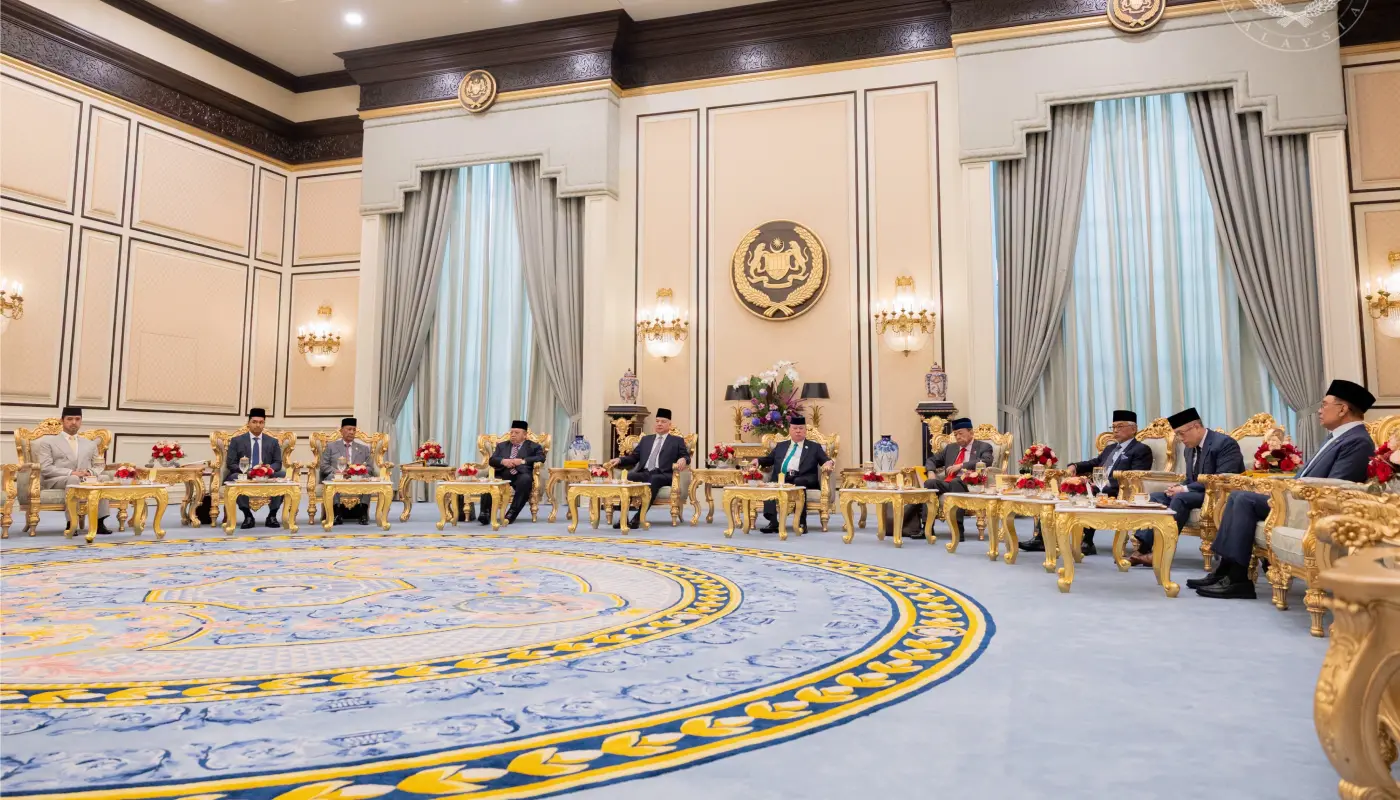
Sarawak Deputy Premier Datuk Amar Awang Tengah Ali Hasan said the state recorded RM11.2 billion in approved investments during the first half of 2026, with local investors accounting for a significant share of the investment.
He made the remarks during the launch of the programme on Tuesday, as participants gathered to examine opportunities across Sarawak’s supply chains and industrial sectors.
STIDC is taking part as an exhibitor from September 29 to 30, using the event to present its products, services, regulatory initiatives and investment opportunities to potential investors and business partners from Sarawak, other parts of Malaysia and overseas markets.
Among the main initiatives highlighted is TRACE, a system designed to support regulation and compliance within the timber industry. The system provides a more systematic approach to managing regulatory requirements as the sector develops beyond primary timber activities and expands into downstream industries.
The corporation is also presenting the proposed Furniture Park, which is intended to support the development of Sarawak’s furniture manufacturing sector.
The proposed facility is aimed at creating opportunities for businesses to move further downstream within the timber value chain, potentially allowing more timber-related activities to be developed into higher-value products within the state.
STIDC General Manager Datu Zainal Abidin Abdullah said the event provides a platform for the corporation to introduce its regulatory systems and investment opportunities to a broader audience of investors and industry representatives.
“Through this event, we are able to showcase TRACE, the Furniture Park and other initiatives undertaken by STIDC to support the development of the timber and furniture industries. We hope these efforts will create greater interest among investors and industry players, and encourage more participation in Sarawak’s downstream timber sector,” he said.
In addition to investment and regulatory initiatives, STIDC is highlighting specialised training programmes intended to develop skilled workers for the timber and furniture sectors.
The training component reflects the industry’s need for suitable workforce capabilities as businesses expand into downstream manufacturing and related activities. Developing skills alongside industrial infrastructure can support companies seeking to undertake more specialised production within the state.
The event also provides a setting for companies to establish business connections and examine opportunities for collaboration across supply chains.
Organisers are bringing together multinational corporations, anchor companies, investors, business organisations and enterprises to exchange knowledge, identify potential areas of cooperation and explore commercial opportunities.
A further focus is connecting local businesses with international partners and integrating them more closely with regional and global supply chains.
For Sarawak’s timber industry, the participation places attention on the transition towards downstream activities, with regulatory systems, industrial facilities, workforce development and investment opportunities presented as interconnected elements of sector development.
STIDC’s presence at the two-day event is therefore centred on promoting initiatives that can support greater participation in downstream timber and furniture activities while giving potential investors and industry players an opportunity to engage with the corporation directly.
The programme continues through September 30, with participating businesses and investors expected to use the platform to explore partnerships, exchange industry knowledge and assess opportunities within Sarawak’s wider supply chain ecosystem.