



Somalia has issued a strong demand for Israel to reverse its recognition of Somaliland, describing the move as an act of aggression and interference in its sovereignty.

The statement came just a day after Israel became the first country to formally acknowledge Somaliland’s independence, sparking celebrations in Hargeisa but drawing sharp condemnation across Africa and the Arab world.
Ali Omar, Somalia’s state minister for foreign affairs, told Al Jazeera that Mogadishu would pursue “all available diplomatic means” to challenge what he labelled “state aggression”.
He accused Israel of using the recognition as part of a broader plan to forcibly displace Palestinians from Gaza, saying: “One of the motivating factors is the displacement of Palestinians from Gaza. It has been widely known – Israel’s goal on that issue.”
Somaliland, which declared independence in 1991 after Somalia’s civil war, has operated with its own currency, parliament and flag but has never secured recognition from any UN member state.
President Abdirahman Mohamed Abdullahi, known locally as Cirro, defended Israel’s decision, insisting it was “not directed against any state, nor does it pose a threat to regional peace.”
The Palestinian foreign ministry backed Somalia’s position, warning that Israel had previously identified Somaliland as a potential destination for displaced Palestinians, calling such plans a “red line”.
Somalia’s prime minister’s office described Israel’s recognition as a “deliberate attack” on Somalia’s sovereignty, stressing that Somaliland remains an “inseparable” part of Somali territory.
The African Union also rejected the move, citing its long-standing principle of maintaining inherited borders, while Arab League Secretary-General Ahmed Aboul Gheit condemned Israel’s action as a violation of international law.
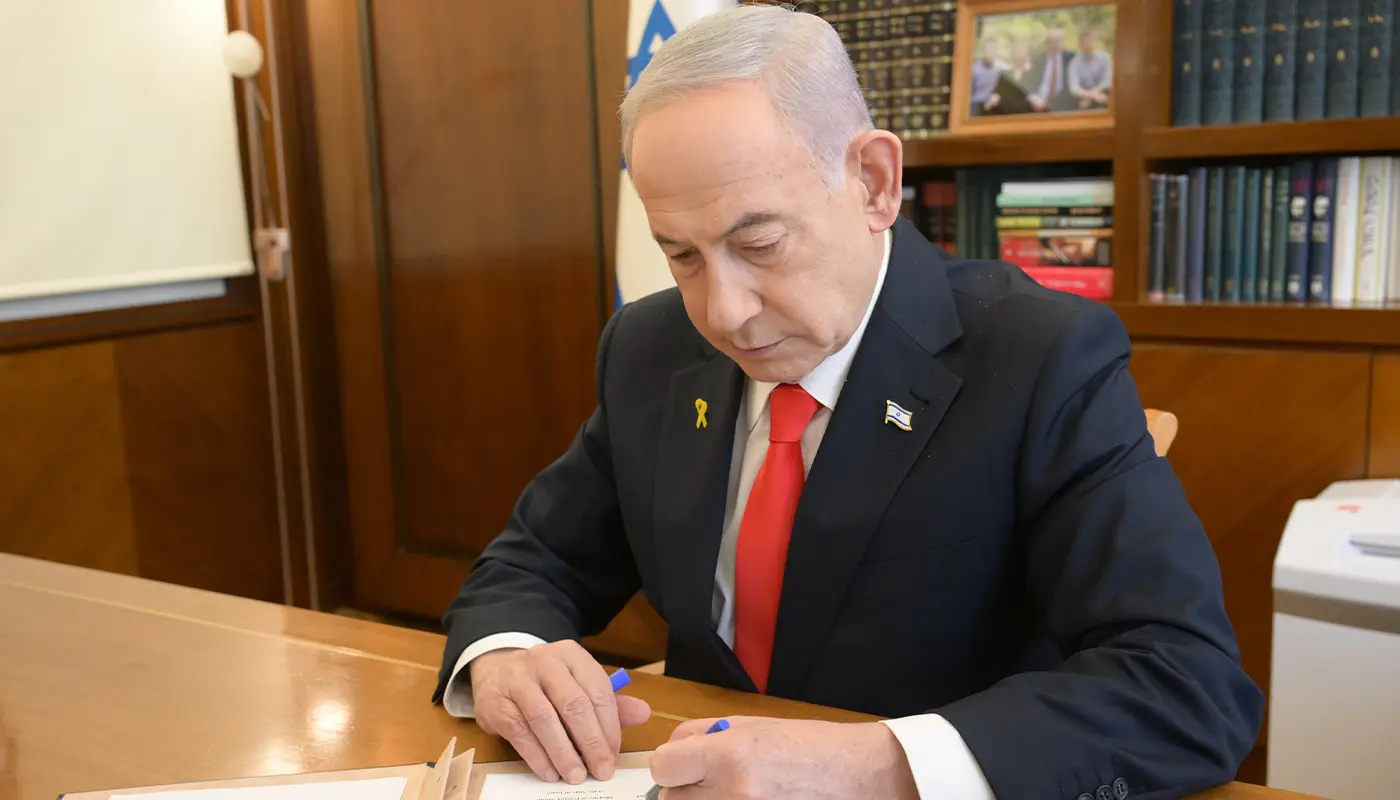
Israeli Prime Minister Benjamin Netanyahu framed the recognition as part of the Abraham Accords, pledging to champion Somaliland’s cause during his upcoming meeting with US President Donald Trump.
However, Trump distanced himself from Netanyahu, telling The New York Post he would not follow Israel’s lead. Somalia’s Public Works Minister Ayub Ismail Yusuf welcomed Trump’s stance, thanking him publicly for his support.
Despite international backlash, thousands of Somalilanders celebrated in Hargeisa, waving flags and projecting the Israeli flag onto the national museum. For many, the recognition marked the end of three decades of diplomatic isolation.
The controversy underscores the strategic importance of the Horn of Africa, a region long contested by global powers. Somalia’s historical tensions with Israel, rooted in Cold War alliances with Ethiopia, add further complexity to the unfolding diplomatic crisis.
Sources: Al Jazeera, Middle East Eye, The New York Post, African Union statements
