



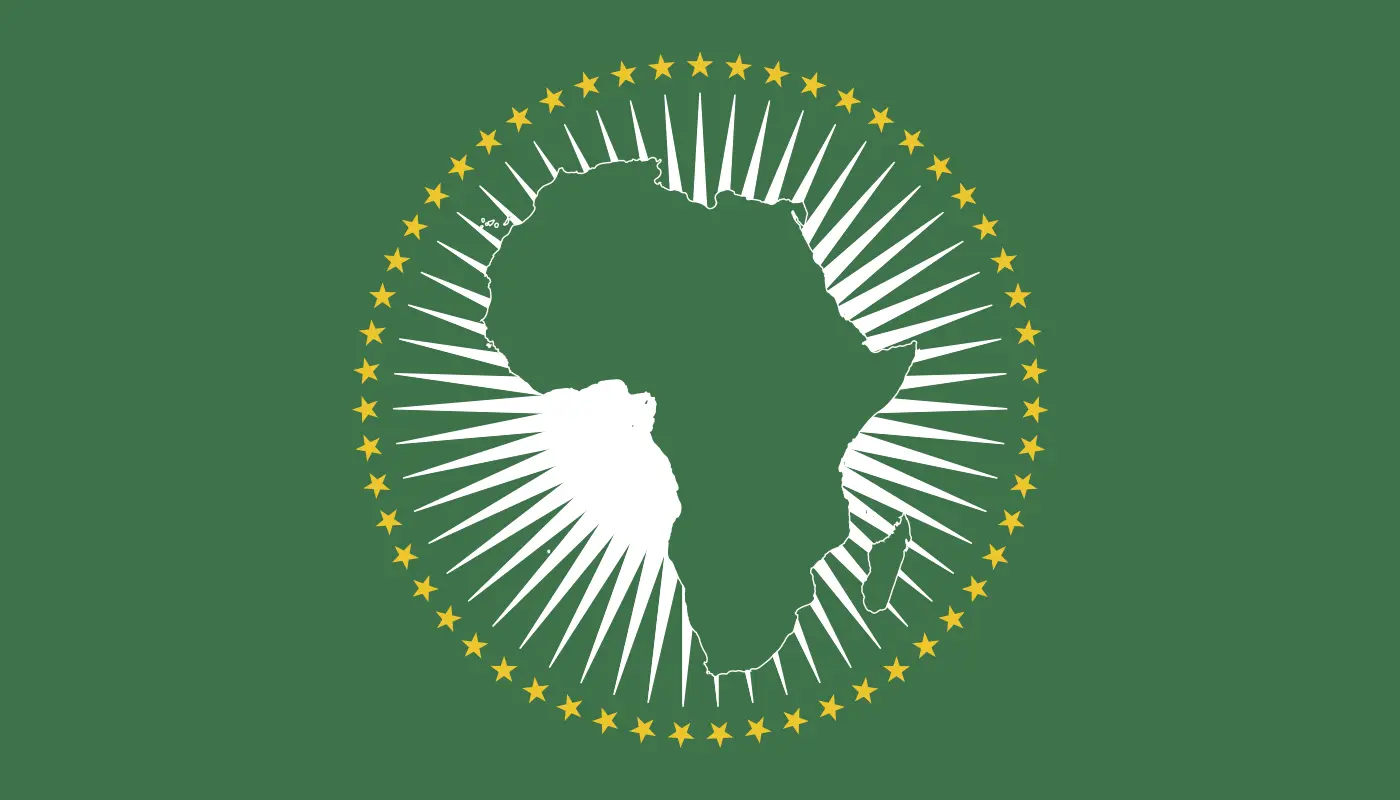
The African Union (AU) has strongly denounced Israel’s recognition of Somaliland, warning that the move undermines regional stability and violates long-standing principles of African unity.

The condemnation came after Israel became the first country to formally recognise Somaliland’s independence, a decision that has sparked celebrations in Hargeisa but provoked widespread criticism across Africa and the Arab world.
AU Chairperson Mahamoud Ali Youssouf issued a statement on 28 December rejecting any initiative aimed at recognising Somaliland as a sovereign state.
He stressed that the continental bloc remains committed to the 1964 Cairo Declaration, which enshrined the principle of maintaining borders inherited at independence. “Any attempt to redraw these borders sets a dangerous precedent with far-reaching implications,” Youssouf said.
Somalia welcomed the AU’s stance, describing Israel’s recognition as a “provocative assault” on its sovereignty. Somali officials reiterated that Somaliland remains an integral part of Somalia’s territory and vowed to pursue diplomatic measures to challenge Israel’s decision.
The Arab League also joined the chorus of condemnation, with Secretary-General Ahmed Aboul Gheit labelling Israel’s move a “flagrant violation of international law” and an infringement on the sovereignty of an Arab and African state.
Israel’s Prime Minister Benjamin Netanyahu defended the recognition, framing it as part of the Abraham Accords and pledging to champion Somaliland’s cause in upcoming talks with the United States.
Somaliland’s President Abdirahman Mohamed Abdullahi, known as Cirro, insisted the recognition was “not directed against any state” and urged the international community to view it as a step towards peace and prosperity.
Despite the backlash, thousands of Somalilanders celebrated in Hargeisa, waving flags and projecting the Israeli flag onto public buildings. For many, the recognition marked the end of three decades of diplomatic isolation.
Analysts warn, however, that Israel’s move could embolden separatist movements across Africa and strain its relations with Arab and Muslim-majority nations.
The AU’s firm rejection underscores the delicate balance between self-determination and continental unity, a debate that has shaped African diplomacy since independence.
Sources: Al Jazeera, Middle East Eye, The New York Post, African Union statements
