



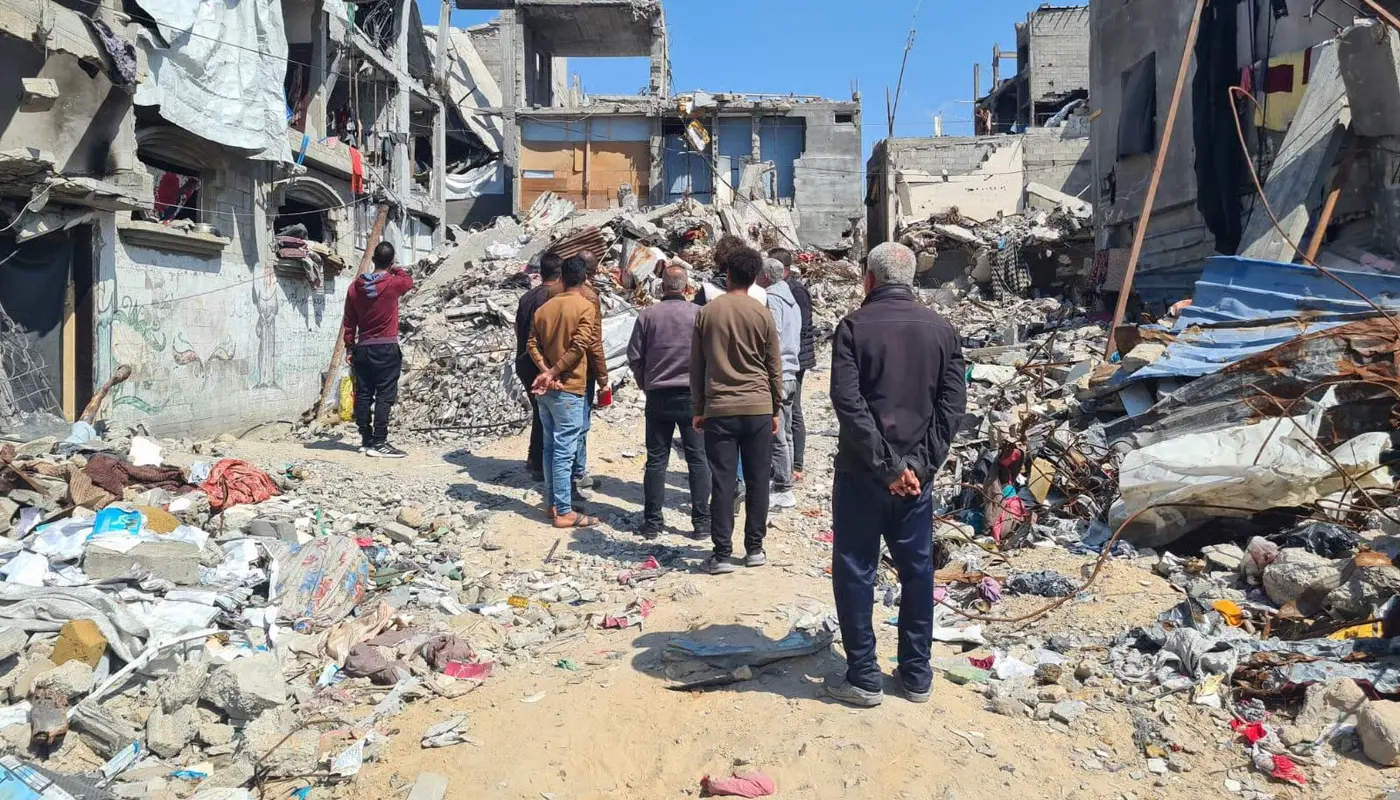
Israel has announced the restriction of more than three dozen humanitarian organisations operating in the Gaza Strip, including Doctors Without Borders (Médecins Sans Frontières), after they failed to comply with new registration requirements by Israel.

The Israeli Ministry of Diaspora Affairs and Combating Antisemitism confirmed on Tuesday that the groups’ authorisations will be revoked from 1 January, with operations required to cease by March 2026.
The new rules oblige aid organisations to provide detailed information about their Palestinian employees, funding sources, and operational structures.
Israeli officials argue that the measures are necessary to prevent militant infiltration of humanitarian networks. They claim that some groups were given a “good-faith extension” since March but did not meet the end-of-year deadline.
Humanitarian agencies have strongly criticised the decision, warning that it will exacerbate Gaza’s already dire situation. The enclave, home to around two million people, has endured two years of Israeli aggression and remains under a fragile ceasefire that began in October.
Despite the slowdown in military operations, widespread hunger and privation persist, with aid groups playing a critical role in delivering food, medical care, and shelter.
International reaction has been swift. The foreign ministers of Canada, Denmark, Finland, France, Iceland, Japan, Norway, Sweden, Switzerland, and Britain issued a joint statement urging Israel to allow humanitarian organisations to “operate in Gaza in a sustained and predictable way.”
They described any attempt to restrict aid as “unacceptable,” stressing that without these groups, “it will be impossible to meet all urgent needs at the scale required”.
Doctors Without Borders said in a statement that, as of 30 December, it had not received any official notification regarding the registration requirements.
The organisation, which has been providing medical assistance in Gaza for decades, warned that the suspension could severely undermine healthcare provision in the territory.
Israel’s Ministry of Diaspora Affairs has defended the move, citing security concerns. Officials claim that Hamas and other militant groups have previously exploited humanitarian organisations to conceal their activities.
Under the new regulations, NGOs that have supported boycotts against Israel, denied the October 7 attack, or expressed backing for international legal cases against Israeli leaders could also be barred from operating.
The suspension affects roughly 15% of the NGOs currently working in Gaza, according to Israeli authorities.
Analysts warn that the decision could deepen the humanitarian crisis and further isolate Gaza’s population, while also straining Israel’s relations with Western allies, who view aid access as essential to stabilising the region.
As the March deadline approaches, the fate of thousands of aid workers and the millions who depend on their services remains uncertain.
The coming weeks will determine whether diplomatic pressure can persuade Israel to reconsider its stance, or whether Gaza will face an even greater humanitarian emergency.
Sources: Sky News, CNBC TV18, JTA, Al Jazeera
