



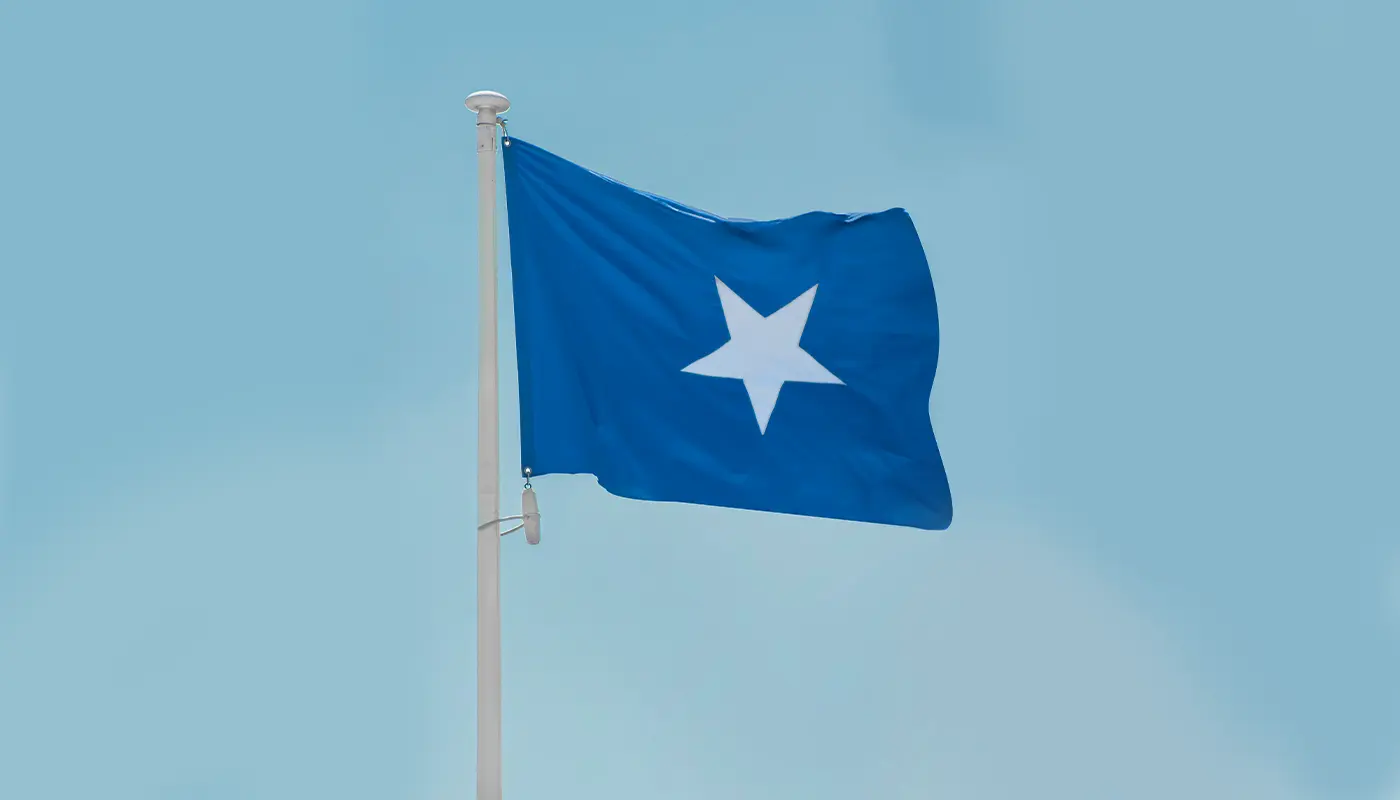
Relations between Somalia and the United Arab Emirates have plunged to their lowest point in decades following the fallout from Israel’s recognition of Somaliland.

Mogadishu accuses Abu Dhabi of playing a decisive role in influencing the move, which has triggered a sharp diplomatic rupture and realigned Somalia more closely with Saudi Arabia amid intensifying Gulf rivalries.
Israel formally recognised Somaliland as an independent state on 26 December 2025, becoming the first UN member to do so.
The decision sparked widespread condemnation across the Arab world, with the Arab League convening an emergency session to denounce the move.
However, the UAE abstained from signing the Saudi-led joint statement of condemnation, a stance that has been interpreted in Mogadishu as tacit support for Somaliland’s recognition.
Adding to the tension, reports suggest that the UAE has quietly taken steps towards recognising Somaliland itself.
Evidence has emerged of Abu Dhabi accepting Somaliland passports and engaging in direct dealings with the breakaway region, though no official announcement has been made. This has further fuelled Somali suspicions that the UAE is undermining its sovereignty.
The deterioration in ties is particularly striking given the UAE’s longstanding role as one of Somalia’s closest international partners.
For years, Abu Dhabi provided financial assistance, paid salaries for Somali security forces, and offered training and equipment.
The current rupture marks a dramatic reversal, with Mogadishu now openly aligning with Riyadh in opposition to Abu Dhabi’s perceived manoeuvres.
Somali officials have described the UAE’s position as “deeply damaging” to bilateral relations. Analysts note that the fallout could have wider implications for the Horn of Africa, where Gulf states have long competed for influence through investments, military bases, and political alliances.
The recognition of Somaliland, coupled with the UAE’s ambiguous stance, risks destabilising regional dynamics and complicating Somalia’s fragile political landscape.
The diplomatic crisis also underscores the broader consequences of Israel’s decision, which has reverberated far beyond the Horn of Africa.
While Somaliland has welcomed the recognition as a step towards international legitimacy, Somalia insists the move violates its territorial integrity.
With Abu Dhabi now seen as complicit, Mogadishu’s pivot towards Saudi Arabia may reshape alliances in both the Gulf and East Africa.
As tensions escalate, observers warn that the breakdown in Somalia-UAE relations could hinder cooperation on security, trade, and humanitarian aid.
The coming months will reveal whether the rift deepens further, or if mediation efforts can restore a semblance of trust between the two nations.
Sources: Somali Guardian, Times of Islamabad, MSN
