



LUMUT – The third vessel in Malaysia’s Littoral Combat Ship (LCS) programme was officially named and launched at the Lumut Naval Shipyard, marking another milestone in the country’s efforts to strengthen maritime defence.

The ceremony was attended by His Excellency Tun Pehin Sri Dr Haji Wan Junaidi Tuanku Jaafar, Yang di-Pertua Negeri Sarawak, together with Toh Puan Datuk Patinggi Fauziah Mohd Sanusi.
Their presence underscored Sarawak’s symbolic connection to the ship, which has been named Sharif Mashor in honour of the 19th-century Sarawak warrior renowned for his resilience and leadership.
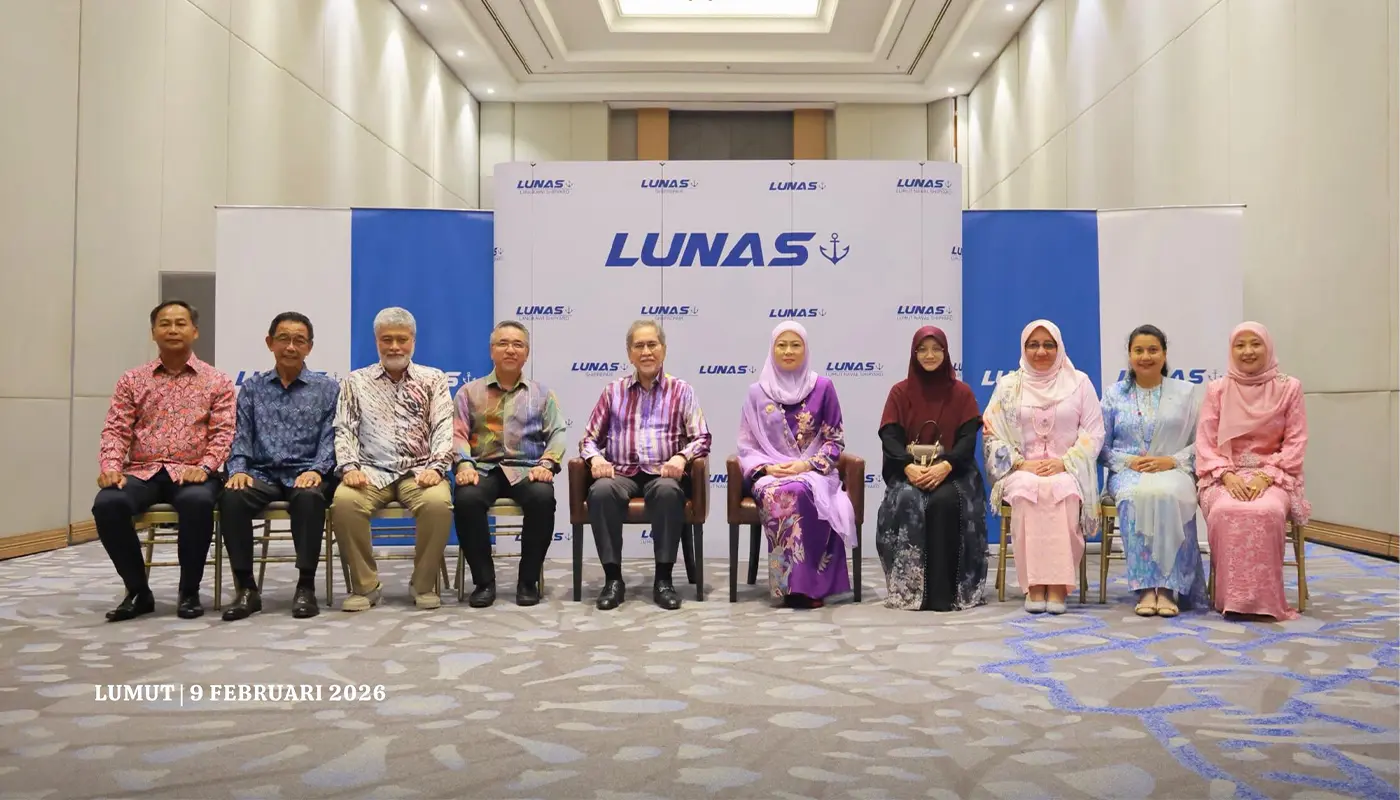
The event included an appreciation dinner hosted by Lumut Naval Shipyard Sdn. Bhd. (LUNAS), recognising the contributions of all parties involved in the project.
Guests included Deputy Defence Minister Adly Zahari, Royal Malaysian Navy Commander Admiral Tan Sri Dr Zulhelmy Ithnain, and LUNAS Chief Executive Officer Ir Azhar Jumaat, alongside their spouses. The gathering also welcomed family members of the Sarawak Governor.
In his address, CEO Ir. Azhar Jumaat expressed gratitude for the governor’s attendance, noting that the Coastal Combat Ship programme represents more than shipbuilding.
He highlighted its role in advancing human capital, enhancing workforce skills, and embedding values of service and unity within the defence industry.
The Sarawak Governor congratulated LUNAS and the Royal Malaysian Navy for their dedication to the project. He emphasised that the programme would not only reinforce Malaysia’s maritime defence but also foster technology transfer, expertise development, and long-term growth of the local shipbuilding sector.
The Littoral Combat Ship initiative, also known as the Maharaja Lela-class frigate programme, has faced delays and cost challenges in recent years. However, progress has been made, with the lead vessel, KD Maharaja Lela, undergoing sea trials earlier this year.
The launch of Sharif Mashor signals renewed momentum in the project, which aims to deliver five advanced frigates to the Royal Malaysian Navy.
The naming of the third ship after Sharif Mashor carries historical significance. The warrior, who ruled Sarikei in the mid-1800s, is remembered for his resistance against colonial forces and his strategic acumen during conflicts of that era. His legacy of resilience and unity resonates with the objectives of Malaysia’s defence modernisation.
Tun Pehin Sri Wan Junaidi expressed hope that continued collaboration between government, industry, and the armed forces would ensure national security while supporting the well-being of citizens. He stressed that such projects embody the spirit of togetherness and shared responsibility in safeguarding the nation.
The launch of Sharif Mashor reflects Malaysia’s determination to strengthen its naval capabilities and uphold its shipbuilding industry, while honouring Sarawak’s historical figures who symbolise courage and unity.
