



KUCHING – The Borneo Cultures Museum continues to shine as a major landmark celebrating Sarawak’s rich cultural heritage, bringing together the traditions and stories of more than 30 ethnic groups under one modern roof.

Situated in the heart of Kuching, the five-storey museum was officially opened in 2022. Since then, it has earned recognition as the largest museum in Malaysia and one of the biggest in Southeast Asia.
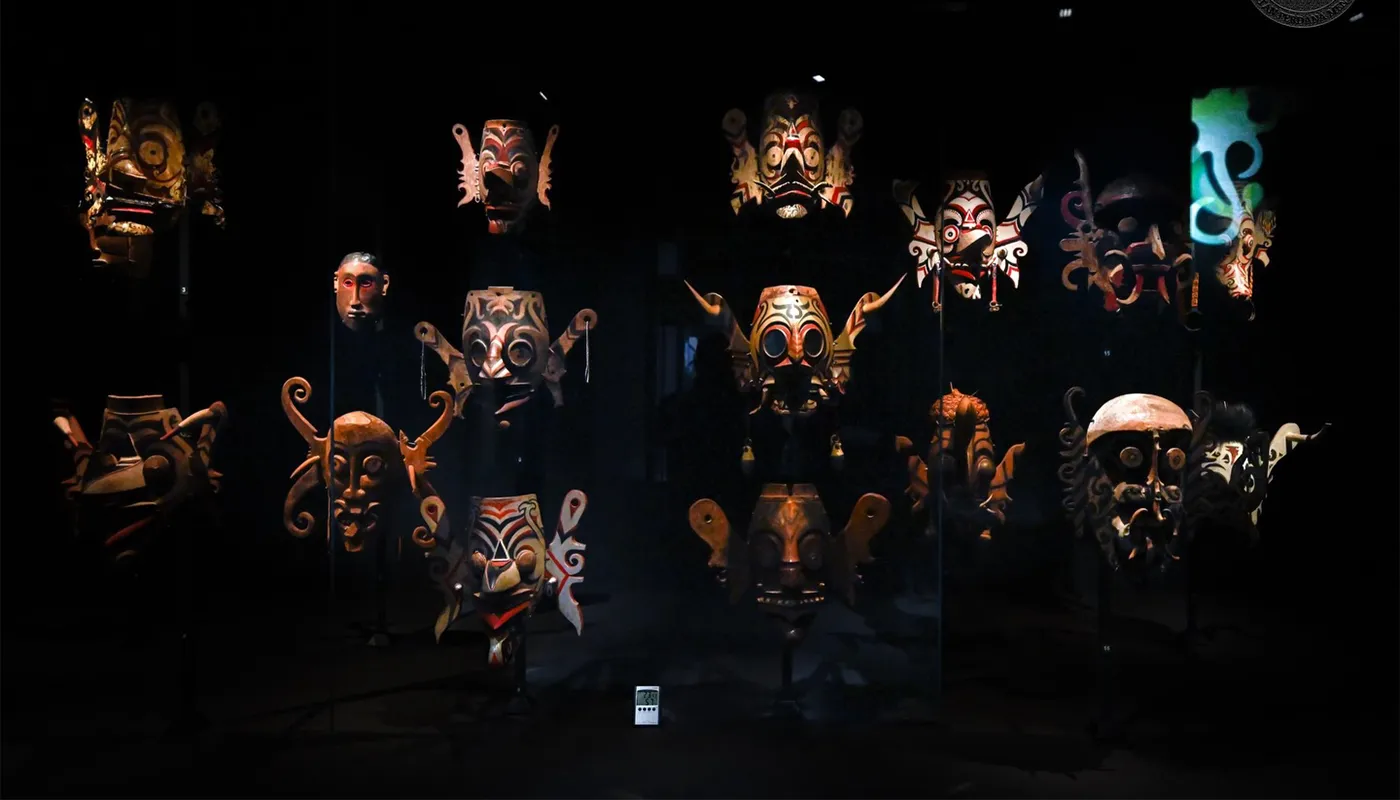
The museum houses more than 1,400 exhibits, including replicas of traditional longhouses, intricate textiles, and interactive displays that allow visitors of all ages to explore the cultural legacy of Borneo.
Each level of the museum carries a distinct theme, guiding visitors through different chapters of Borneo’s history and way of life.
The exhibitions feature archaeological discoveries, including early human remains, as well as displays that highlight the traditions and daily lives of communities such as the Iban, Bidayuh, Malay, Chinese, and Melanau.
Through these exhibits, visitors can gain a deeper appreciation of the art, rituals, and customs that have been passed down through generations.
Beyond being a place to showcase artefacts, the museum also functions as a centre for education and research.
It regularly hosts workshops, seminars, guided tours, and community programmes designed to deepen understanding of Sarawak’s diverse cultural heritage.
These initiatives help preserve cultural traditions while also promoting tourism by introducing the unique identity of Borneo to both local and international audiences.
Visitors can expect an immersive experience that blends history with modern presentation techniques. Interactive displays and multimedia installations make the exhibits engaging and accessible, turning the museum into a lively space for learning and discovery.
Today, the Borneo Cultures Museum stands as one of Sarawak’s key attractions, reflecting the state’s commitment to celebrating its multicultural identity.
By highlighting the heritage of more than 30 ethnic groups, the museum helps nurture cultural pride while ensuring that future generations remain connected to their roots.
