



KUCHING – The Malaysian government has intensified efforts to safeguard the nation’s energy and water supply, aiming to ensure stability despite global challenges and the prolonged hot weather affecting several regions.

Deputy Prime Minister Datuk Seri Fadillah Yusof stated that the Ministry of Energy Transition and Water Transformation (PETRA) is implementing comprehensive strategies to secure resources.
These include both short-term interventions and long-term reforms designed to strengthen resilience against external shocks.
One of the key measures involves Petroliam Nasional Berhad (PETRONAS), which has prepared contingency plans to maintain oil and gas supply.
The company is diversifying its sources by monitoring supply chains across Australia and the Asia Pacific, reducing reliance on vulnerable routes such as the Strait of Hormuz. This approach is intended to shield Malaysia from disruptions caused by geopolitical tensions in West Asia.
The government is also promoting energy efficiency. Offices have been advised to set air conditioning temperatures at 24 degrees Celsius, while non-critical sectors are encouraged to adopt work-from-home arrangements. These steps aim to reduce electricity demand during peak periods.
Despite rising global oil prices, the government remains committed to sustaining the RON95 petrol subsidy, which costs approximately RM2 billion monthly. This subsidy is seen as vital in easing the financial burden on households.
Fadillah further announced that enforcement against diesel smuggling will be strengthened. The significant price gap between Malaysia and neighbouring countries has made smuggling a persistent issue, undermining supply integrity. Enhanced monitoring and cooperation with oil companies are expected to curb these activities.
In parallel, PETRA has launched a five-year roadmap (2026–2030) to accelerate Malaysia’s energy transition and water transformation.
The plan outlines six strategic thrusts, 34 strategies, and 133 measurable targets, reflecting the government’s ambition to modernise infrastructure and expand renewable energy adoption.
Water supply stability has also become a priority, particularly after a level two heat warning was issued in northern Peninsular Malaysia.
PETRA is working closely with state water service providers to monitor reservoir levels and deliver alternative supplies via tanks and lorries to affected communities.
Public awareness campaigns are being rolled out to encourage responsible water usage, especially during the dry season.
The government’s broader commitment includes billions allocated under Budget 2026 for flood mitigation, water infrastructure, and renewable energy projects.
Sabah and Sarawak are among the states receiving record levels of funding to strengthen resilience against climate and supply challenges.
Fadillah emphasised that collaboration between government agencies, industry players, and the public is essential.
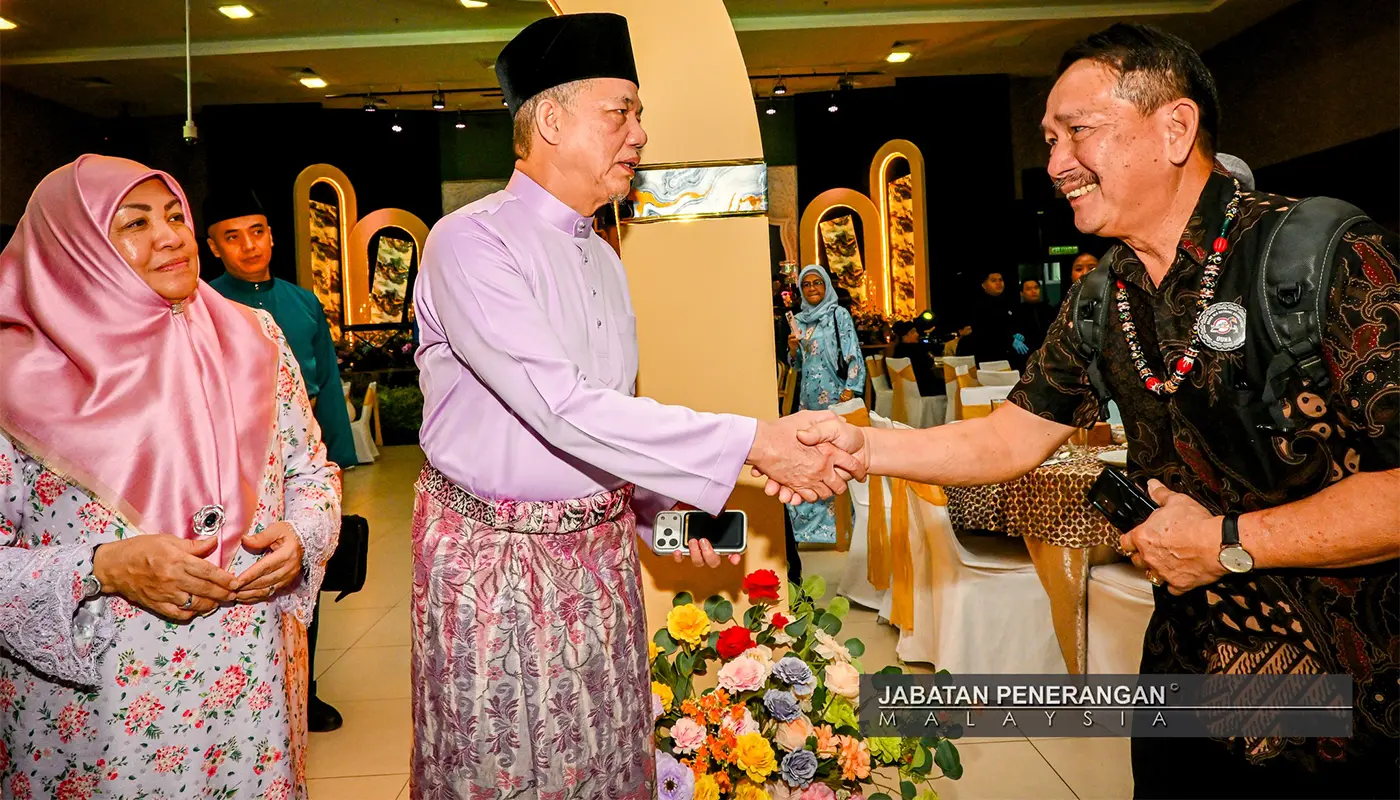
“Close cooperation between the government, oil companies and industry players is very important to ensure that the integrity of the country’s energy supply continues to be maintained,” he said during a gathering at the CIDB Convention Centre.
With these measures, Malaysia aims to secure reliable energy and water supplies while advancing towards a sustainable future.
