



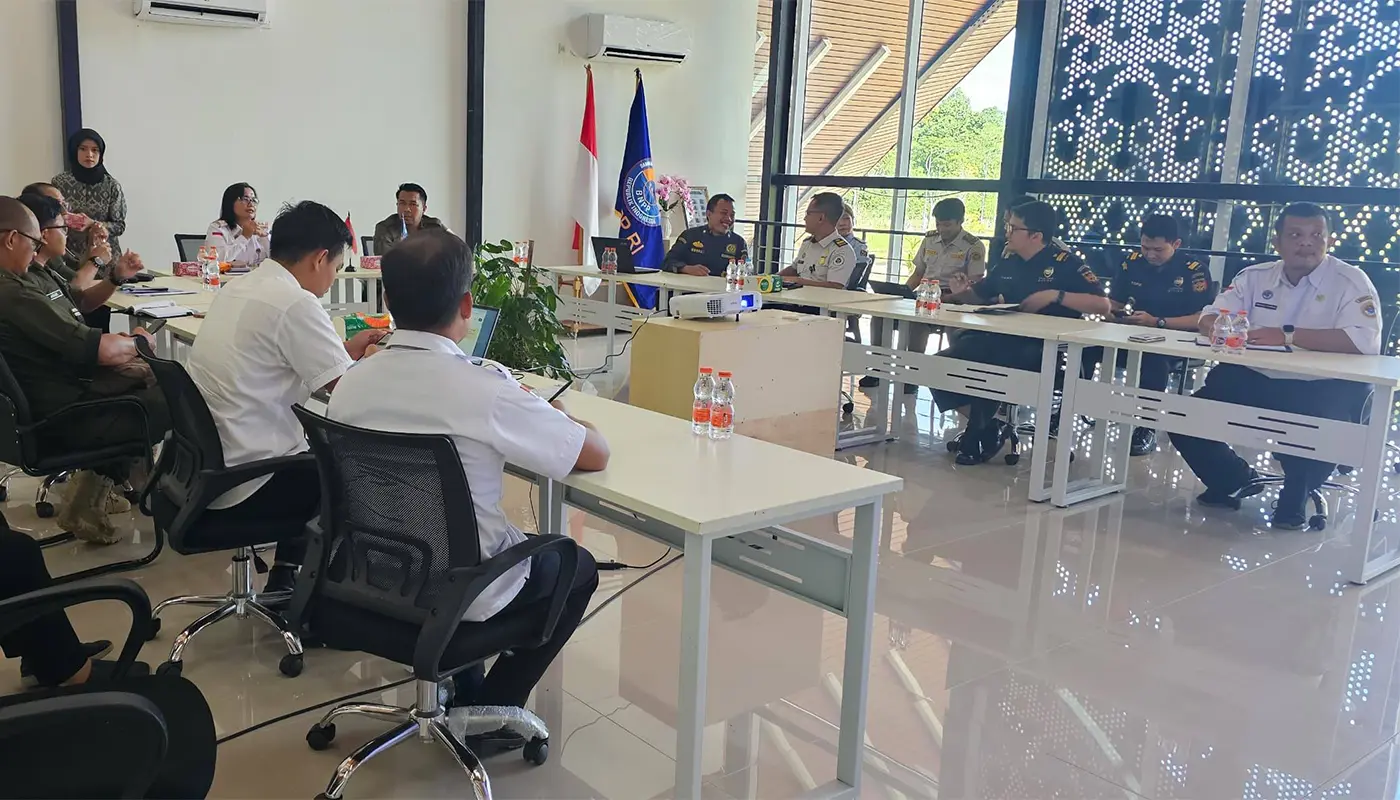
JAGOI BABANG – Malaysia and Indonesia have reaffirmed their commitment to strengthening cooperation in wildlife conservation and cross-border trade during a strategic meeting held on 29 April 2026 at the Jagoi Babang National Border Post (PLBN).

The meeting, organised by Indonesia’s National Border Management Agency, brought together enforcement and technical agencies from both countries.
Among the Indonesian representatives were officials from Jagoi Babang Customs and Excise, Immigration, the West Kalimantan Animal, Fish and Plant Quarantine Station (BKHIT), Entikong Health Quarantine Station (Wilker Jagoi Babang), and Pamtas Yonarhanud 1 Kostrad.
From Malaysia, the Sarawak Forestry Corporation (SFC) participated as the key representative.
Discussions centred on enhancing bilateral collaboration in managing wildlife and natural resources along border areas.
Key issues addressed included the protection of species safeguarded under both nations’ laws, clarification of export and import regulations, and the strengthening of enforcement cooperation.
Public awareness initiatives to combat smuggling activities were also highlighted as a priority.
One of the focal points was the exchange of information on protected wildlife and plants, ensuring that both countries maintain consistent standards in conservation.
Officials also reviewed compliance requirements for cross-border trade involving wildlife and wild plants, aiming to streamline processes while upholding environmental safeguards.
The Sarawak Forestry Corporation used the platform to spotlight its ongoing “1000 Site Visit to Save Wildlife” campaign, which seeks to raise awareness among communities and industries about the importance of biodiversity protection.
The initiative underscores SFC’s commitment to sustainable forest resource management and its role in regional conservation networks.
The meeting reflects a broader effort to strengthen enforcement collaboration between Malaysia and Indonesia, particularly in tackling illegal trade and safeguarding biodiversity.
By combining resources and expertise, both countries aim to ensure that conservation measures are implemented effectively and sustainably.
Officials expressed optimism that the strengthened cooperation will not only protect wildlife but also support regulated cross-border trade, contributing to economic growth while preserving ecological balance.
The partnership highlights the importance of regional collaboration in addressing environmental challenges that transcend national boundaries.
