



KUALA LUMPUR – The Malaysian Islamic Welfare Organisation (PERKIM) has announced three strategic resolutions to strengthen Malaysia’s waqf ecosystem, aiming to make it more modern, sustainable and impactful. The resolutions were unveiled during the closing ceremony of the 2026 International Waqf Dakwah Convention, held at the Kuala Lumpur Convention Centre (KLCC).

The convention brought together government leaders, religious scholars, academics, corporate representatives and international participants. It served as a platform for sharing ideas and expertise, with the goal of complementing the roles of government, religious institutions, the corporate sector and society in advancing waqf development for the benefit of the ummah and the nation.
Delegates reached a consensus that waqf institutions must adopt a bold and strategic approach to remain relevant in addressing contemporary challenges. The discussions highlighted the need for reforms in governance, digitalisation and collaboration to ensure waqf continues to play a vital role in Malaysia’s socio-economic progress.
PERKIM outlined three resolutions to guide this transformation. The first resolution proposes the establishment of a Working Consultancy Group to review and improve the management structure of waqf institutions. This group would provide structured oversight and recommendations to strengthen waqf governance and ensure its practices align with modern needs.
The second resolution calls for the full utilisation of technology. PERKIM emphasised the importance of digital platforms that can connect funds, expertise, innovation and collaborative networks. Such platforms would expand the reach of dakwah initiatives across national borders, making waqf more transparent, accessible and impactful.
The third resolution focuses on strengthening the entire waqf ecosystem. This includes governance reforms, digitalisation, human capital development, sharia-compliant investments, innovation and strategic collaboration between government agencies, religious institutions, the corporate sector, academia and the wider community. By integrating these elements, PERKIM aims to create a resilient ecosystem capable of delivering long-term benefits.
Speaking at the closing ceremony, PERKIM representatives stressed that these resolutions are designed to complement the government’s efforts in modernising waqf institutions. They highlighted that the success of waqf depends on collective responsibility, with all stakeholders playing a role in ensuring its sustainability and relevance.
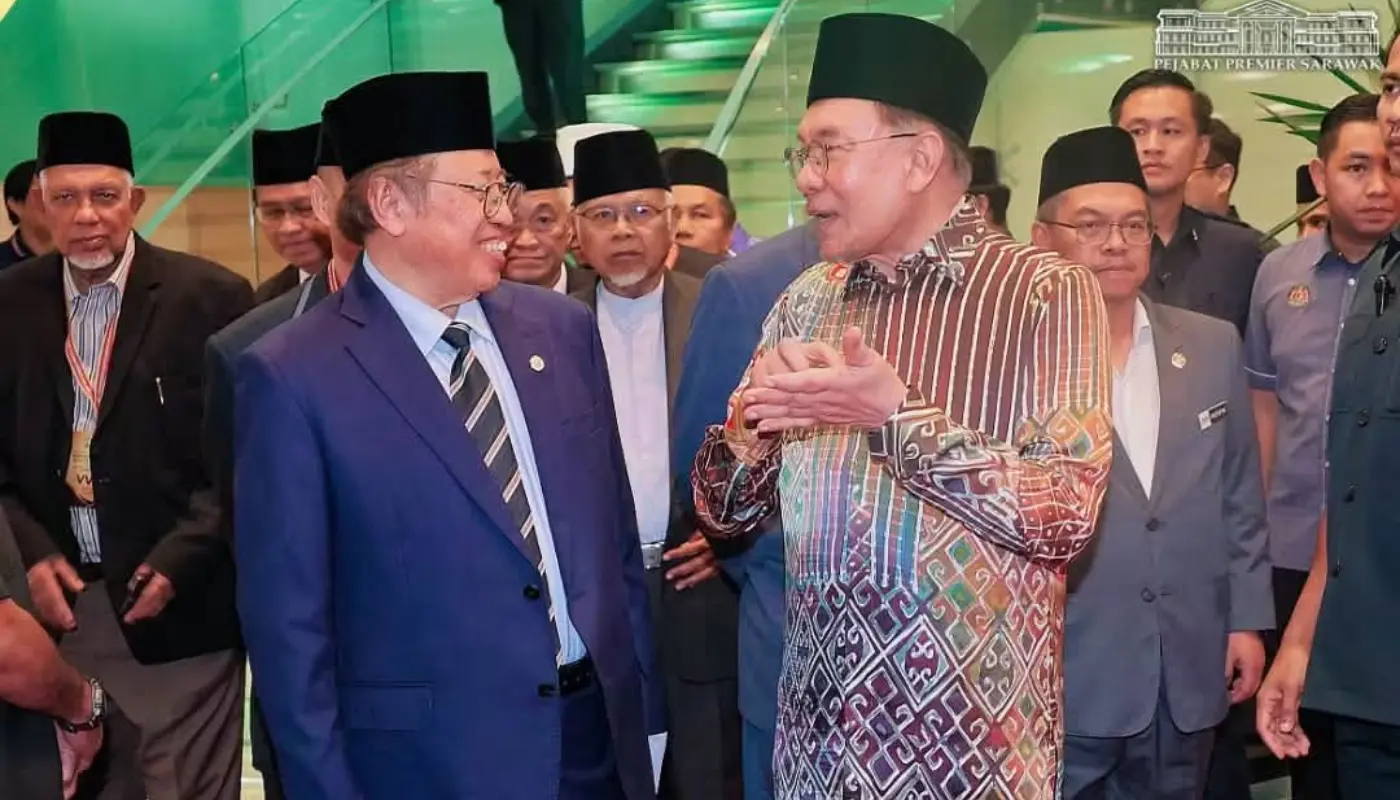
Prime Minister Dato’ Seri Anwar Ibrahim attended the ceremony, underscoring the government’s support for waqf development as part of Malaysia’s broader socio-economic agenda. His presence reflected the importance placed on waqf as a tool for community empowerment and national progress.
The convention also showcased international perspectives, with participants sharing experiences from countries where waqf has been successfully integrated into modern financial and social systems. These insights provided valuable lessons for Malaysia as it seeks to strengthen its own waqf framework.
PERKIM’s resolutions mark a significant step towards positioning waqf as a dynamic instrument for development. By combining tradition with innovation, the organisation aims to ensure that waqf continues to serve as a cornerstone of Islamic welfare while contributing to Malaysia’s growth and prosperity.
The 2026 International Waqf Dakwah Convention concluded with a renewed commitment to collaboration, innovation and inclusivity. As Malaysia moves forward, the resolutions presented are expected to shape policies and practices that will define the future of waqf in the country.
