



KUCHING – The Sarawak Timber Industry Development Corporation (PUSAKA) has highlighted the potential of rubberwood as a resource for the downstream timber industry, with opportunities to increase its value and strengthen the wider timber supply chain.

The organisation raised the matter during its participation in the RISDA Sarawak Zonal Smallholder Convention 2026, held at the Voco Hotel Kuching on 9 August 2026.
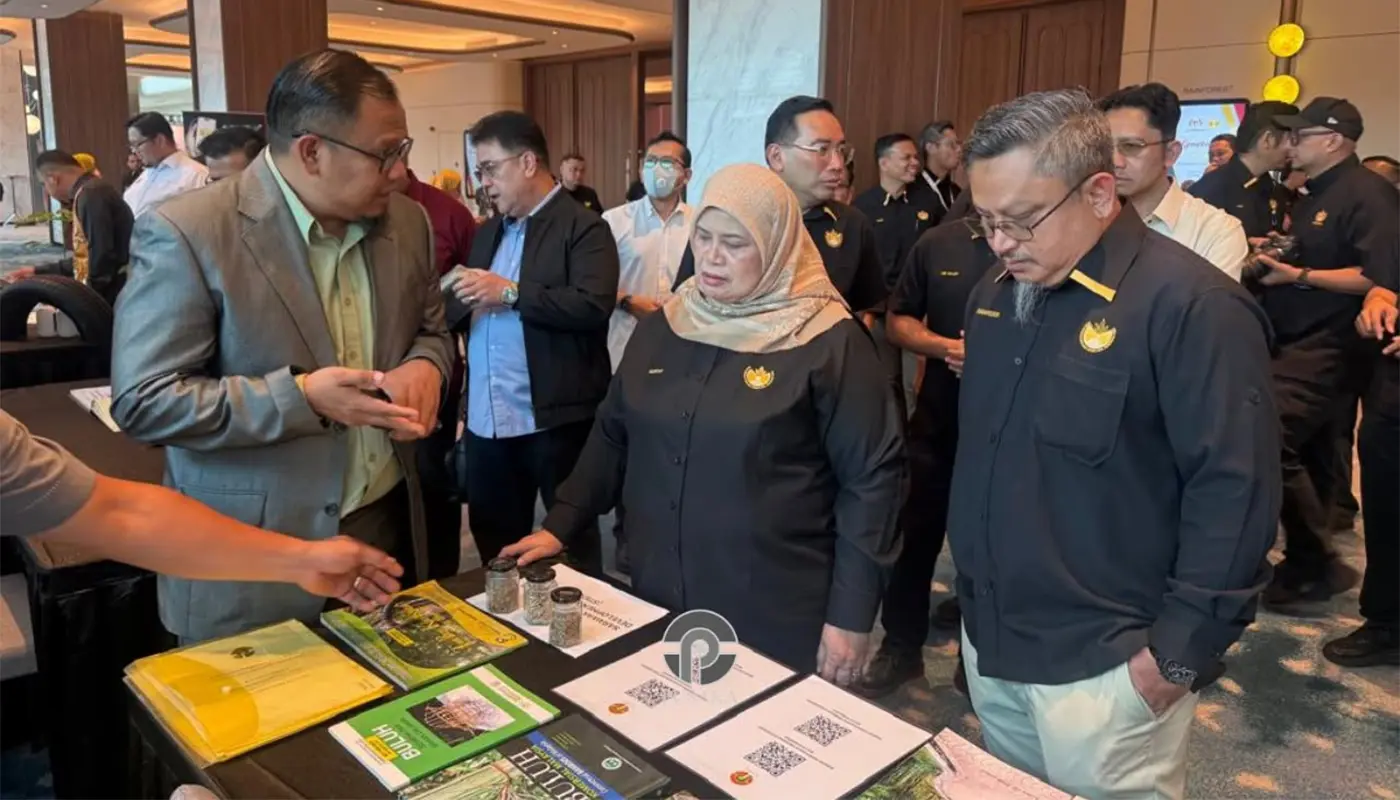
PUSAKA took part in an exhibition held as part of the convention, using the event to introduce its role and initiatives in developing a sustainable resource-based industry in Sarawak.
The participation also provided an opportunity for PUSAKA to engage with smallholders, government agencies and industry players.
According to PUSAKA, building stronger links between these groups is important in identifying opportunities for sustainable resource development and supporting economic activity within the state.
One of the key areas highlighted during the event was the potential use of rubberwood in the downstream timber industry.
A briefing on the subject was delivered by Nur Edora Abdullah, PUSAKA’s Assistant General Manager for Sustainable Resource Management.
The briefing examined rubberwood as a potential source of raw materials for the timber sector and discussed the opportunities available to increase the value generated from the resource.
Rubberwood has the potential to contribute to downstream activities by providing raw material that can be processed and developed into higher-value timber products.
The focus on downstream development also reflects the wider importance of creating greater value from available resources rather than limiting their use to basic or lower-value applications.
For the timber industry, access to suitable raw materials is an important part of maintaining a reliable supply chain.
The development of additional sources of timber resources could therefore provide opportunities for businesses and other industry participants involved in processing and downstream activities.
PUSAKA’s participation at the convention also allowed the organisation to explain its work to smallholders who form an important part of the agricultural and resource-based economy.
The exhibition served as a platform for discussions on sustainable resource management and possible areas of cooperation.
It also provided an avenue for PUSAKA to strengthen its engagement with government agencies and companies involved in the relevant industries.
Collaboration between smallholders, government bodies and industry players can help identify practical opportunities for resource development while ensuring that sustainability remains part of the process.
The rubberwood discussion was particularly relevant in the context of developing stronger links between smallholder activities and downstream industries.
By examining the potential of rubberwood as an industrial raw material, PUSAKA is seeking to explore ways in which the resource can contribute to broader economic activity.
The briefing also highlighted the possibility of increasing added value within the timber industry chain.
Added-value activities can involve the processing and development of raw materials into products with greater economic value.
Such opportunities may help strengthen the connections between resource production and downstream industries, although their development depends on suitable resources, industry participation and sustainable management.
PUSAKA said its involvement in the convention reflects its continued efforts to explore the potential of sustainable resources in Sarawak.
The organisation also emphasised the importance of collaboration in supporting initiatives that can benefit the state’s communities and economy.
The convention provided a setting for these discussions by bringing together stakeholders connected to Sarawak’s smallholder sector.
PUSAKA’s exhibition and briefing therefore focused not only on promoting its initiatives but also on creating greater awareness of possible opportunities within the resource-based economy.
The organisation’s involvement also reflects an approach that seeks to connect sustainable resource management with downstream industrial development.
Rubberwood was among the areas highlighted as having potential to support this approach.
The discussions surrounding the resource point towards opportunities for further exploration of how rubberwood could contribute to the timber industry and its supply chain.
For Sarawak, developing sustainable sources of raw materials remains relevant to efforts to support resource-based economic activities.
PUSAKA said it would continue exploring sustainable resource potential while strengthening cooperation with relevant stakeholders.
Through initiatives such as its participation in the RISDA Sarawak Zonal Smallholder Convention 2026, the organisation aims to build stronger networks and identify opportunities that can create benefits for the Sarawak community and economy.
The focus on rubberwood also places attention on the potential for closer links between smallholders and downstream timber activities.
As discussions around sustainable resource use continue, PUSAKA’s initiative provides a platform to examine how available resources can be better utilised while supporting the development of the timber industry.
