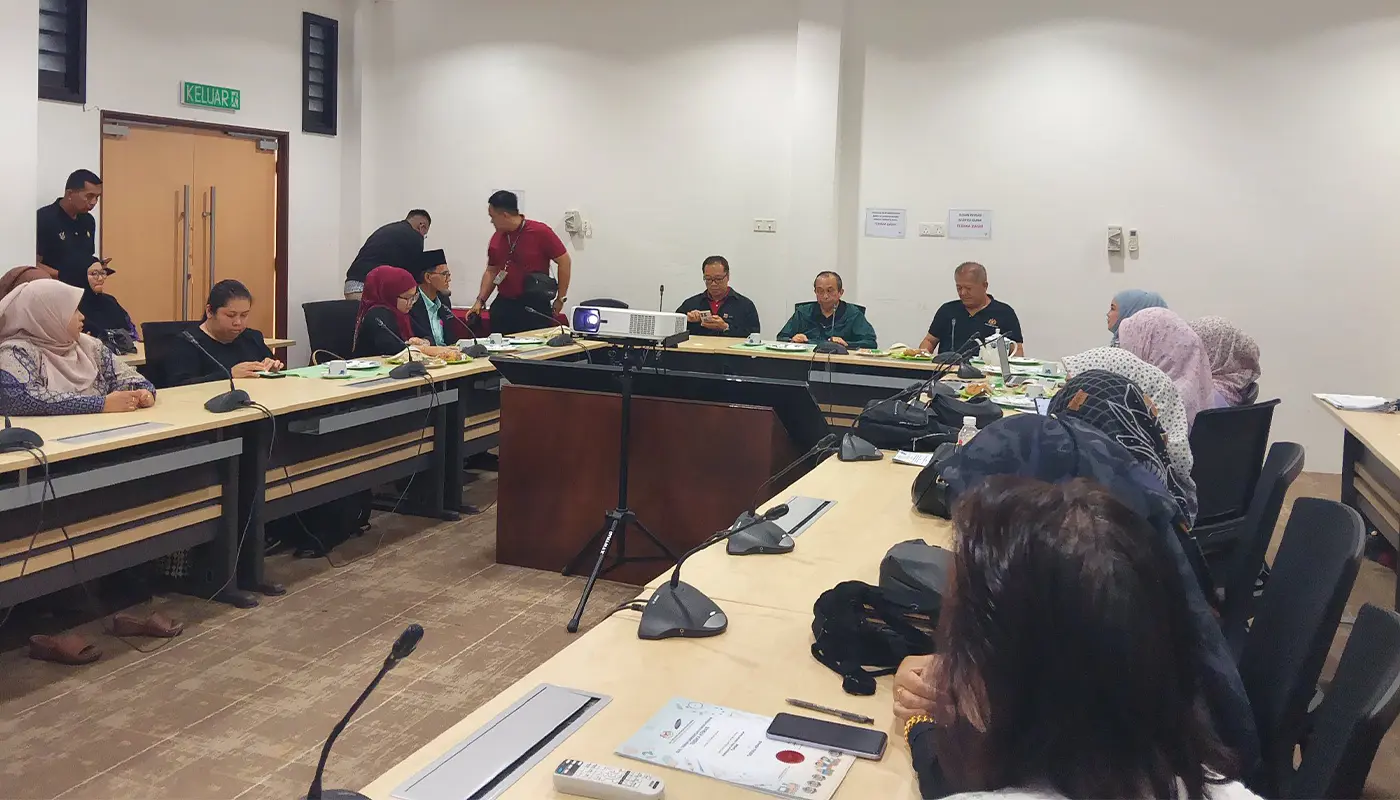
SPAOH – A significant investment in the foundational years of rural youth was formalised this morning as funding totalling RM135,000 was distributed among 45 KEMAS kindergartens and daycare centres across the Betong parliamentary constituency.
The financial injection is part of a broader government strategy to ensure that early childhood education services in Sarawak’s interior remain robust and accessible.
By providing these grants, officials aim to alleviate the operational costs associated with maintaining high-quality learning environments for the state’s youngest citizens.
During the official handover ceremony held at the Spaoh Subdistrict Office, Dato Dr Richard Rapu, the Member of Parliament for Betong, highlighted the critical nature of this funding.
He noted that the contribution is specifically earmarked to assist with the implementation of educational activities and to address the various logistical requirements of the individual centres.
The Community Development Department (KEMAS) operates as a vital bridge between the federal administration and the local populace.
Dato Dr Richard Rapu described the educators and staff at these centres as the “front line” of community engagement, noting that their daily interactions with families at the grassroots level are essential for effective governance and social development.
The Betong MP explained that for many children in rural districts, these KEMAS facilities, comprising both Tabika (kindergartens) and Taska (daycare centres), provide the only available structured learning before they transition into the formal primary school system.
“The role of these institutions is incredibly significant within the Betong constituency,” Dato Dr Richard Rapu stated during the community educators meeting.
He emphasised that the wide geographic coverage of KEMAS ensures that children in even the most remote areas can receive a strong academic foundation before entering Year One.
Beyond simple literacy and numeracy, these centres are designed to foster social skills and cognitive development.
In rural Sarawak, where schools can be far apart, the local KEMAS centre often serves as a hub for community life and a primary source of early intervention for developmental needs.
The distribution of these funds is seen as a move to strengthen the resilience of rural education providers. As inflation and logistical costs rise, these grants provide a necessary buffer for the 45 centres to continue their programmes without placing an undue financial burden on local parents.
Dato Dr Richard Rapu also took the opportunity to commend the dedication of the educators present. He acknowledged the unique challenges faced by those working in rural areas, where staff often take on roles beyond traditional teaching to support the welfare of their students and the wider community.
This allocation follows a series of recent educational initiatives in the Sarawak interior, reflecting a persistent focus on narrowing the urban-rural divide.
By prioritising the early years, the government hopes to improve long-term academic outcomes and workforce readiness for the next generation of Sarawakians.
The meeting at the Spaoh Subdistrict Office concluded with a briefing on the best practices for utilizing the new funds, ensuring that the RM135,000 is deployed effectively to benefit the maximum number of children across the Betong region.