KUCHING – The Inland Revenue Board (IRB) has advanced its tax digitisation agenda with the rollout of Phase 4 of the e-Invoice initiative, involving approximately 10,000 companies across Sarawak.
IRB Chief Executive Officer Datuk Dr Abu Tariq Jamaluddin explained that the latest phase forms part of the broader tax transformation programme aimed at enhancing transparency, efficiency and compliance among businesses.
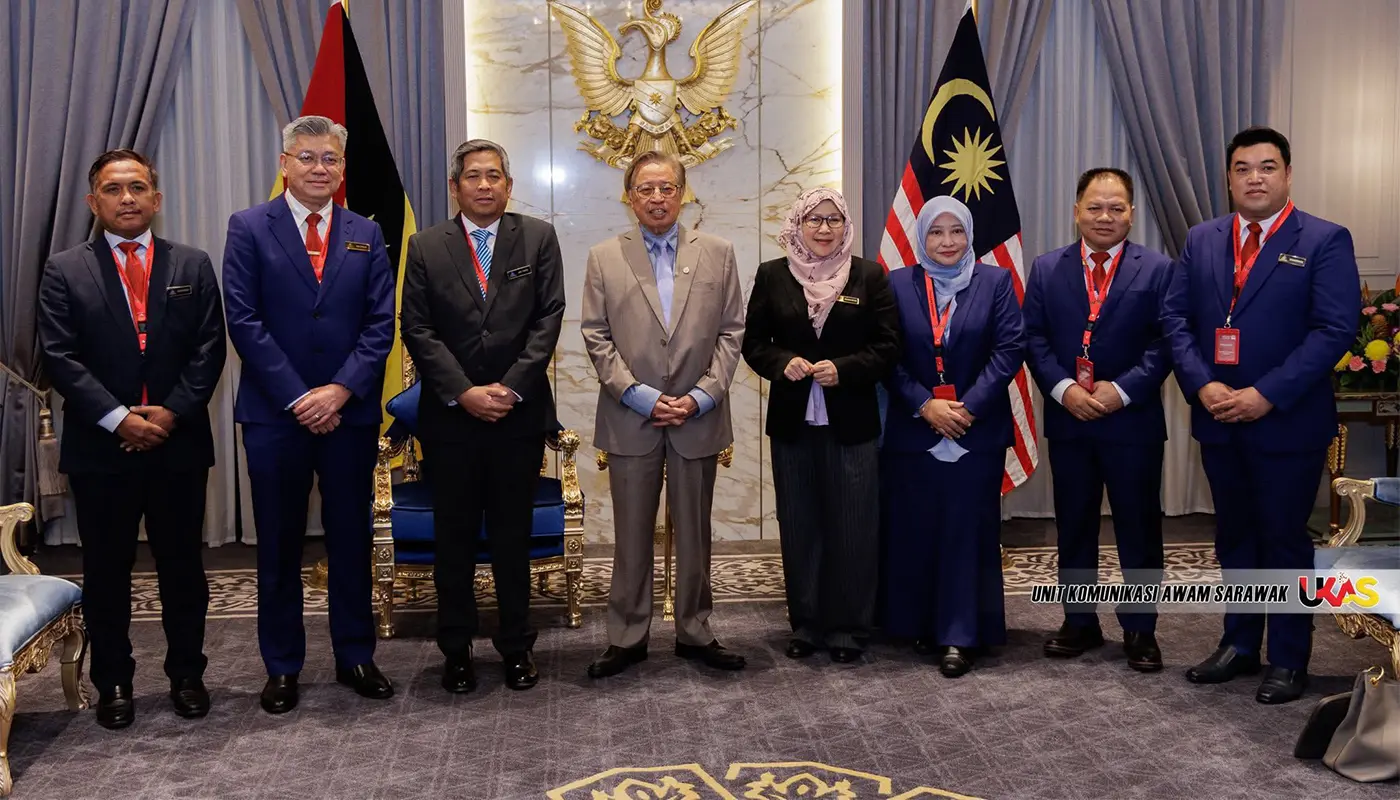
“About 10,000 companies in Sarawak that are in Phase 4 will participate in the e-Invoice initiative,” he said during a media conference following a courtesy call on Sarawak Premier Datuk Patinggi Tan Sri (Dr) Abang Abdul Rahman Zohari Tun Datuk Abang Openg at the Satria Pertiwi Complex on Tuesday.
Nationally, nearly 200,000 companies have already adopted e-invoices, with the number of digital documents processed surpassing one billion.
The initiative is seen as a milestone in Malaysia’s efforts to modernise its tax system and reduce reliance on traditional paper-based processes.
In addition to e-invoices, the IRB is encouraging companies to join the Tax Corporate Governance programme, which fosters strategic collaboration between the agency and the corporate sector to ensure high standards of tax reporting.
Addressing concerns about accessibility in rural areas, Datuk Dr Abu Tariq highlighted that IRB has established a network of offices and satellite centres across Sarawak to assist taxpayers.
“If there are problems with delivery, offices across Sarawak are ready to help, considering the e-Filing system that has been in place for a long time and the level of compliance is also high. Those who still face problems can come to offices or satellite offices across the state,” he said.
During his visit, Datuk Dr Abu Tariq also briefed the Premier on the current leadership of IRB Sarawak, which is headed by Abang Ehsan Abang Abu Bakar, Director of HASiL Sarawak.
Also present at the meeting was IRB Deputy Chief Executive Officer (Managing), Datuk Ahmad Khairudin Abdullah.
The expansion of e-Invoice Phase 4 in Sarawak is expected to streamline tax processes for thousands of companies while reinforcing the government’s push towards digital transformation.
By integrating technology into tax administration, the initiative aims to reduce errors, improve compliance and strengthen Malaysia’s fiscal governance.