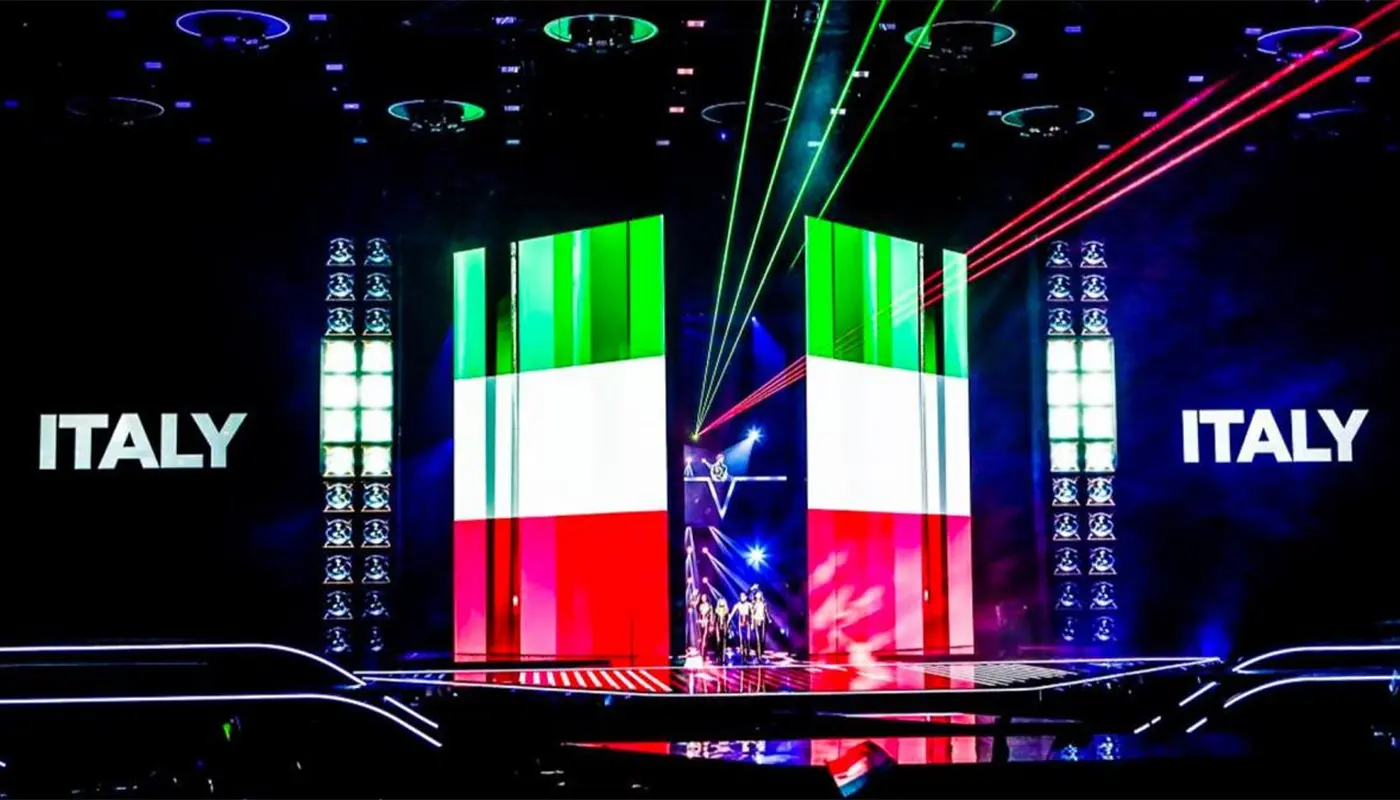
An Italian trade union representing staff at the national broadcaster RAI has called for Italy to withdraw from the Eurovision Song Contest 2026, citing opposition to Israel’s confirmed participation amid the ongoing Gaza conflict.
The union, known as USB – RAI Coordination, launched a petition urging RAI to join other European countries that have already announced boycotts.
Spain, Ireland, Slovenia, the Netherlands, and Iceland have all confirmed they will not compete in the 70th edition of the contest, scheduled to take place in Vienna in May 2026.

In its statement, USB argued that Italy should “take an ethically and empathetically justifiable position” by refusing to broadcast or participate in the event. The union added that such a move would demonstrate moral leadership on the international stage.
The controversy stems from the European Broadcasting Union’s (EBU) decision earlier this month to allow Israel to compete despite calls for exclusion due to its military actions in Gaza.
The ruling has triggered what observers describe as the most serious diplomatic crisis in Eurovision’s history, overshadowing preparations for the contest’s 70th anniversary.
Eurovision organisers have attempted to reassure fans, with contest director Martin Green issuing a personal pledge to maintain unity and uphold the competition’s values.
“I know that many of you will be feeling strong emotions at this time. I certainly am,” he wrote in a letter to fans, acknowledging the divisions caused by the boycott.
Italy’s potential withdrawal would be significant, given its long-standing role in Eurovision and its recent success, including Måneskin’s 2021 victory.
RAI has yet to issue an official response to the union’s petition, but internal pressure is mounting as staff and board members debate the broadcaster’s position.
The boycott movement highlights broader tensions between cultural events and geopolitics. While Eurovision has traditionally promoted unity under the slogan “United by Music,” critics argue that allowing Israel to participate undermines this message.
Supporters of the boycott believe that refusing to compete sends a strong signal of solidarity with Palestinians.
As the deadline for final participation approaches, Italy’s decision could influence other nations still weighing their involvement.
With several countries already withdrawing, Eurovision 2026 risks becoming one of the most politically charged contests in its history.