



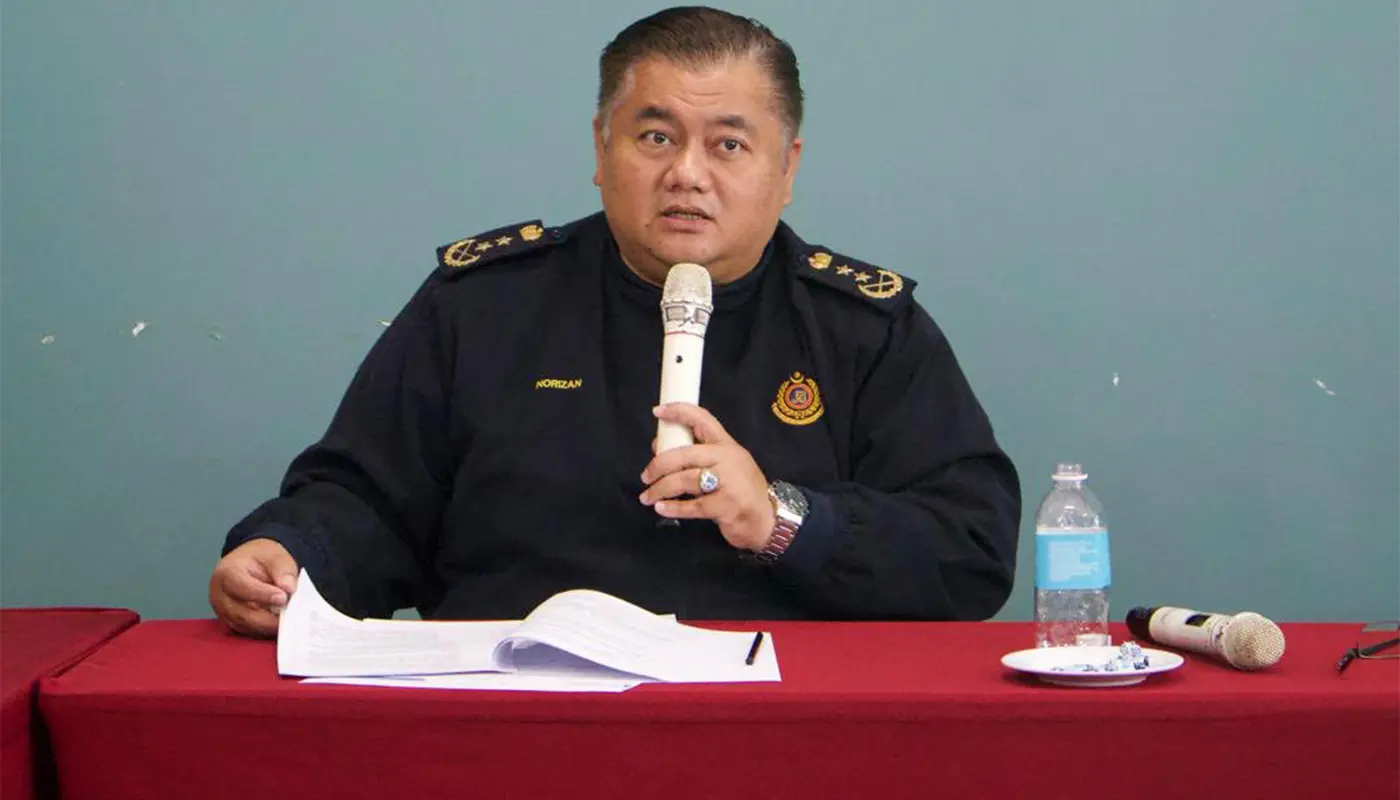
SIBU – The Road Transport Department (JPJ) Sarawak convened its first Joint Departmental Council Meeting (MBJ) of 2026 on Tuesday, 7 April, with discussions centred on organisational governance, employee welfare, and strengthening communication across the department.

The meeting, chaired by YBrs. Tuan Norizan bin Jili, Director of JPJ Sarawak, brought together heads of nearby branches and MBJ members in person, while divisional and branch leaders from outside Sibu joined virtually. This hybrid format ensured broad participation and allowed for a more inclusive exchange of ideas.
According to JPJ Sarawak, the MBJ serves as a vital platform for addressing current issues and emerging challenges that require management-level attention before being escalated to headquarters.
By combining perspectives from different branches, the council aims to ensure that decisions are well-informed and reflective of the department’s diverse operational realities.
The meeting also highlighted the importance of two-way communication between management and employees.
Officials noted that constructive dialogue helps ensure that staff feedback, suggestions, and concerns are considered holistically.
This approach is intended to support continuous improvement and foster a culture of openness within the department.
In his remarks, Tuan Norizan emphasised that the MBJ is not only about policy discussions but also about reinforcing professionalism and harmony among JPJ Sarawak employees.
He expressed hope that the outcomes of the meeting would contribute positively to governance standards, enhance staff welfare, and strengthen workplace relationships.
JPJ Sarawak has consistently used MBJ meetings as a mechanism to align departmental priorities with employee needs.
Past sessions have focused on operational efficiency, service delivery, and staff development. The latest meeting continues this trajectory, underscoring the department’s commitment to balancing organisational goals with employee well-being.
Observers note that such initiatives reflect broader efforts within Sarawak’s public service to modernise management practices and encourage collaborative problem-solving.
By adopting hybrid meeting formats and prioritising employee engagement, JPJ Sarawak is positioning itself as a responsive and forward-looking organisation.
The department expressed confidence that the resolutions and strategies discussed during MBJ No. 1/2026 will help strengthen its governance framework and ensure that employees remain motivated and supported in their roles.
