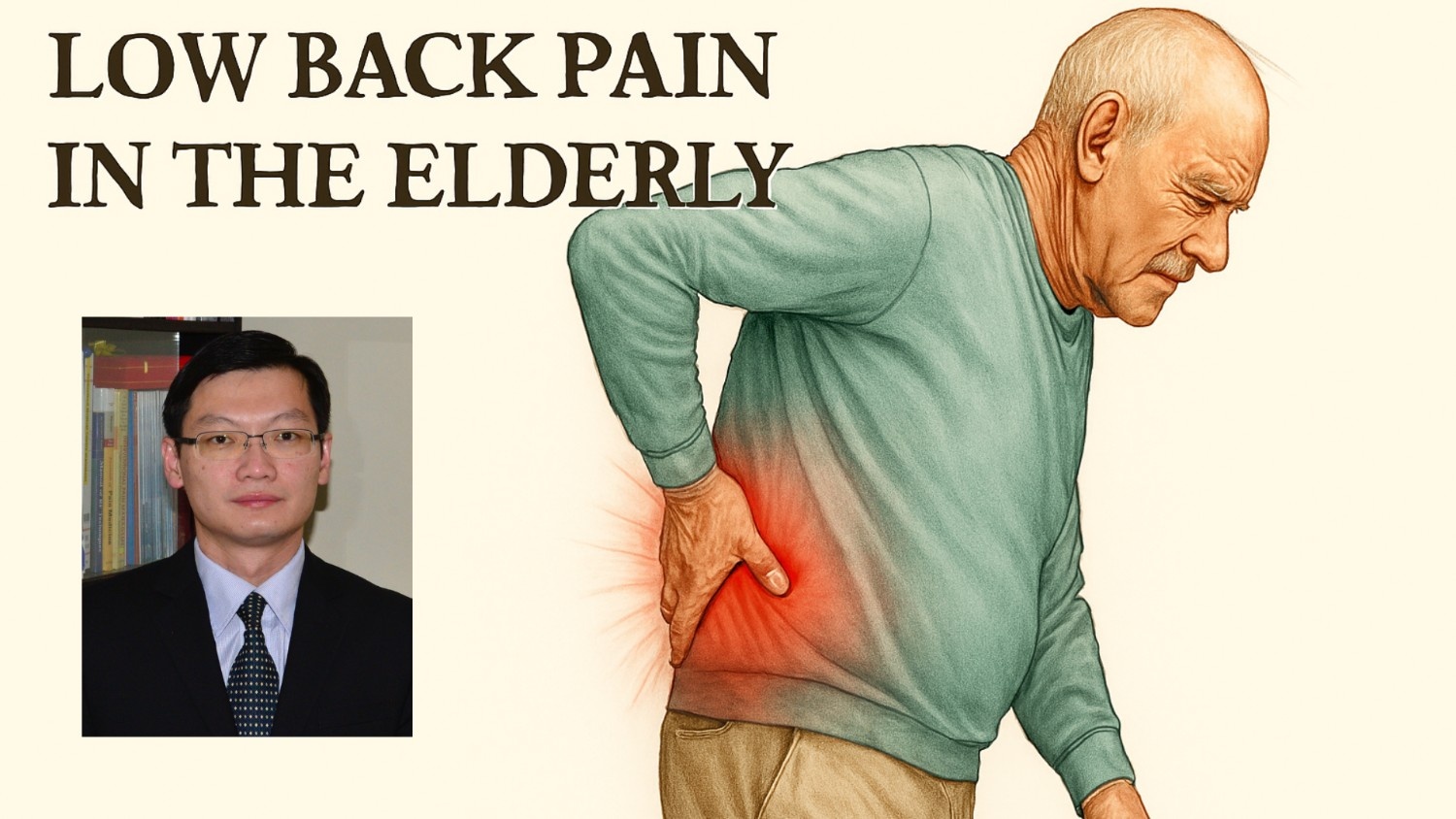
KUCHING — Low back pain has become one of the most common health complaints among elderly Malaysians, especially those aged 60 and above. While many tend to dismiss it as a natural part of ageing, medical experts reveal that most cases are the result of old, untreated injuries or the body’s gradual wear and tear over the years. As the body ages, the structures supporting the lower back—bones, joints, muscles and spinal discs—undergo continuous degeneration. This natural process weakens the spine and may lead to stiffness, inflammation and persistent pain that can extend to the legs, making daily movement difficult.
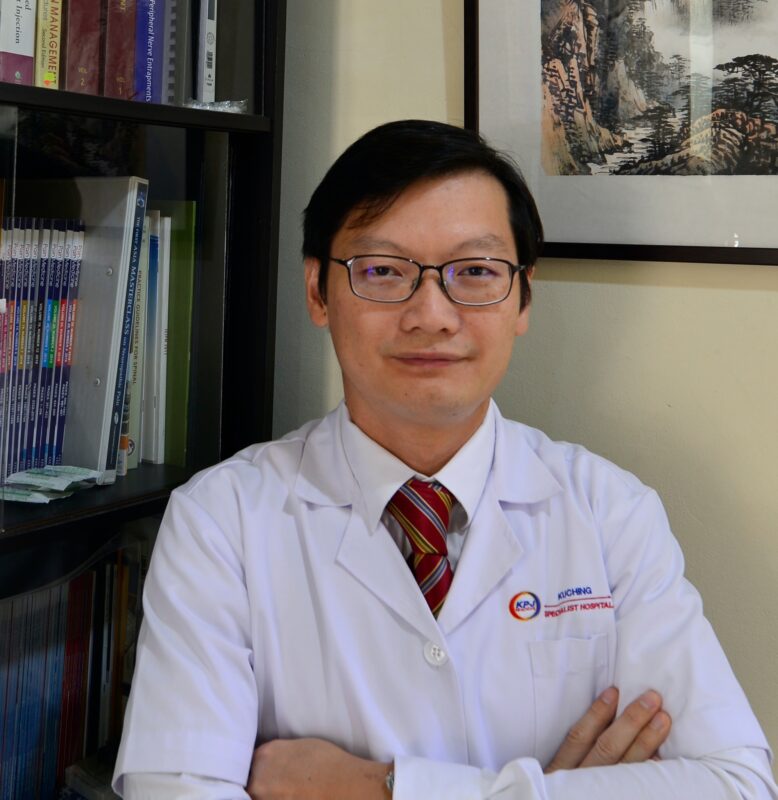
Dr. Chen Chee Kean explain that the spinal discs, which act as cushions between the bones of the spine, lose water content and elasticity with age. When this happens, the discs may bulge backward and press against nearby nerves, causing sharp or burning pain that travels down the legs. This condition is often mistaken for nerve disorders. The facet joints, which allow the lower back to bend and twist, also experience wear and tear. As the smooth cartilage in these joints erodes, friction between bones increases, resulting in inflammation and pain, especially when standing up from a seated position or bending backward.
In many elderly individuals, the muscles supporting the lower back weaken over time due to poor posture, lack of exercise, or small falls. This muscle strain can contribute to chronic discomfort. Some elderly patients experience bone-related pain caused by osteoporosis or tiny fractures in the spine, both of which are more common among older adults, particularly women.

Dr Chen says managing low back pain in elderly patients is more challenging than in younger ones. While young people usually develop back pain from sudden injuries or overexertion, the elderly suffer primarily from degeneration—a slow process that cannot be completely reversed. Treatment is further complicated because many elderly patients also suffer from chronic diseases such as heart problems, diabetes, kidney disease or a history of stroke. Some take long-term medications like blood thinners, which can increase treatment risks.
Older patients also have slower healing rates compared to younger individuals. As the body’s natural repair system weakens with age, recovery from injury or pain management treatments often takes longer and may not provide permanent relief.

Although painkillers and anti-inflammatory medicines can provide temporary comfort, doctors caution against prolonged use among the elderly. Continuous intake can lead to kidney failure, stomach ulcers, and even heart complications. Unfortunately, many elderly individuals are unaware of these risks, and the side effects often surface only when serious health problems occur.
For this reason, Dr Chen now recommend safer, minimally invasive treatments to manage pain without the need for long-term medication or major surgery. Procedures such as radiofrequency injections and balloon decompression can relieve pain by targeting affected nerves or reducing pressure within the spine. These techniques involve minimal surgical stress and are performed under local anesthesia, making them suitable for elderly patients with other health issues.
Surgical treatment is generally avoided unless absolutely necessary. This is because older patients are more vulnerable to surgical risks, including excessive bleeding, poor wound healing, and complications from anesthesia. Those on blood-thinning medications face even higher risks.
While ageing and degeneration cannot be stopped, the process can be slowed through healthy living and preventive habits. Dr Chen recommend taking calcium and vitamin D supplements to strengthen bones and reduce the risk of fractures. Consuming foods rich in antioxidants, such as berries and tomatoes, can help protect the spine’s cells from damage. Quitting smoking is also strongly advised, as smoking has been proven to speed up disc degeneration and worsen back pain.
Engaging in regular, low-impact exercise like brisk walking, static cycling, or swimming can greatly help maintain muscle strength, joint flexibility and blood circulation. These activities improve the overall vitality of elderly individuals and reduce the likelihood of worsening pain.
Dr. Chen Chee Kean stress that while low back pain in the elderly cannot be completely cured, it can be effectively managed. With the right combination of medical treatment, lifestyle changes and preventive measures, elderly people can continue to lead active and comfortable lives. Early consultation with healthcare professionals is important to avoid long-term complications and maintain independence in daily living.
With proper care, awareness and discipline, growing old does not have to mean living in constant pain. Instead, the elderly can enjoy their later years with greater mobility, comfort and peace of mind.