KUCHING – Malaysia’s MADANI Budget framework continues to emphasise a careful balance between economic transformation and fiscal discipline as the nation navigates global uncertainties, including inflationary pressures and slower international growth.
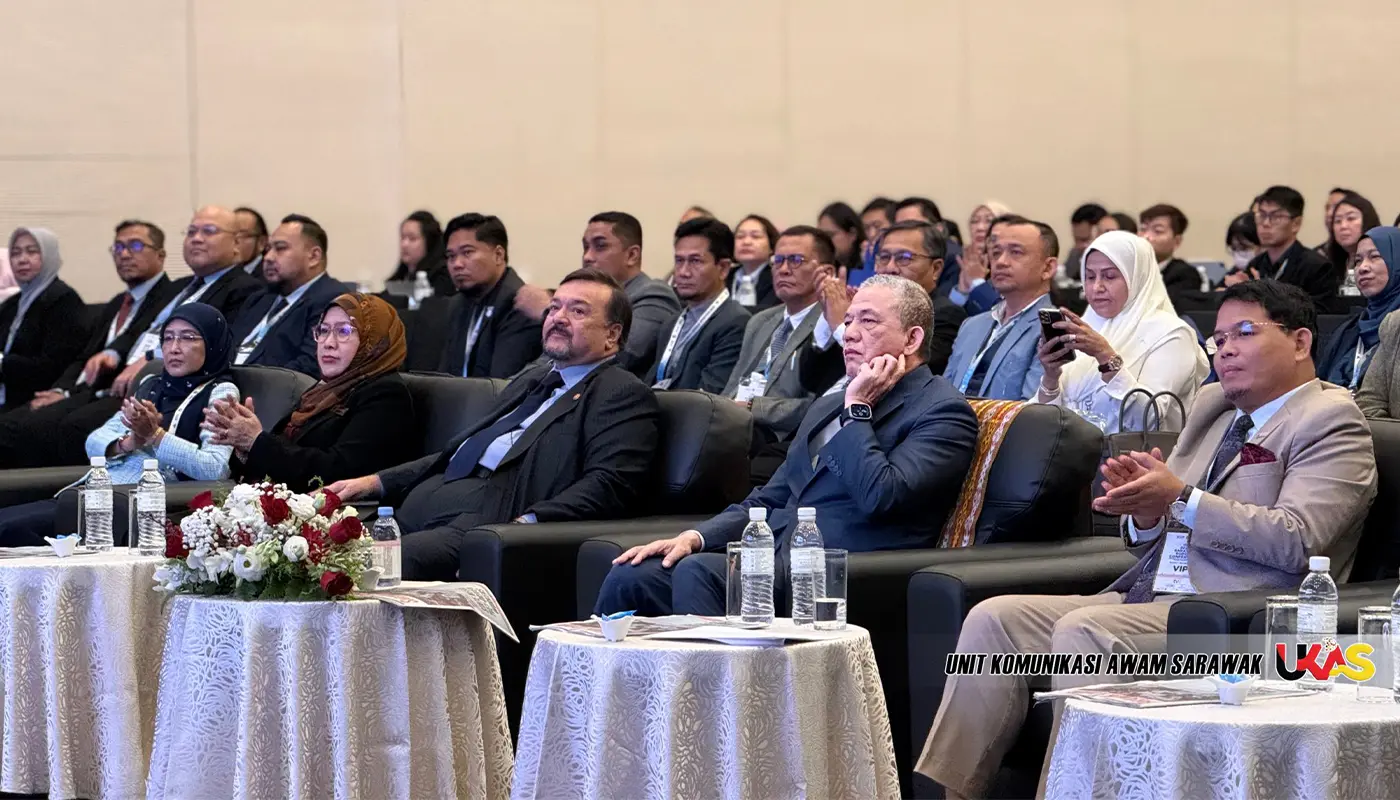
Minister of Finance II, Senator Datuk Seri Amir Hamzah Azizan, underscored this during a forum session at the 2026 Sarawak Budget Conference on Tuesday. The conference examined key growth drivers such as digitalisation, green economy initiatives, talent development, and investment readiness.
Datuk Seri Amir explained that Malaysia is entering a new phase of development, positioning itself as a vital link in global supply chains while reinforcing domestic resilience through sound governance and disciplined fiscal management.

He noted that the MADANI framework aims to raise economic complexity, expand national prosperity, and ensure growth benefits citizens through inclusive policies and effective fiscal controls.
“Despite global economic challenges, Malaysia recorded its highest approved investments last year at RM384.5 billion, and as of the end of September this year, approved investments have reached RM282.5 billion, placing the country on track to sustain strong investment performance,” he said.

He highlighted that the government is prioritising high-quality investments in strategic sectors such as semiconductors, which continue to strengthen Malaysia’s role in global supply chains despite ongoing headwinds.
Datuk Seri Amir also pointed to measures designed to ensure inclusive growth, including minimum wage increases, civil service salary adjustments, and living wage commitments by government-linked companies and investment firms. These initiatives aim to improve household purchasing power and reduce income disparity.
Malaysia’s economy grew by 5.2 per cent in the third quarter of 2025, driven by strong performance in construction and services, supported by rising private consumption.
Turning to Sarawak, he praised the state’s progress in green technology development, particularly hydrogen initiatives and gas-based industries. These efforts, he said, reflect the shift towards higher-value, high-wage economic activities under the MADANI framework.
He stressed that sustaining economic momentum requires a whole-of-nation approach, with close coordination between federal and state governments, agencies, and industry stakeholders to ensure effective policy delivery.
The forum highlighted Malaysia’s determination to balance fiscal discipline with economic transformation, ensuring resilience and inclusivity as the country adapts to global challenges.