



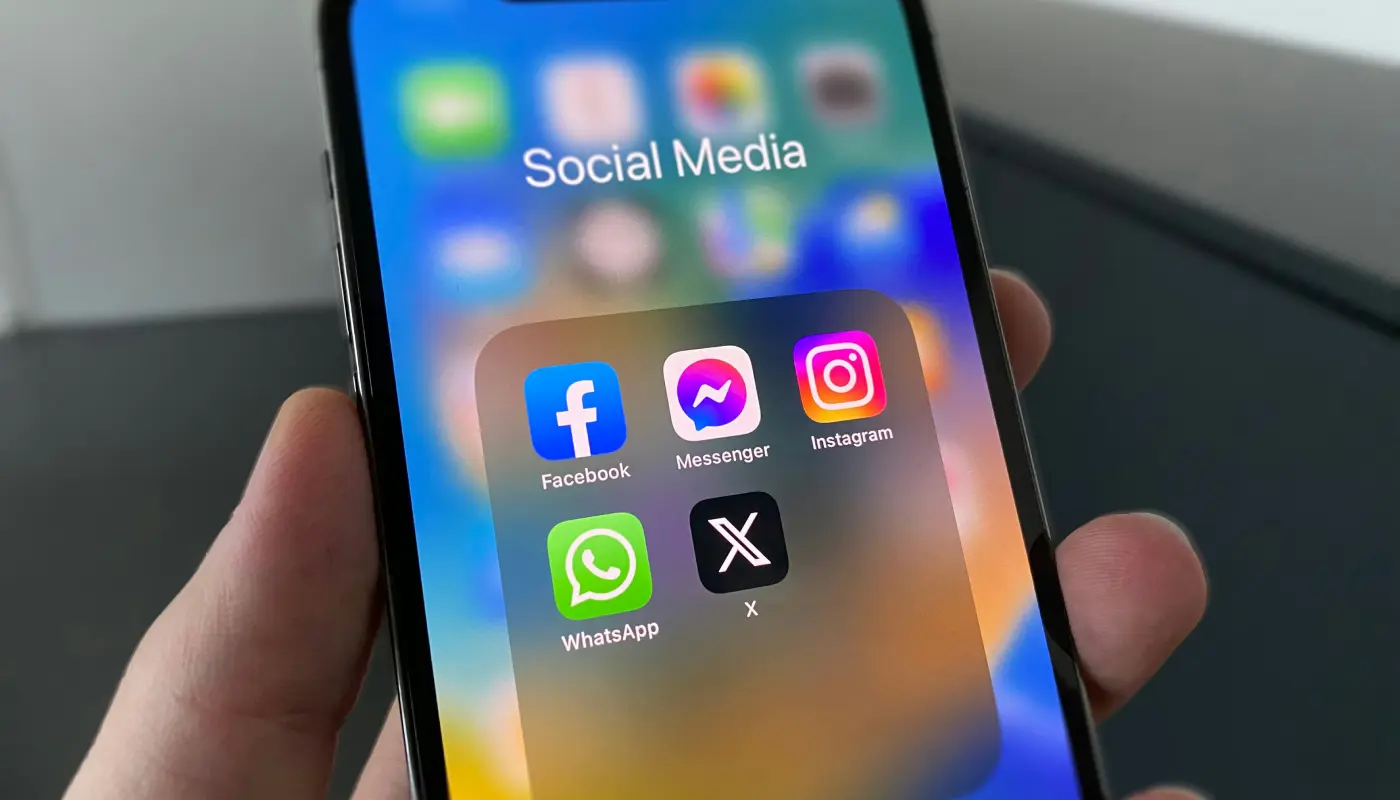
Millions of social media users across the globe faced significant disruptions on Friday, June 12, 2026, as Meta Platforms experienced a widespread server failure.

The technical malfunction rendered key services, including Facebook, Instagram, and Messenger, intermittently inaccessible for several hours during the morning and early afternoon.
The incident commenced shortly before 9:30 am Eastern Time, triggering an immediate surge in user complaints.
Data from outage monitoring service DownDetector indicated a sharp spike in reports, with over 100,000 users logging issues regarding Facebook alone by 10:00 am.
The peak of the disruption occurred around 9:39 am, affecting individuals in at least ten countries, including the United Kingdom, the United States, and various nations across Asia and Europe.
Users attempting to access the platforms encountered a variety of error messages. Common reports included being automatically logged out of their accounts, seeing blank feeds, or receiving notifications stating that the page was unavailable.
A specific “query error” was frequently cited by those trying to load content on the web versions of the sites.
The erratic nature of the outage meant that for some individuals, if Facebook was functional, Instagram would fail, and vice versa, pointing to instability within the shared backend infrastructure that supports all Meta applications.
The impact extended beyond casual social networking to affect commercial operations. Meta’s business status page acknowledged “high disruptions” within the Facebook Ads Manager.
Advertisers reported difficulties in creating, editing, or monitoring their campaigns, prompting warnings for businesses to pause active spending until stability was restored.
This highlighted the critical reliance of modern commerce on these digital platforms for daily marketing activities.
In response to the growing number of complaints, the technology giant moved to acknowledge the situation.
Andy Stone, a spokesperson for Meta, issued a brief statement via the platform X. He confirmed that the engineering teams were aware of the difficulties users were facing.
Stone stated, “We’re aware people are currently having trouble accessing our services. We’re working on it.”
This confirmation reassured users that the issue was not isolated to individual devices or internet connections but was a systemic problem being addressed by the company’s technical staff.
Technical analysis suggested the root cause was a server-side failure rather than a distributed denial-of-service attack or local network issues.
Consequently, standard troubleshooting steps such as restarting devices, clearing app caches, or resetting passwords proved ineffective for the majority of affected users.
Experts noted that such global outages typically require internal engineering intervention to resolve, often taking between one to three hours to fully restore service depending on the complexity of the configuration error.
As the afternoon progressed, reports indicated that access was gradually returning for some users, although intermittent issues persisted in certain regions. The event served as a stark reminder of the fragility of centralised digital infrastructure.
With billions of users relying on these applications for communication, news consumption, and business operations, even brief interruptions can cause significant disruption to daily life and economic activity worldwide.
