



Myanmar is at a decisive turning point, with the international community warning that the country must choose between continuing a cycle of impunity for military abuses or moving towards justice and accountability for widespread human rights violations.

At the United Nations General Assembly in October 2025, Nicholas Koumjian, head of the Independent Investigative Mechanism for Myanmar (IIMM), reported that the frequency and severity of international crimes have escalated.
His team has gathered evidence of torture, sexual violence, summary executions, and attacks on schools, hospitals, and places of worship. Koumjian confirmed that investigators have identified both perpetrators and their commanders.
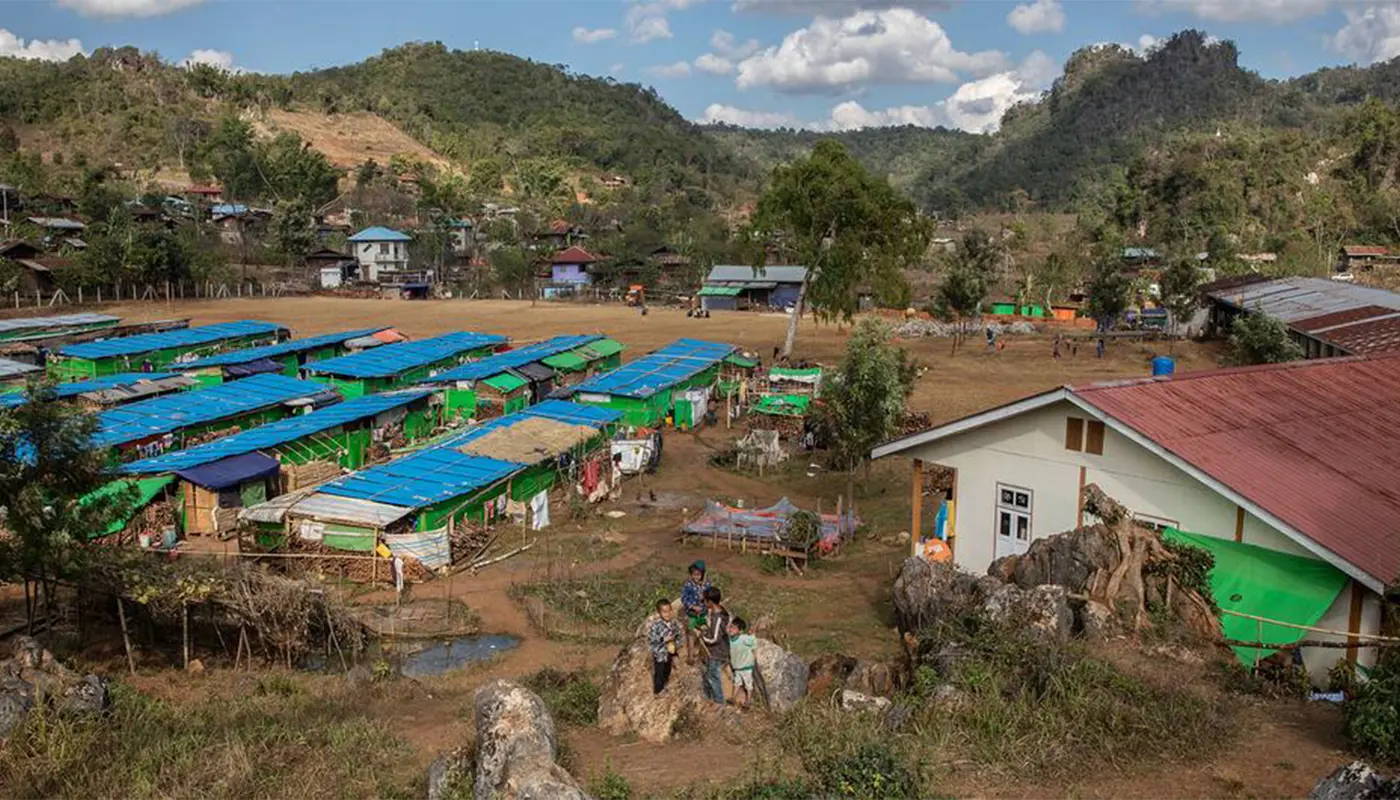
The military’s reliance on airstrikes, heavy weaponry, and landmines has left civilians of all ethnicities suffering the consequences. Millions remain displaced, with humanitarian needs growing more urgent by the day.
Civil society groups and human rights defenders have intensified calls for accountability mechanisms to end decades of impunity. At the UN Human Rights Council and other forums, activists urged governments to support justice initiatives, including referrals to international courts and stronger sanctions against perpetrators.
Meanwhile, the Association of Southeast Asian Nations (ASEAN) has struggled to respond effectively. Its Five-Point Consensus, adopted in 2021, has largely stalled. Critics argue that ASEAN’s adherence to non-interference has allowed the junta to consolidate power while continuing abuses.
Observers note that Myanmar is undergoing a process of revolutionary state-building, with resistance groups and ethnic organisations attempting to reimagine governance structures.
This presents a stark choice: either the international community supports these efforts to build a more inclusive and accountable state, or it risks enabling the junta’s continued repression.
The Rohingya community, long subjected to persecution, remains particularly vulnerable. Human rights organisations stress that any path towards justice must include accountability for crimes committed against the Rohingya, including the 2017 atrocities that forced hundreds of thousands into Bangladesh.
International legal bodies, including the International Criminal Court (ICC) and the International Court of Justice (ICJ), are already engaged in proceedings related to Myanmar. However, progress has been slow, and victims’ groups argue that without stronger political will from powerful states, justice will remain elusive.
As Myanmar stands at this crossroads, the choice is clear: impunity will perpetuate violence and instability, while justice offers the possibility of reconciliation and lasting peace.
The coming years will determine whether the country can break free from its cycle of military dominance and human rights abuses, or remain trapped in conflict and authoritarianism.
