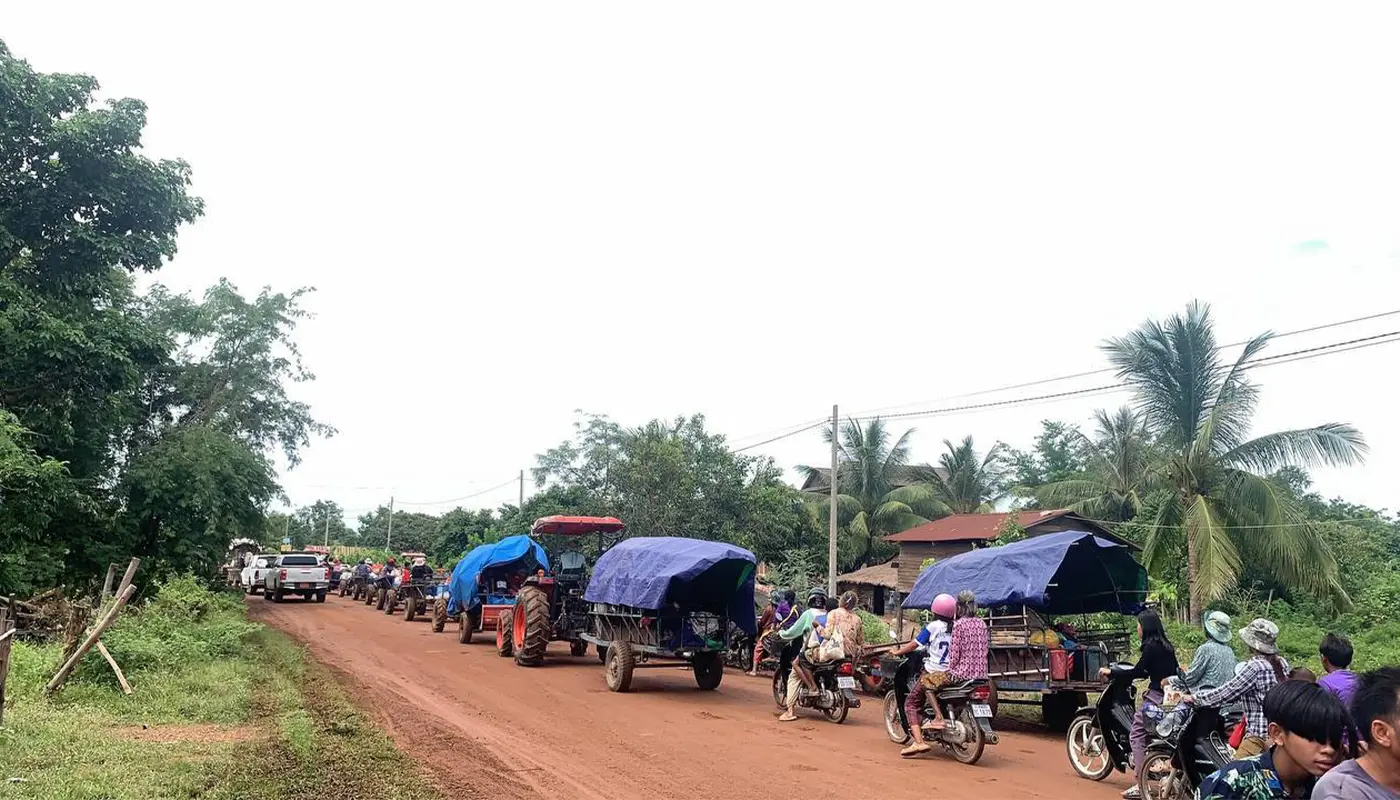
Renewed fighting along the Thailand-Cambodia border has escalated into one of the most serious confrontations in recent years, with airstrikes, artillery fire, and mass civilian displacement reported since 8 December.
Both governments have accused each other of violating a fragile ceasefire brokered only months ago, plunging the region back into turmoil.
According to Thai military officials, the clashes began at dawn in Ubon Ratchathani province when Cambodian forces allegedly opened fire, killing one Thai soldier and injuring several others.
In response, Thailand deployed fighter jets to strike Cambodian positions, claiming the attacks were necessary to “suppress aggression”. Cambodia, however, rejected this account, insisting that Thai forces initiated the assault and describing the strikes as “provocative actions”.
The violence has had devastating consequences for civilians. Reports indicate that more than 385,000 people have fled their homes across both sides of the border, seeking refuge in temporary shelters.
Hospitals in affected provinces have been forced to shut down, with patients evacuated under emergency conditions. Cambodian authorities confirmed that at least four civilians were killed, while Thailand reported the death of one soldier.
The dispute centres on long-contested territory near the Preah Vihear temple, a UNESCO World Heritage Site that has been a flashpoint for decades.
Earlier clashes in July left dozens dead and displaced over 300,000 people before a ceasefire was brokered by the United States and ASEAN partners.
That agreement now appears to have collapsed, with both sides trading accusations of ceasefire breaches and landmine incidents.
Regional leaders have expressed alarm at the escalation. Malaysia and ASEAN have urged restraint, while Amnesty International warned that renewed hostilities risk “civilian lives, mass displacement and the destruction of essential infrastructure”.
Thai Prime Minister Anutin Charnvirakul stated in a televised address: “Thailand has never wished for violence, but we will use necessary means to preserve sovereignty and protect our people”. Former Cambodian leader Hun Sen, meanwhile, accused Thailand of acting as “invaders”.
The humanitarian impact is already severe, with schools closed, border trade disrupted, and communities uprooted.
Analysts warn that unless both governments recommit to dialogue, the conflict could spiral into a broader regional crisis, undermining ASEAN’s stability and threatening economic ties across Southeast Asia.
Sources: Al Jazeera, Channel News Asia, The Diplomat