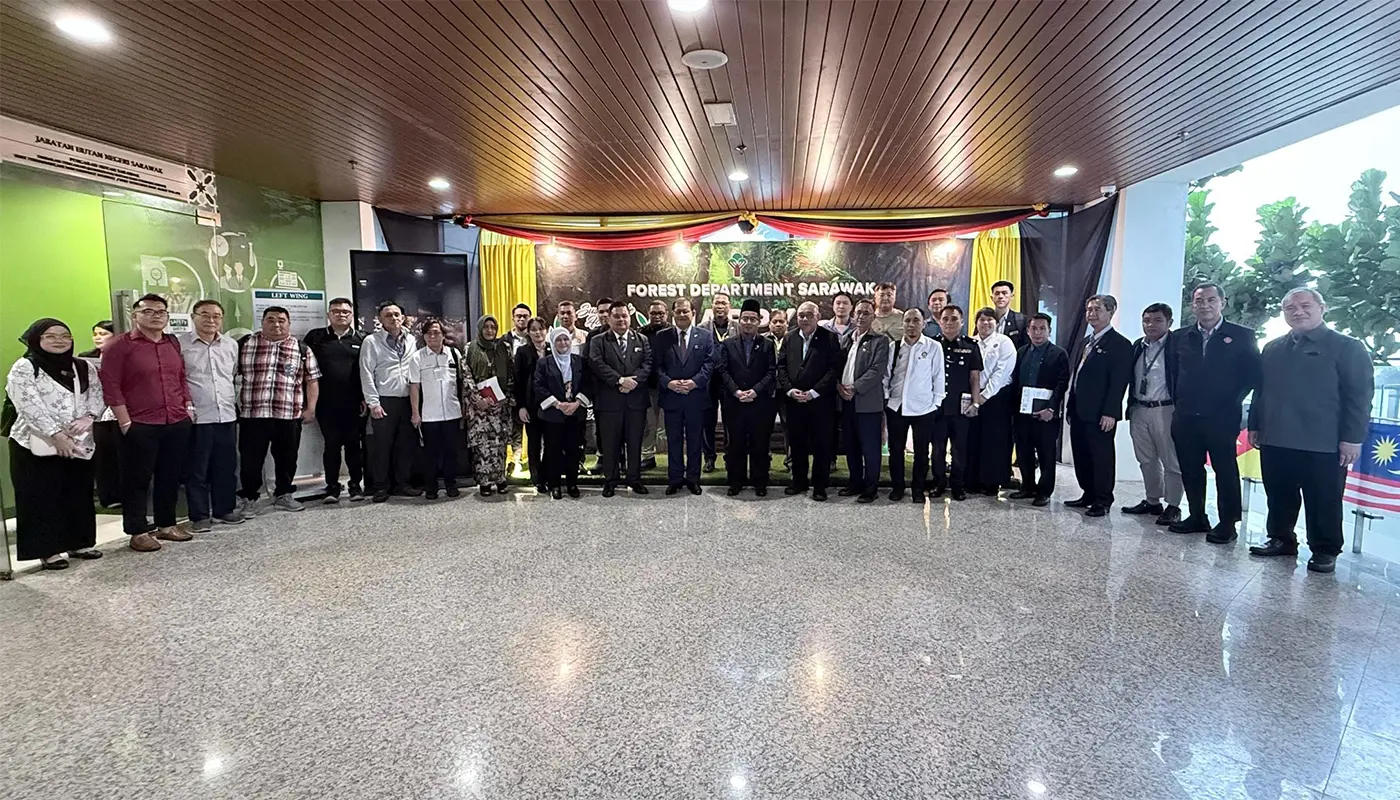
KUCHING – Sarawak has stepped up efforts to address recurring flooding in Matu, Jemoreng and Passin, with recommendations from technical and enforcement agencies set to guide a more integrated and coordinated response.
Deputy Minister in the Sarawak Premier’s Department (Integrity and Ombudsman), Datuk Dr Juanda Jaya, stressed that expert advice must be taken seriously and translated into concrete action. He warned that the long-standing “business as usual” approach is no longer acceptable, particularly in development activities such as road construction and earthworks that have direct impacts on drainage systems and the environment.
Dr Juanda made the remarks while chairing a special meeting at the Sarawak Forestry Department Headquarters on Monday. The meeting brought together 12 government agencies to review the causes, impacts and possible solutions to the flooding problems affecting local communities.

Agencies involved included the Ministry of Natural Resources and Urban Development, the Sarawak Forest Department, the Sarawak Land and Survey Department and the Mukah Resident Office, along with other departments responsible for land use and regional development.
Farm licensees and road construction contractors were also present and were required to explain the works carried out, their compliance with approval conditions and the corrective measures planned following warnings issued by technical agencies.

Dr Juanda emphasised that coordinated action is crucial to protect the welfare and safety of residents in flood-prone areas. He noted that the meeting served as a platform to align all stakeholders, strengthen accountability and reinforce the importance of complying with environmental and technical standards.
Flooding has long been a challenge in parts of Sarawak, especially in low-lying areas such as Matu. Experts have identified contributing factors including land clearing, inadequate drainage and unregulated development. The state government has repeatedly highlighted the importance of sustainable land management in reducing flood risks.
The Deputy Minister’s call reflects Sarawak’s broader push to strengthen resilience against climate-related challenges. By embedding technical recommendations into policy and implementation, the government aims to minimise flood impacts on communities while promoting sustainable development.
The meeting concluded with a commitment to ensure that all agencies and contractors act on the recommendations, signalling a shift towards a more proactive and integrated approach to flood management in the region.