A Living Museum at Santubong: Gateway to Sarawak’s Cultural Heart
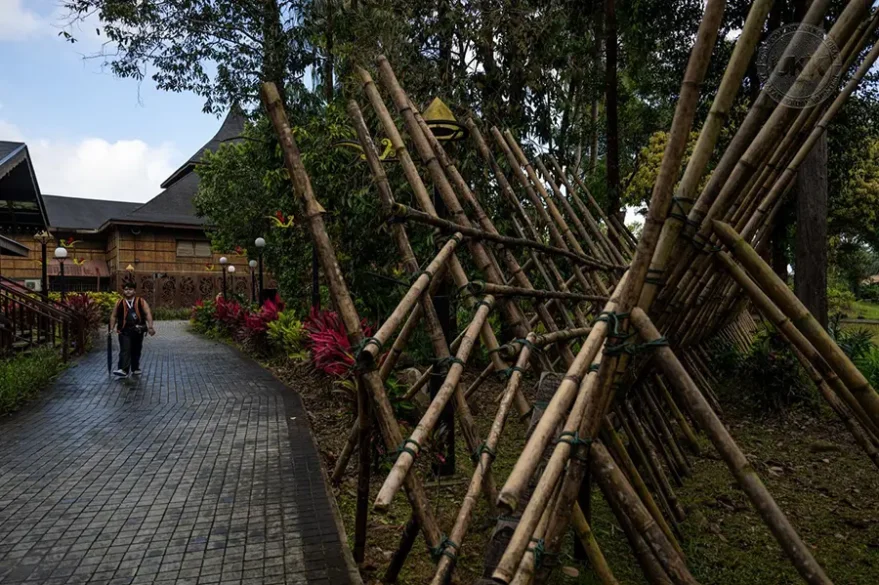
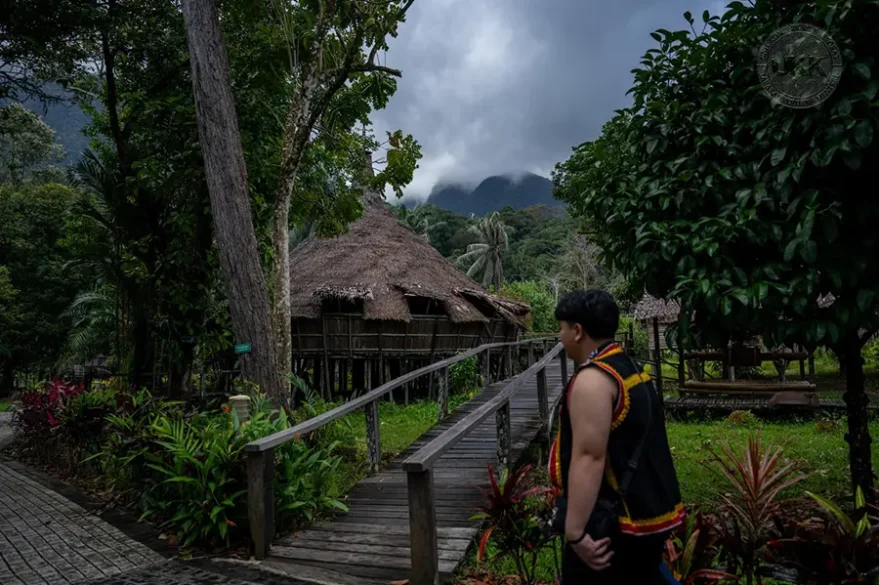
At the foot of Mount Santubong, overlooking the shimmering South China Sea, lies one of Malaysia’s most treasured cultural attractions, the Sarawak Cultural Village.
Officially opened in February 1990, this seven‑hectare living museum has become a vibrant showcase of Sarawak’s diverse heritage.
Each year, tens of thousands of visitors from across the globe step into this unique space to experience the traditions, lifestyles, and artistry of Sarawak’s many ethnic groups.

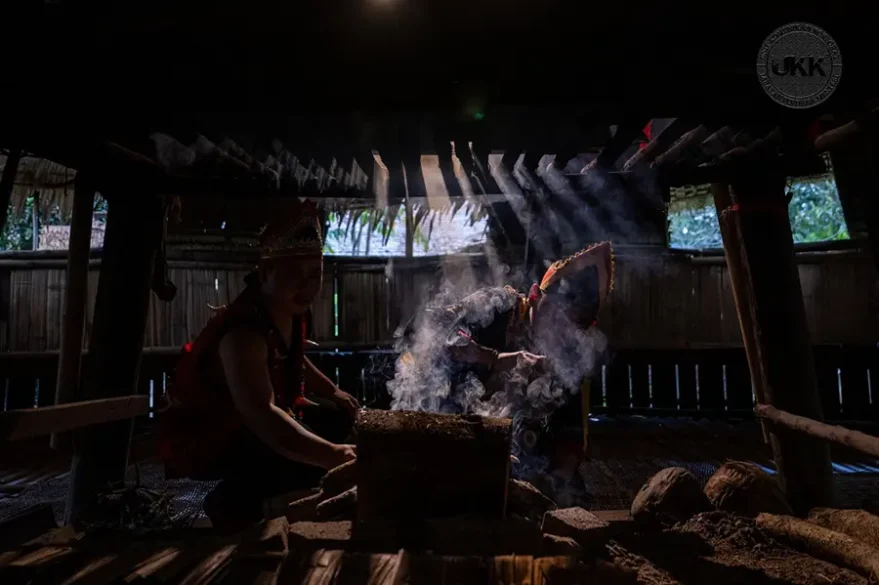
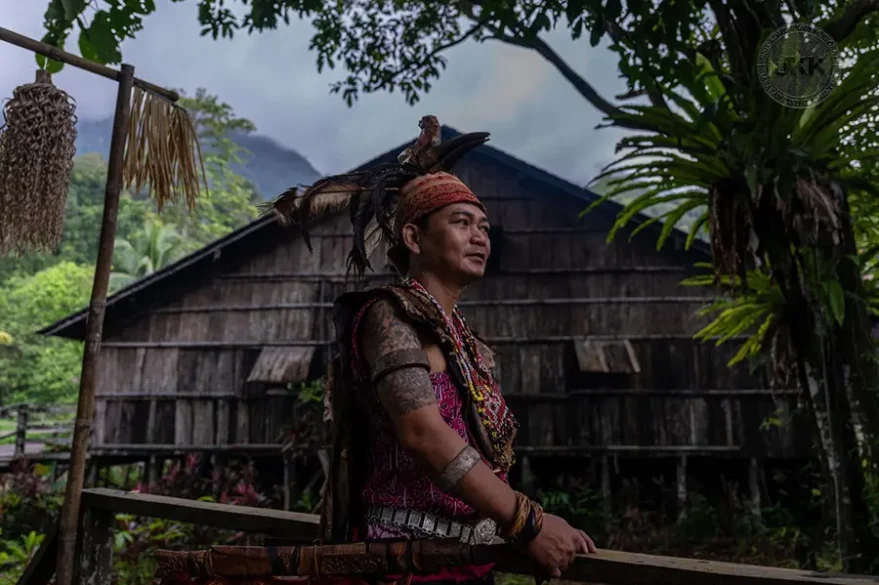
Unlike conventional museums, the Sarawak Cultural Village is alive with activity. Staff members demonstrate cultural practices and live within the village itself, making it a truly immersive environment where heritage is not just displayed but lived.
Seven Ethnic Houses Around the Lake
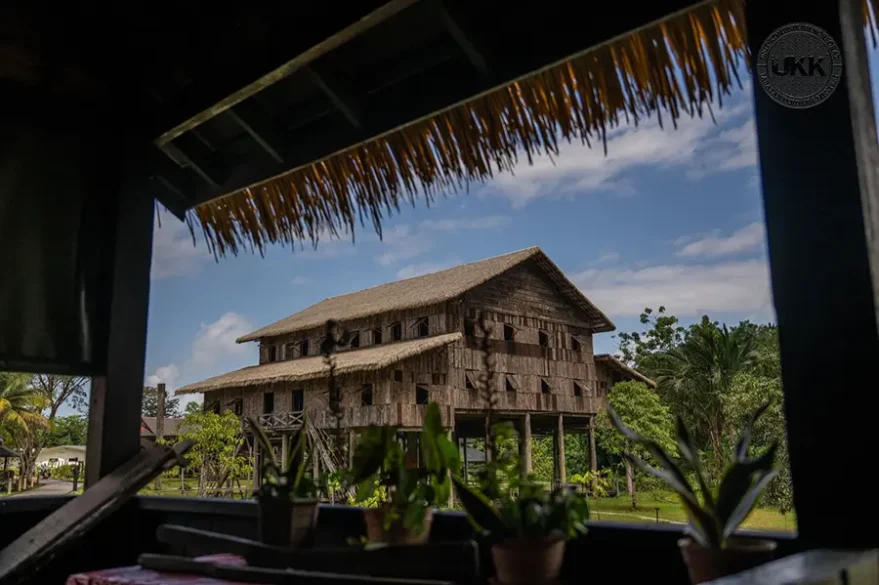
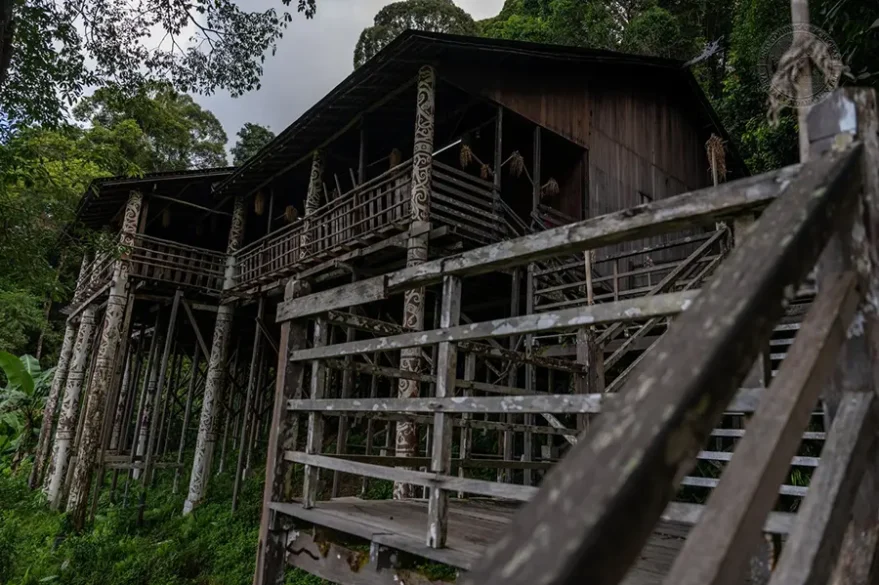
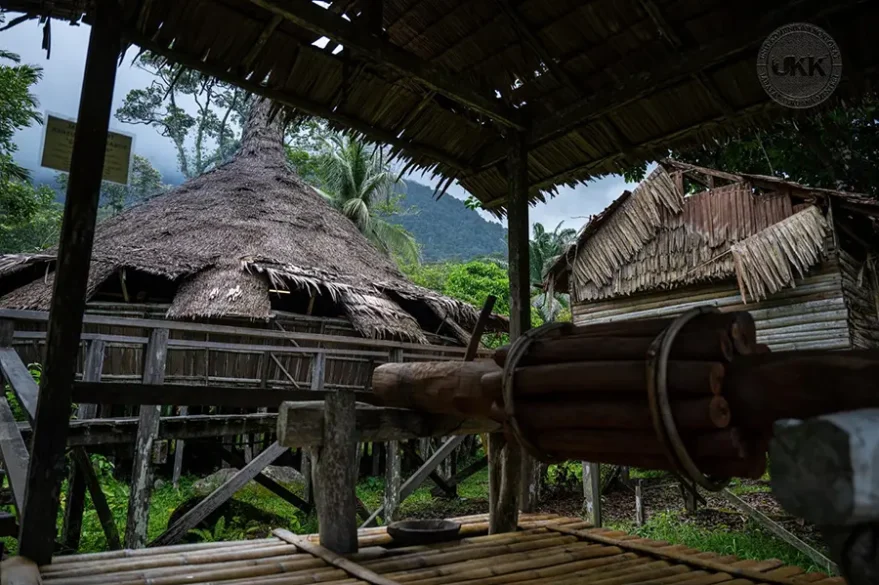
At the heart of the village is an artificial lake, around which seven traditional houses are carefully arranged. This design reflects the settlement patterns of Sarawak’s communities, who often built homes near rivers or coastal areas.

Each house represents one of the state’s major ethnic groups: Bidayuh, Iban, Orang Ulu, Penan, Melanau, Malay, and Chinese.
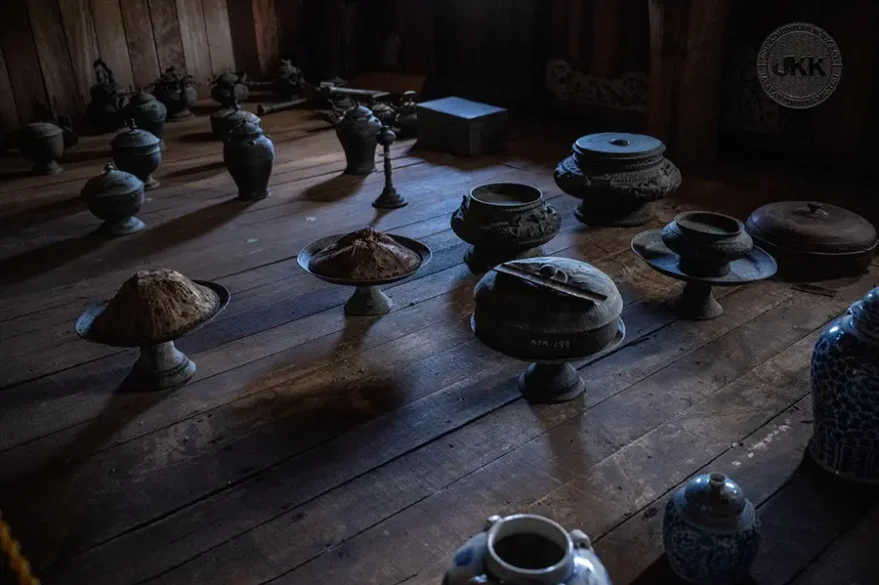
Visitors can step inside these houses to explore traditional building techniques, household items, and staple foods. Local delicacies such as kuih jala and tebaloi made from sago are prepared on site, offering guests the chance to taste authentic Sarawakian flavours or even try their hand at cooking.
Living Traditions and Daily Life
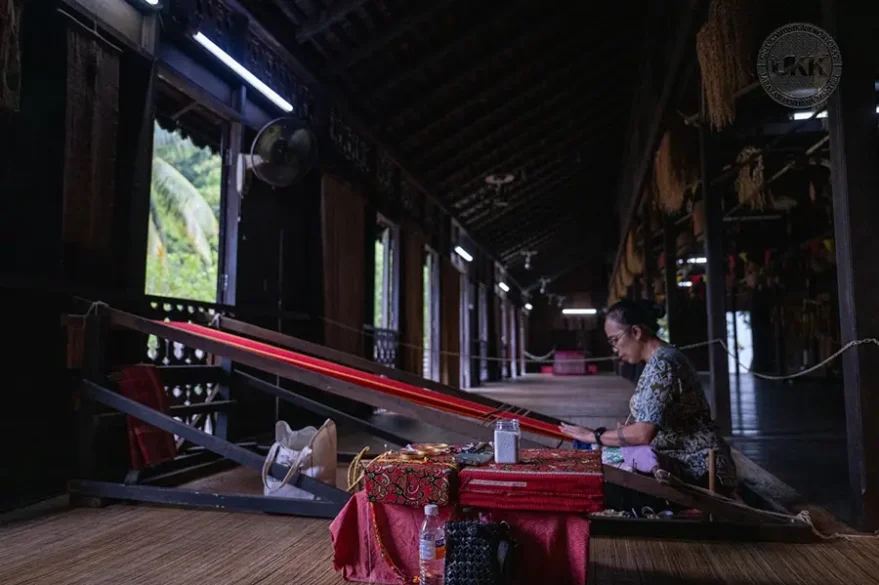
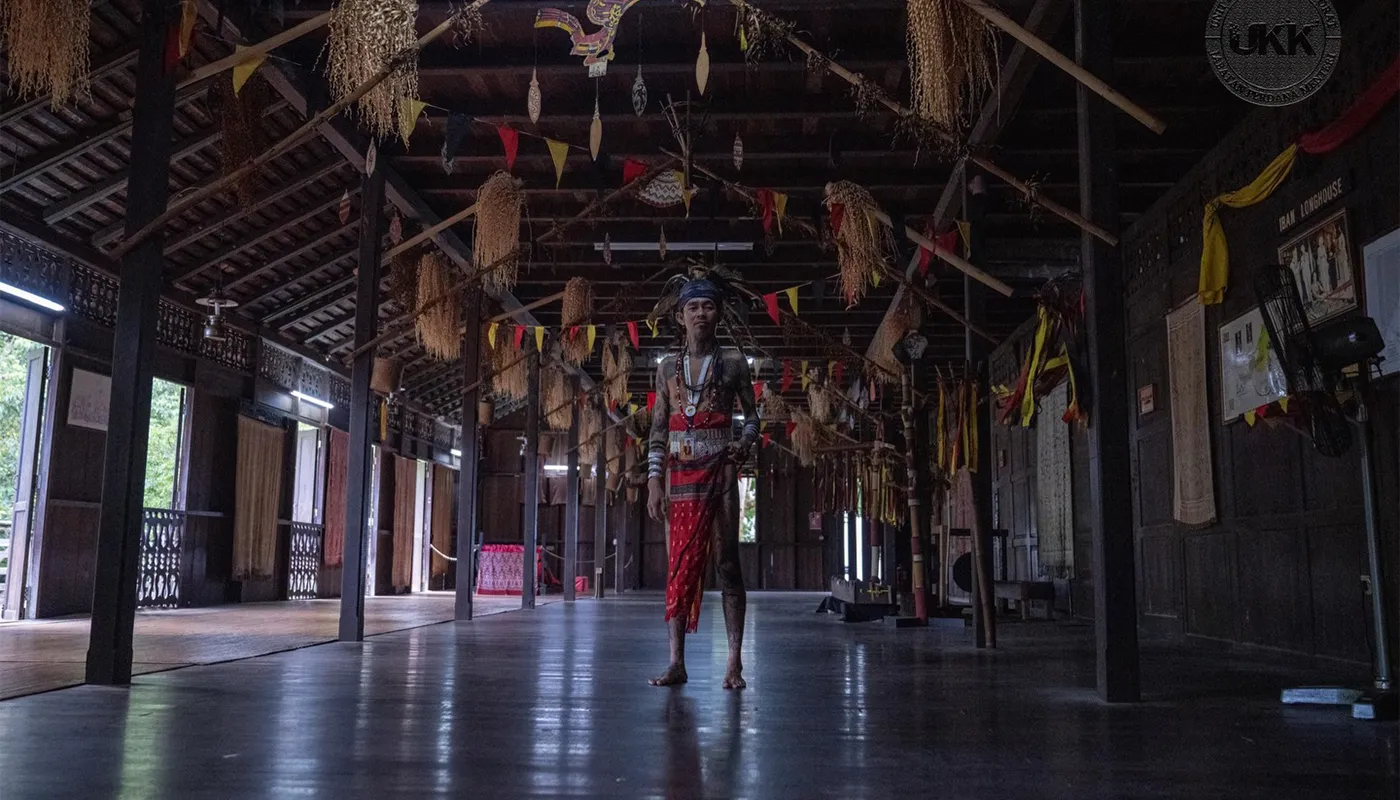
The village’s uniqueness lies in its ability to bring traditions to life. In the Iban longhouse, guests witness the intricate art of pua kumbu weaving and beadwork, which carry deep symbolic meaning.
The Penan house introduces visitors to the semi‑nomadic lifestyle of the Penan people, including demonstrations of hunting tools such as blowpipes.
The Orang Ulu house resonates with the hauntingly beautiful sounds of the sape, a traditional lute that has become an icon of Sarawak’s music. Meanwhile, the Melanau house showcases the sago processing tradition, a staple food source for generations.
The Malay and Chinese houses highlight cultural practices such as wedding pelamins, ornate ceremonial platforms, and ancestral family altars, reflecting the importance of family and spirituality.
Performances and Cultural Immersion
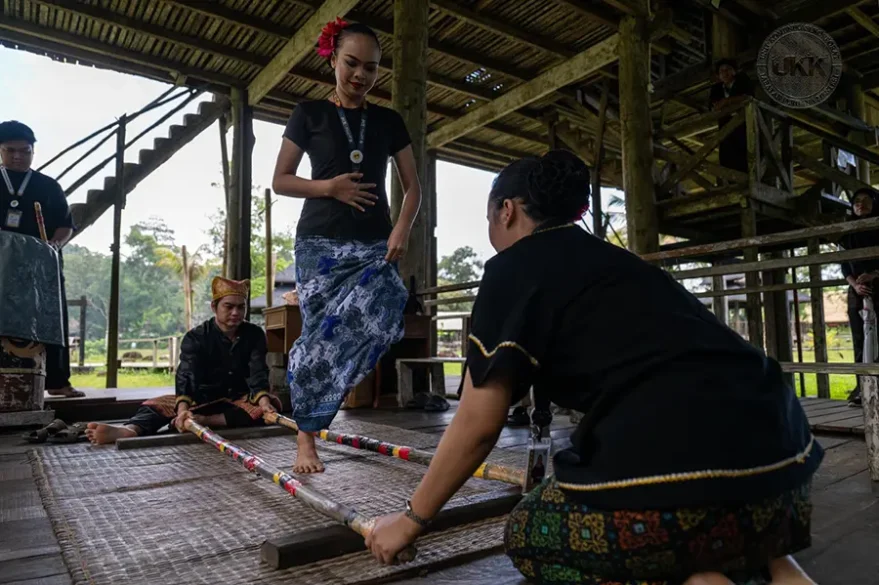
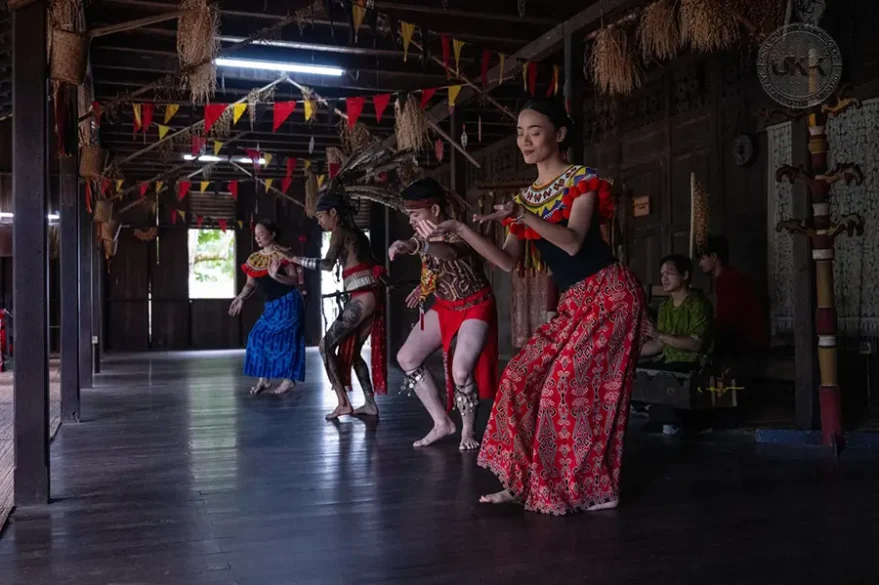
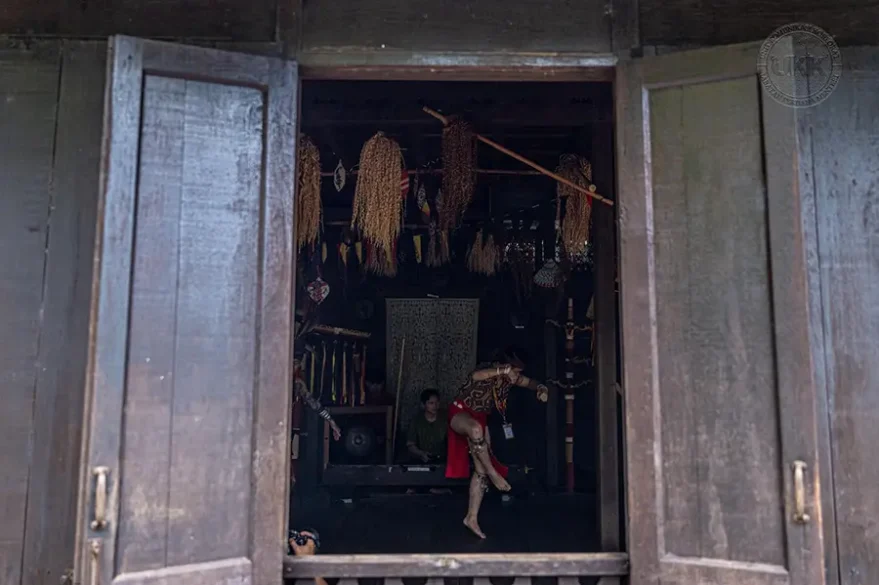
Beyond architecture and crafts, the Sarawak Cultural Village offers daily cultural performances that bring the stories of each community to life.
Colourful dances, traditional music, and interactive activities allow visitors to engage directly with Sarawak’s heritage. Every visitor leaves with a deeper appreciation of the state’s cultural diversity, as these performances are authentic expressions of identity rather than staged spectacles.
A Unique Learning Space
The village is more than a tourist attraction; it is a centre for cultural preservation and education. By gathering Sarawak’s ethnic traditions in one place, it provides both locals and international visitors with an accessible way to learn about the state’s rich heritage.
It also plays a vital role in keeping traditions alive for future generations, ensuring that Sarawak’s cultural identity continues to thrive in a modern world.
Performances and Cultural Immersion
Beyond architecture and crafts, visitors enjoy vibrant cultural performances, traditional music, and interactive activities. These experiences provide a more profound understanding of Sarawak’s diverse heritage and its ongoing preservation.
Why Visit Sarawak Cultural Village?
Experience seven ethnic cultures in one location. Participate in hands‑on activities and taste authentic local food. Enjoy live performances and traditional music. Learn about Sarawak’s heritage in an immersive, interactive environment.