KUCHING – Sarawak’s proposal to supply electricity to Peninsular Malaysia remains at the policy stage, with technical studies and regional approvals still required before implementation can proceed.
Deputy Prime Minister Datuk Amar Fadillah Yusof, who also serves as Minister of Energy Transition and Water Transformation (PETRA), confirmed that approval in principle has already been secured.
However, he stressed that detailed feasibility studies and survey work must be undertaken, including coordination with Indonesia, before the project can move forward.

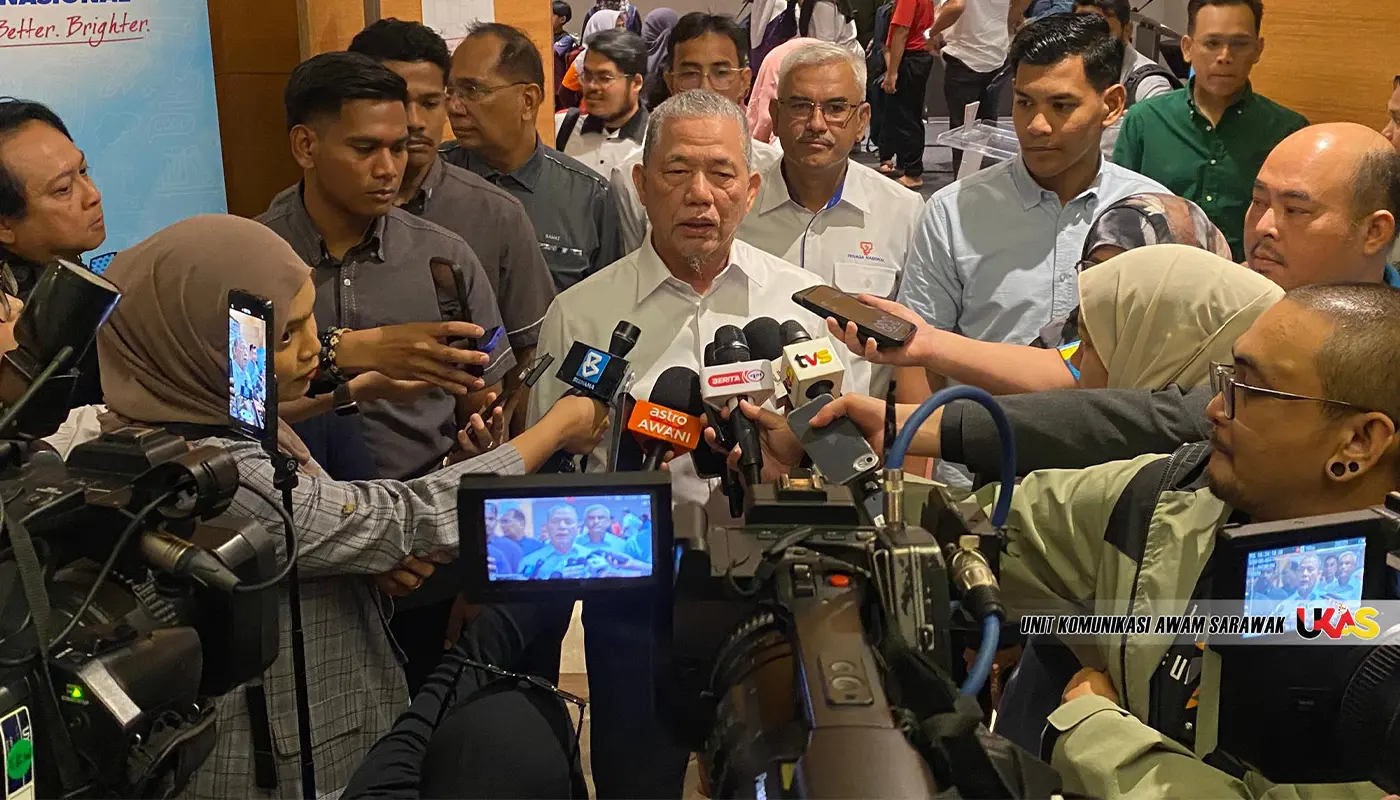
“In terms of policy, approval in principle has been obtained, but at the technical level, studies need to be carried out first including survey work involving Indonesia before the feasibility study can be finalised,” he told reporters after officiating the Ceria Ke Sekolah programme organised by Tenaga Nasional Berhad (TNB) on Monday.
The initiative is expected to involve multiple stakeholders, including TNB, Petroliam Nasional Berhad (PETRONAS) and Sarawak Energy, reflecting its scale and complexity.

Datuk Amar Fadillah explained that the tariff rate for electricity supply has not yet been determined, as a comprehensive cost analysis must be completed before negotiations can begin.
He further clarified that the technical study has not commenced because Sarawak must first notify and obtain approval from Indonesia. This step is crucial given the regional implications of cross-border energy infrastructure.
Despite these challenges, Datuk Amar Fadillah expressed optimism that preliminary processes could begin next year, although he cautioned that progress will depend heavily on negotiations and approvals involving Indonesia.
The project, if realised, would mark a significant milestone in Sarawak’s energy transition strategy, positioning the state as a key contributor to Malaysia’s wider energy security.
It also aligns with Sarawak’s ambition to leverage its renewable energy resources, particularly hydropower, to support sustainable development while strengthening regional cooperation.
Observers note that Sarawak has long been recognised for its hydropower potential, with existing projects such as the Bakun and Murum dams already contributing to the state’s energy surplus.
Exporting electricity to Peninsular Malaysia would not only diversify Malaysia’s energy mix but also enhance economic opportunities for Sarawak.
For now, the plan remains subject to technical validation and diplomatic coordination, underscoring the importance of regional collaboration in advancing Malaysia’s energy transition agenda.