KUCHING – Sarawak Metro Sdn Bhd has officially transitioned into a State-Owned Enterprise (SOE) under the oversight of the Sarawak Financial Secretary (SFS), marking a significant restructuring in the state’s economic and infrastructure management.
Previously operating as a subsidiary of the Sarawak Economic Development Corporation (SEDC), the company is now directly managed by the state’s financial authority.
The move is part of a broader strategy to streamline governance and strengthen accountability in major public infrastructure projects.
Chief Executive Officer Ts. Mazli Mustaffa described the transition as a strategic decision by the Sarawak government to ensure tighter corporate governance and more effective delivery of transport initiatives.
He emphasised that Sarawak Metro’s role now extends beyond operations, positioning the company as a key driver of the state’s urban mobility agenda.
Sarawak Metro is the implementing agency for the Kuching Urban Transport System (KUTS), which includes the much-anticipated Autonomous Rapid Transit (ART) project.
The ART system, designed to introduce hydrogen-powered vehicles to Kuching’s public transport network, has faced delays.
According to recent updates, Phase 1 of the KUTS project, which covers the Rembus–Riveria Blue Line, is now expected to commence operations in the fourth quarter of 2026.
Progress currently stands at just under 30 percent, slightly behind schedule. Officials have clarified that while delays are evident, there have been no cost overruns, ensuring financial stability for the project.
Mazli acknowledged challenges faced by the project, noting that rail testers had raised concerns about infrastructure readiness. He explained that the ART rail manager had departed two years ago, contributing to setbacks in coordination.
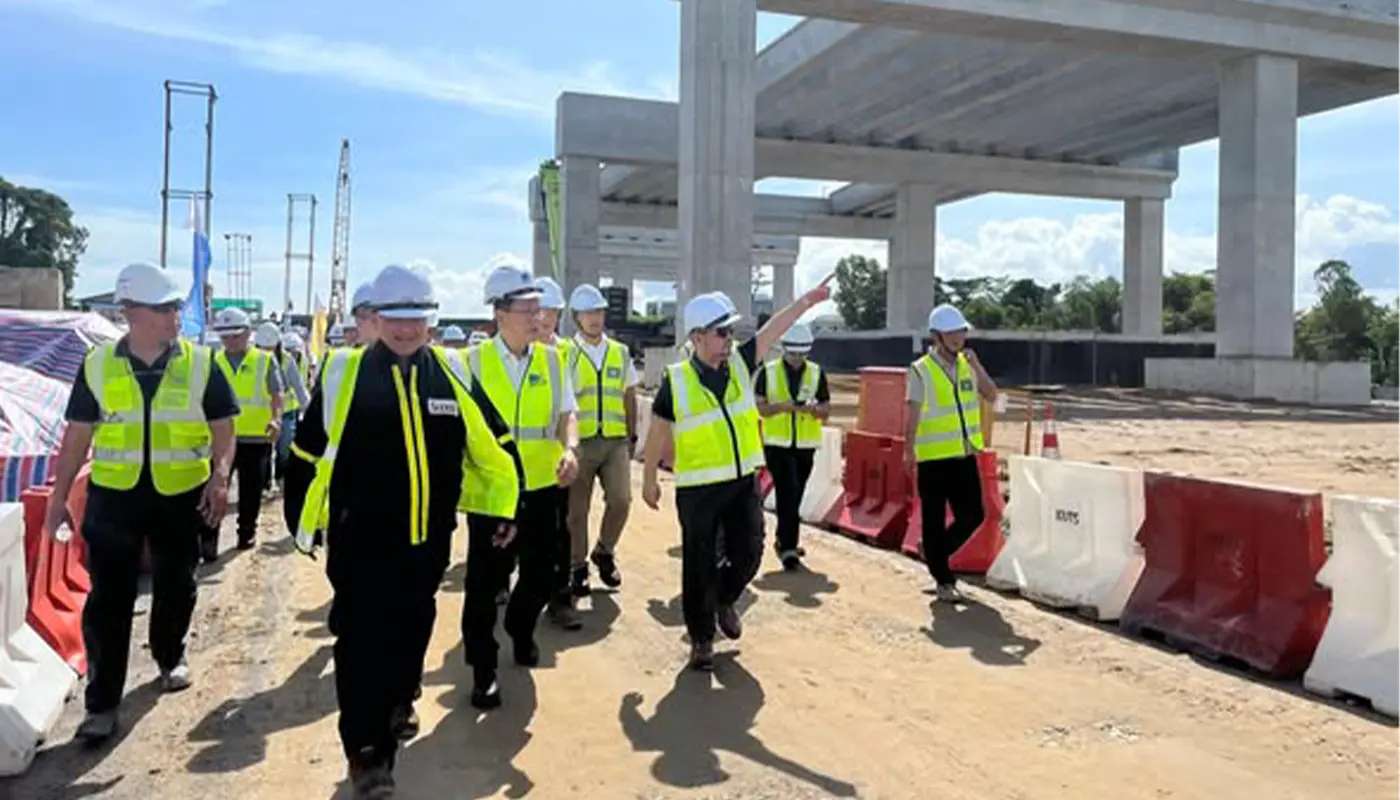
Despite these hurdles, construction continues across multiple sites in Kuching, with visible progress on ART stations and supporting infrastructure.
The Rembus Depot in Kota Samarahan, a crucial facility for the ART system, is under development. The depot will house hydrogen refuelling stations, workshops, and an operations control centre, serving as the backbone of the ART network.
Local leaders have expressed optimism about the project’s long-term impact. The ART system is expected to transform urban mobility, reduce traffic congestion, and support Sarawak’s ambition to become a leader in green transport solutions.
Mazli reiterated Sarawak Metro’s commitment to delivering the project, stating: “The circuit breaker was praised by Sarawak Metro while it was the responsibility of the operator until the end of the year. Fortunately, it was installed that year as well as the years to come.”
As Sarawak Metro embarks on this new chapter as an SOE, the company is tasked with balancing operational challenges with the state’s vision for sustainable and modernised public transport.
The coming years will be critical in determining how effectively the ART project reshapes Kuching’s transport landscape.