



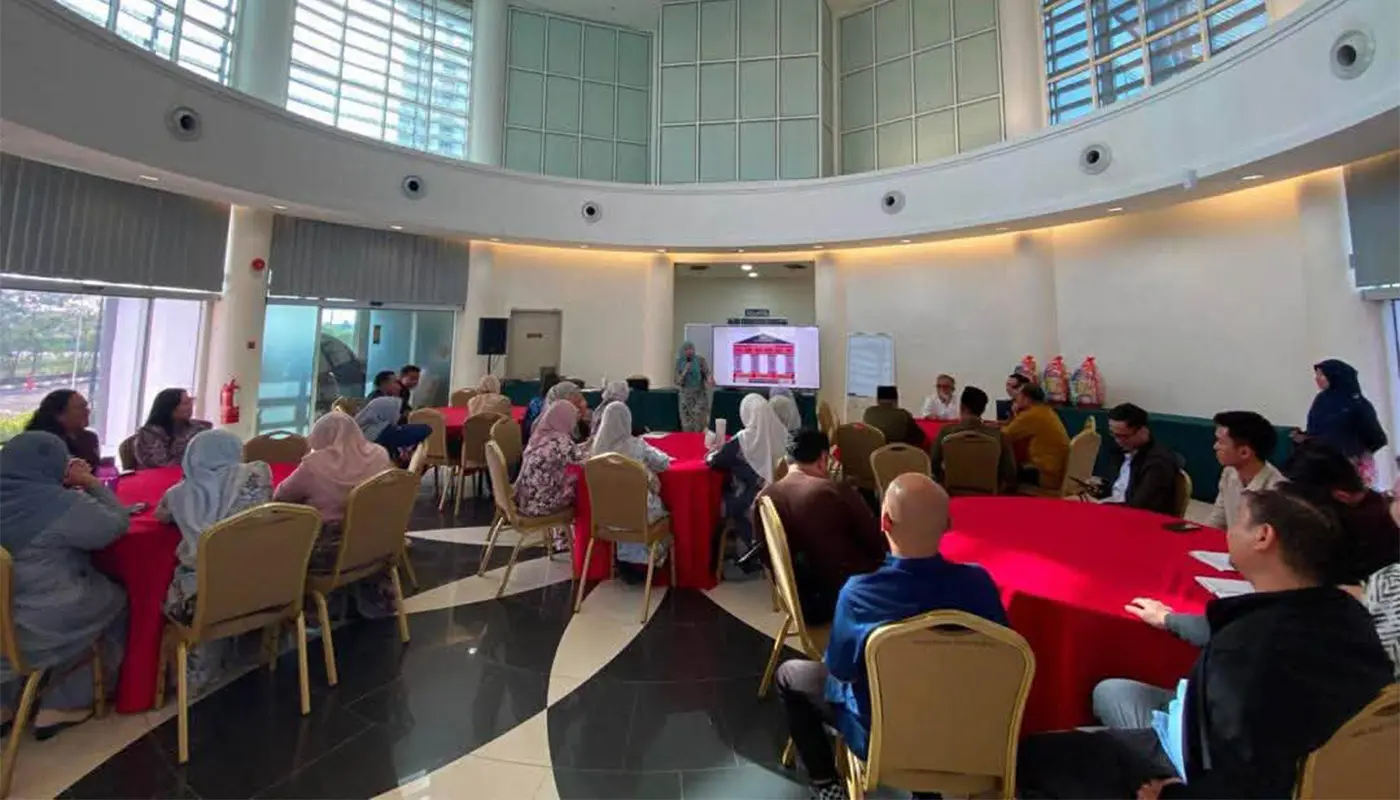
SIBU – A significant step towards fostering a safer and more respectful workplace environment was taken in Sibu recently with the organisation of a specialised programme titled “Healthy Boundaries, Respect Dignity”. The event, held at the Sarawak Islamic Complex Gallery, was organised by the Syarie Counseling and Psychological Development Unit under the Islamic Religious Office of the Sibu Division.

The initiative brought together nearly 40 civil servants from various government agencies across Sibu and the surrounding central zone. The gathering underscored a growing commitment within the public sector to address sensitive issues such as sexual harassment, ensuring that employees are equipped with the knowledge and skills necessary to navigate these challenges effectively.
The primary objective of the programme was to deepen participants’ understanding of sexual harassment, moving beyond surface-level definitions to explore the underlying dynamics of integrity, abuse of power, and ethical violations. By examining these concepts through a professional and moral lens, the organisers aimed to clarify what constitutes unacceptable behaviour in the workplace. This holistic approach helps employees recognise subtle forms of misconduct that might otherwise go unchecked.
In addition to theoretical understanding, the workshop focused on practical skill-building. Attendees were trained on how to respond appropriately if they become victims of harassment or if they witness such incidents as bystanders. Empowering individuals to take action is crucial in creating a culture of accountability. The session provided strategies for reporting incidents, supporting colleagues, and maintaining personal boundaries in professional settings.
The choice of venue and the involvement of the Syarie Counseling unit highlight the integration of ethical and psychological perspectives in addressing workplace conduct. By framing the issue around dignity and respect, the programme aligns with broader societal values while adhering to professional standards expected of civil servants. This dual focus ensures that the message resonates on both a personal and professional level.
Organisers expressed hope that this programme would serve as a model for ongoing initiatives within the civil service. The ultimate goal is to strengthen a work culture that is entirely free from harassment, discrimination, and oppression. Such an environment is essential for the well-being of employees and the efficient functioning of government services.
This effort is in direct line with the government’s aspiration to create an inclusive, safe, and prosperous work environment for all civil servants. By proactively addressing issues of power dynamics and ethical breaches, the administration demonstrates its dedication to protecting its workforce. A safe workplace not only improves morale but also enhances productivity and public trust in government institutions.
The participation of staff from multiple agencies indicates a coordinated approach to this issue. It suggests that the problem of workplace harassment is being tackled systematically rather than in isolation. Sharing best practices and common guidelines across different departments helps to establish a uniform standard of conduct throughout the public sector in the region.
Feedback from the session indicated that participants found the discussions enlightening and relevant to their daily work lives. Many appreciated the opportunity to discuss these topics in a safe and structured environment. The interactive nature of the programme allowed for the exchange of experiences and concerns, fostering a sense of solidarity among the attendees.
As the civil service continues to modernise and adapt to contemporary challenges, initiatives like “Healthy Boundaries, Respect Dignity” play a pivotal role in shaping organisational culture. They serve as reminders that professional excellence must be accompanied by ethical integrity and mutual respect.
The success of this event in Sibu may inspire similar programmes in other divisions across Sarawak. By prioritising the mental and emotional safety of its employees, the government is investing in its most valuable asset: its people. Ensuring that every civil servant feels respected and secure is fundamental to building a resilient and effective public service.
Moving forward, the Islamic Religious Office and related agencies are expected to continue monitoring the impact of such training. Regular refresher courses and updated guidelines will likely be introduced to keep pace with evolving workplace dynamics. The commitment to zero tolerance for harassment remains a cornerstone of this ongoing effort.
