


KUCHING – Sarawak Deputy Premier Datuk Amar Douglas Uggah Embas has commended Federal and state agencies for their cooperation in carrying out five series of cloud seeding operations across Sarawak in 2026, highlighting the importance of coordinated disaster preparedness amid increasingly challenging weather conditions.
Uggah, who chairs the Sarawak State Disaster Management Committee (JPBNS), said the joint efforts demonstrated the importance of combining technical expertise, operational resources and inter-agency coordination to address extreme weather challenges and safeguard the state’s water resources.

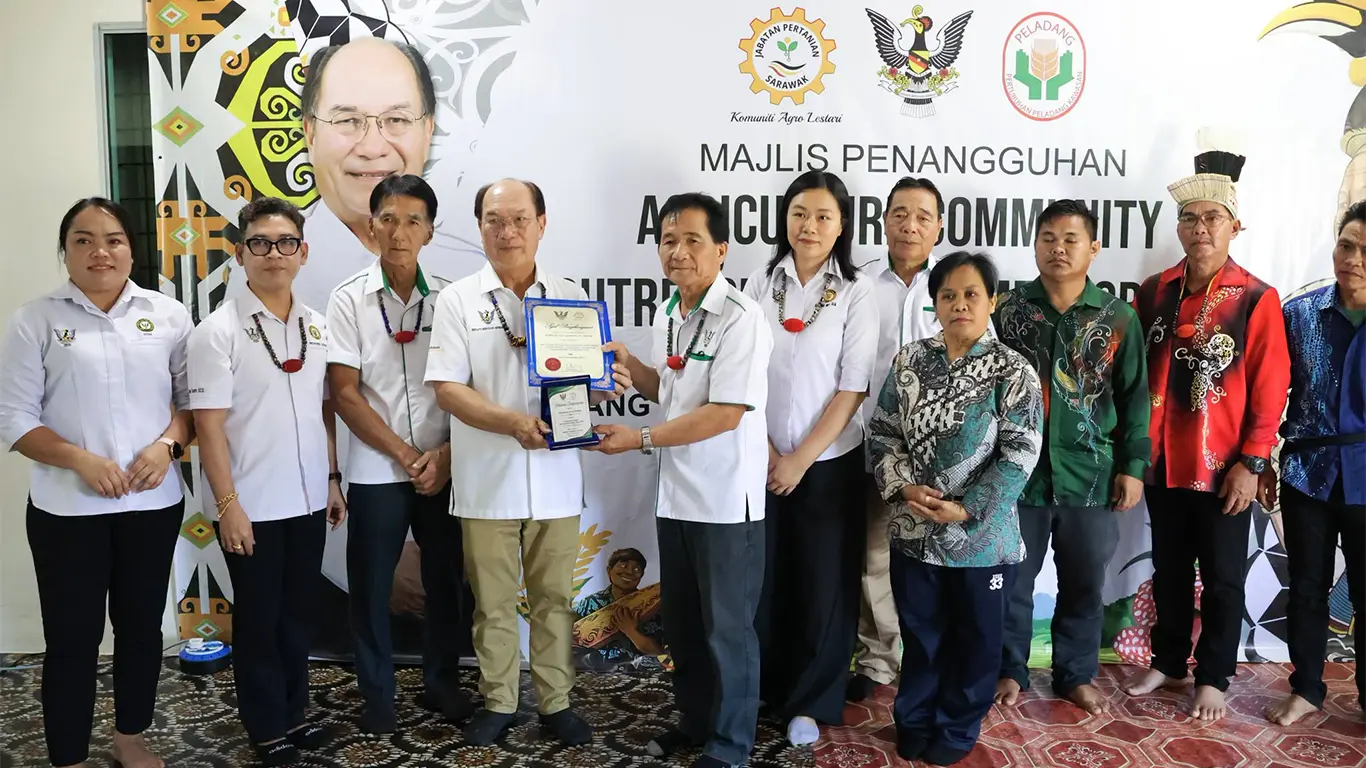
He conveyed his appreciation to the Federal and Sarawak Governments, together with the departments, agencies and personnel involved in the operations, during an appreciation dinner for the 2026 Cloud Seeding Operations organised by Sarawak Energy Berhad (SEB) in Kuching on 10 November.
He said successful cloud seeding operations depended on contributions from multiple agencies, covering meteorological assessments, weather radar monitoring, aircraft arrangements, flight crew preparation, airspace security and logistical support.

The process also required close monitoring of dams and water supply systems to assess conditions and support decisions on the timing and implementation of the operations.
Among the organisations recognised for their contributions were the National Disaster Management Agency (NADMA), Malaysian Meteorological Department (METMalaysia), Royal Malaysian Air Force (RMAF) and Civil Aviation Authority of Malaysia (CAAM).
Other participating organisations included the Sarawak Ministry of Utilities and Telecommunications, Sarawak Energy Berhad, Sarawak Water, Rural Water Supply Department (JBALB), Sarawak Security and Enforcement Unit (UKPS) and Malaysian Civil Defence Force (APM).
“I would like to express my deepest appreciation to all the agencies and personnel involved. The contributions of each party, whether in terms of technical expertise, coordination, logistics or the implementation of operations on land and in the air, are very important in the success of this effort,” he said.
Uggah said Sarawak’s experience with prolonged hot weather and haze conditions during the year had demonstrated the need for sustained readiness among disaster management authorities.
He highlighted that the Air Pollution Index (API) had previously exceeded 500, illustrating the severity of the air quality challenges encountered during the period.
Such conditions require coordinated monitoring and response measures involving relevant agencies, particularly when weather-related threats affect public safety, environmental conditions and essential resources.
The Deputy Premier also pointed to the possibility of an El Niño phenomenon developing in the future, saying preparedness measures and weather monitoring should remain a priority.
El Niño is a climate pattern associated with changes in ocean temperatures in the central and eastern tropical Pacific, which can influence rainfall and temperature patterns in different parts of the world. Its potential effects make continued monitoring important for regions that may experience prolonged dry conditions.
Uggah stressed that cloud seeding should remain an available intervention when circumstances require it, although its implementation must depend on suitable atmospheric and weather conditions.
He said operations could only be undertaken effectively when the prevailing conditions were appropriate, making meteorological assessments an essential part of the decision-making process.
“The challenges that lie ahead require us to always be prepared. This spirit of cooperation must be maintained so that all agencies can act in a coordinated manner and continue cloud seeding operations when needed,” he said.
He described the collaboration between Federal and state authorities as an example of a whole-of-government approach to disaster management, bringing together different areas of expertise and operational capabilities.
The approach, he said, was important in ensuring that agencies could respond collectively to weather-related emergencies rather than operating independently.
Uggah also expressed hope that the existing cooperation would continue to develop, particularly as Sarawak prepares for potential climate-related risks and other disaster challenges in the coming years.
The appreciation event was attended by Sarawak Minister of Utilities and Telecommunications Dato Sri Haji Julaihi Haji Narawi, Sarawak Deputy Secretary to the State (Administration) Datu Felicia Tan Ya Hua, Sarawak Energy Group Chief Executive Officer Dato Ruslan Abdul Ghani and METMalaysia Director-General Dr Mohd Hisham Mohd Anip.
Also present was NADMA Operations Division Director DCP Datuk Mazli bin Mazlan.
The gathering recognised the contributions of participating agencies while reinforcing the importance of maintaining operational coordination, technical readiness and cooperation in protecting Sarawak’s water resources and responding to future weather-related challenges. — Sarawak Daily