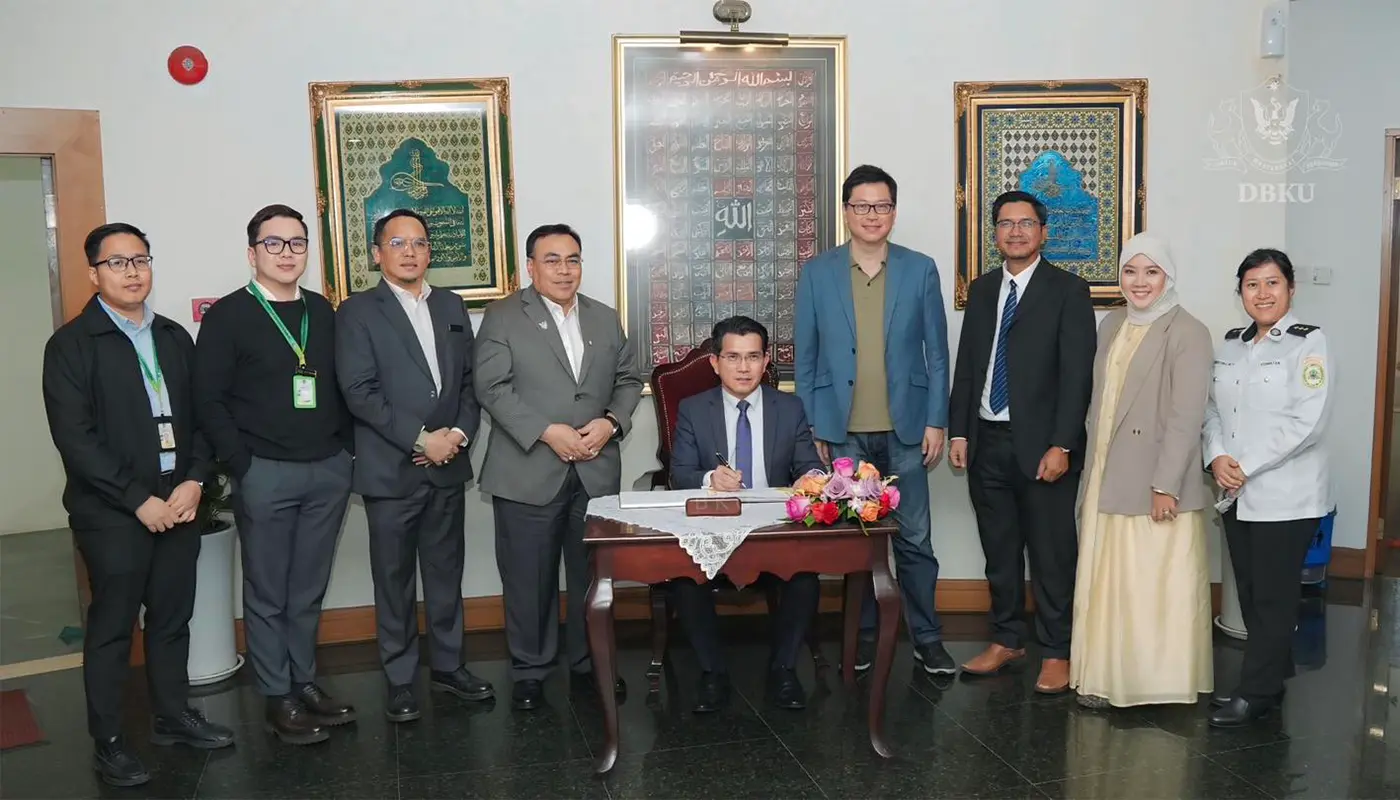
KUCHING – Firdaus Abdullah, Rector of Universiti Teknologi MARA (UiTM) Sarawak, paid a courtesy call to Kuching North Mayor Dato Haji Hilmy bin Haji Othman at the City Hall Kuching North (DBKU).
It was a meeting that was intended to strengthen the relationship between the university and city administration, but both sides stressed an enabling environment for academia and community-based projects.
The conversation revolved around how education and research can be utilised to enhance Kuching and address its community’s health needs.

Professor Dr Firdaus said UiTM Sarawak was very committed to working closely with DBKU in introducing inclusive and progressive programmes.
These innovations have the potential to deliver game-changing solutions, especially in areas such as urban planning, social services delivery systems and knowledge-sharing systems.

Welcoming the collaboration, Dato Haji Hilmy said partnerships between academic institutions and local authorities were crucial in sustainable city planning.
He emphasised that the future of Kuching North lies in creative strategies to combine research, education and community involvement.
DBKU’s Community Services Department Deputy Director, Mr Rudzaimeir bin Malek, was also at the visit. His participation reaffirmed the city hall’s commitment to bolstering connections on the ground and to enabling projects that benefit local communities directly.
UiTM Sarawak has also been actively expanding its community development role, such as research partnerships with organisations within the local environment and student-initiated outreach programmes and partnerships with government bodies.
The university seeks to leverage its social impact, combining academic knowledge with the city’s long-term goal of becoming a socially innovative leader.
This courtesy visit is a reflection of the growing recognition in Malaysia that universities can be key strategic partners in urban governance, an affirmation by the city leadership that we are here to help and work with them collectively.
Both sides are hoping to leverage academic resources with their municipal planning in an attempt to build a more resilient and future-thinking Kuching.
Such partnerships, observers say, can help translate policy into practice and make sure that development plans aren’t just well studied but also properly carried out.
This partnership could signal a move toward more inclusive projects for Kuching North, including infrastructure for cultural and educational initiatives.
The meeting ended with the agreed commitment to further investigate ways and means of collaborating, underlining the importance that education plays for community development.