



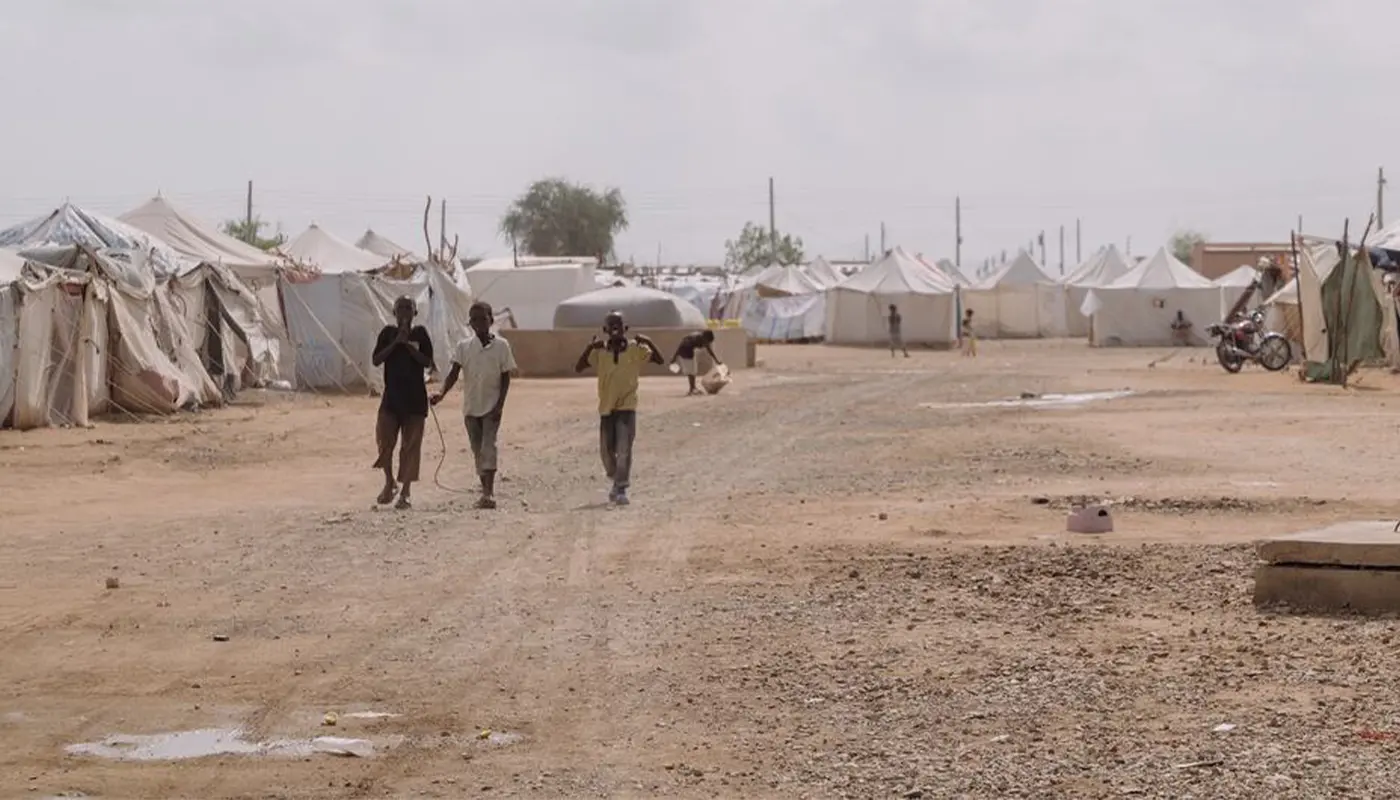
The United Nations has sounded the alarm over catastrophic levels of child malnutrition in Sudan’s Darfur region, warning that more than half of children in some areas are acutely malnourished as conflict and famine devastate communities.

A recent UNICEF survey conducted in Um Baru locality, North Darfur, revealed that 53 percent of children under five are acutely malnourished, with 18 percent suffering from severe acute malnutrition (SAM) – a life-threatening condition that can kill within weeks if untreated. Another 35 percent were found to be moderately malnourished, requiring urgent nutritional support.
“These figures are unprecedented and represent a humanitarian emergency,” UNICEF officials said, noting that the rates far exceed the World Health Organization’s emergency threshold of 15 percent.
The crisis comes amid ongoing fighting between Sudan’s army and the paramilitary Rapid Support Forces (RSF), which has displaced more than 12 million people since 2023.
Tens of thousands have been killed, and the UN has declared famine in several parts of the country, describing Sudan as the world’s worst humanitarian crisis at present.
In October, the RSF seized North Darfur’s capital, el-Fasher, after an 18-month siege. The UN later described the city as a “crime scene” following reports of mass atrocities.
More than 100,000 residents fled, many now living in camps such as el-Afadh in Northern State, where conditions remain dire.
Survivors have reported ethnically motivated killings and detentions, further compounding the humanitarian disaster.
Aid agencies have struggled to reach affected populations due to ongoing fighting and blockades. Humanitarian corridors remain limited, leaving thousands of children without access to food, clean water or medical care.
UN officials have urged immediate international intervention, warning that without urgent action, thousands of children could die in the coming weeks.
The malnutrition crisis also threatens regional stability, as refugees continue to cross into neighbouring countries in search of safety. Analysts warn that the collapse of food systems in Darfur could trigger wider instability across East Africa.
Despite the grim outlook, humanitarian organisations stress that the crisis is preventable if aid is allowed to reach those in need.
“Children are paying the highest price in this war,” one UN spokesperson said. “Without immediate access to food and healthcare, we risk losing an entire generation.”
Sources: Al Jazeera, UN News, Sudan Tribune, Reuters
