



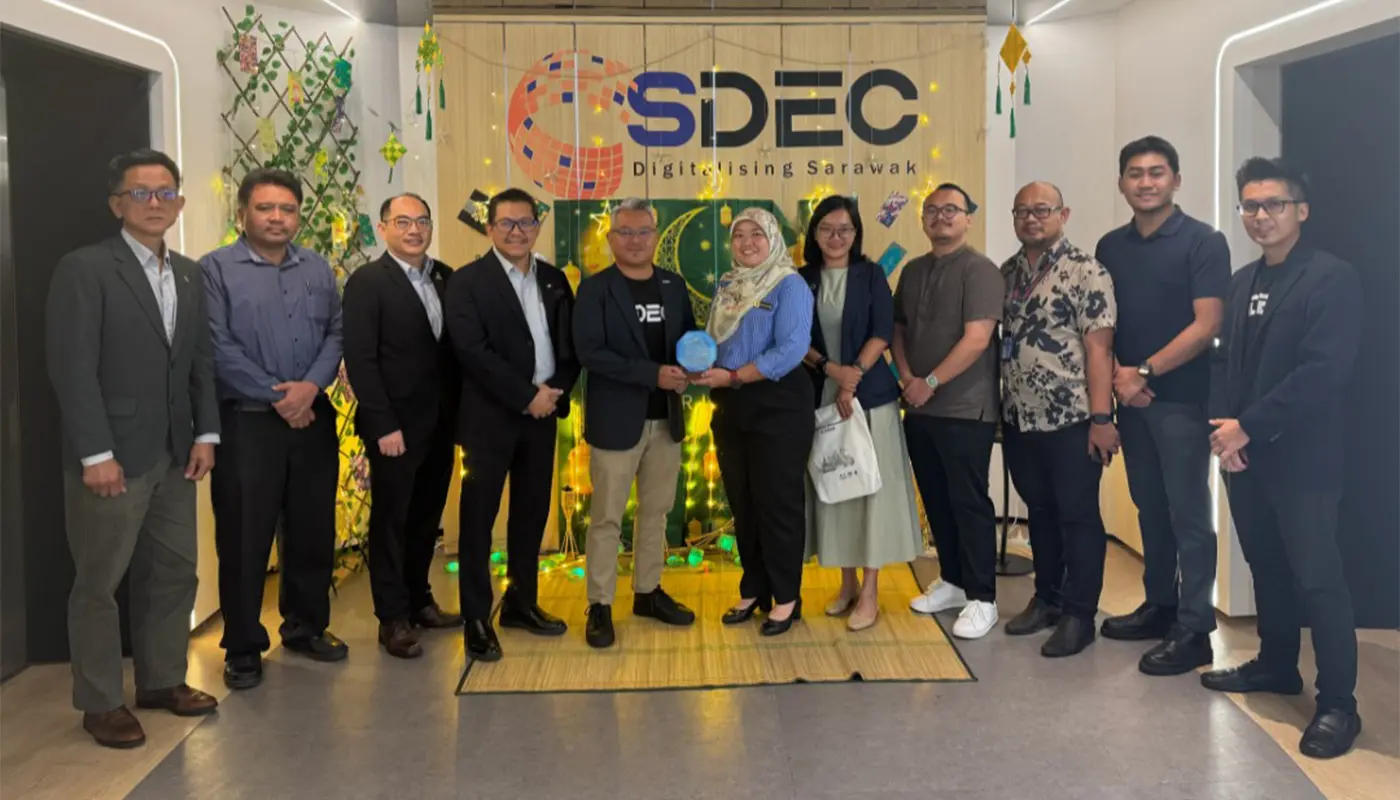
MIRI – Representatives from UN-Habitat, Miri City Council, and state agencies held a courtesy visit and strategic discussion with the Sarawak Digital Economy Corporation (SDEC) last week, focusing on the ASEAN Sustainable Urbanisation Strategy Project Phase II for Miri.

The meeting aimed to align priorities and coordinate technical inputs to support the development of Miri’s City Technical Proposal.
This proposal is expected to play a key role in shaping a stronger urban resilience strategy for the city, ensuring that future development is sustainable and inclusive.
The ASEAN Sustainable Urbanisation Strategy (ASUS) initiative seeks to provide cities across the region with frameworks to address rapid urbanisation challenges.
For Miri, the project represents an opportunity to strengthen infrastructure, enhance digital integration, and improve environmental sustainability while maintaining the city’s identity as a growing international resort destination.
Officials highlighted that the collaboration between UN-Habitat, SDEC, and local agencies is crucial in ensuring that Miri’s urban strategy is both technically sound and community-focused.
By pooling expertise, the project aims to deliver practical solutions that address housing, transport, energy, and digital economy needs.
The discussions also emphasised resilience planning, particularly in preparing Miri to adapt to climate change, economic shifts, and population growth.
Stakeholders agreed that a well-structured technical proposal would provide a roadmap for long-term development, balancing modernisation with environmental and social considerations.
The visit underscored the importance of partnerships between international organisations and local institutions in driving sustainable urbanisation.
With UN-Habitat’s global expertise and SDEC’s digital economy leadership, Miri is positioned to benefit from innovative strategies that can be replicated across other Sarawak cities.
As Phase II of the project moves forward, the outcomes are expected to contribute significantly to Sarawak’s broader development agenda, reinforcing the state’s commitment to building resilient, smart, and sustainable urban centres.
