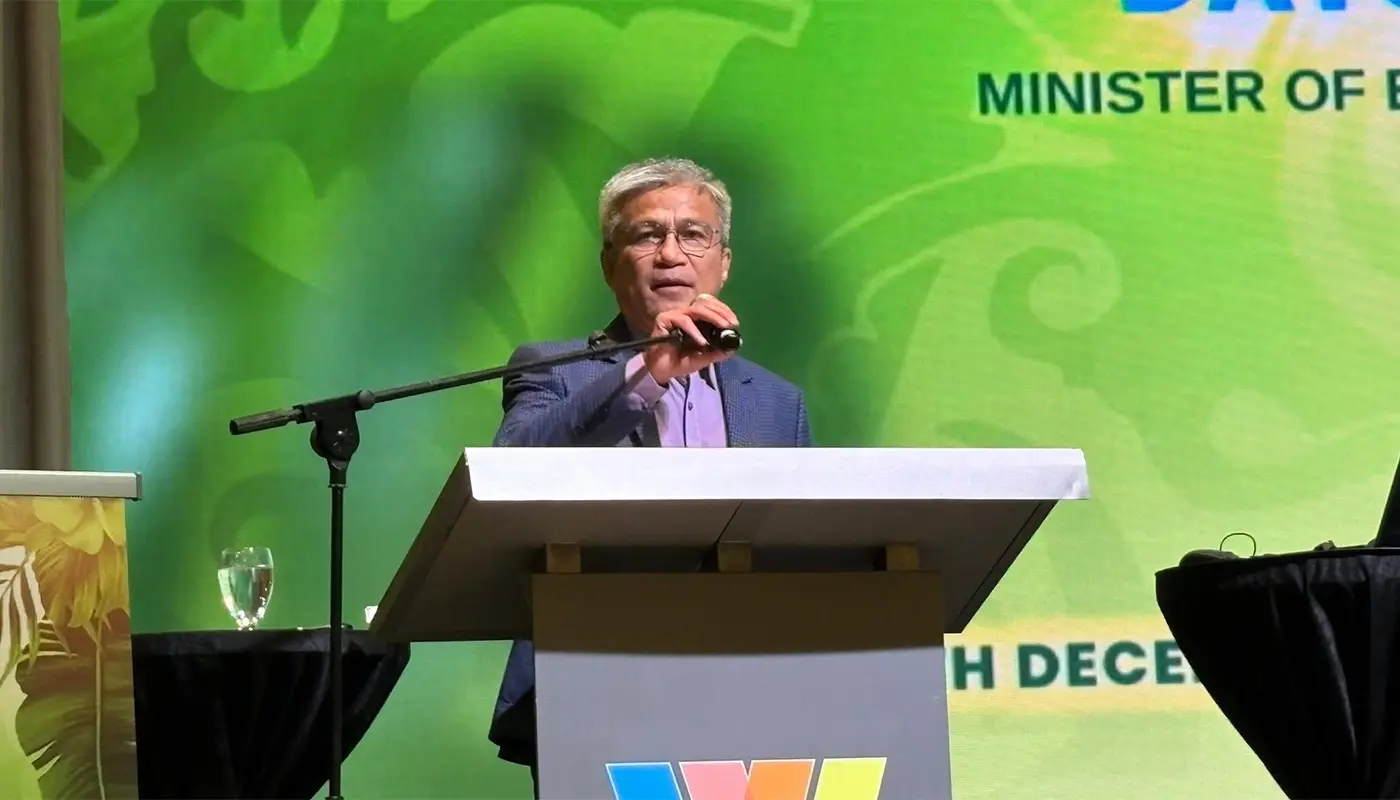
KUCHING – The shortage of schools and declining student numbers in rural Sarawak has prompted calls for inclusive and practical measures to safeguard the welfare of children and teachers.
Minister of Education, Innovation and Skills Development, Dato Sri Roland Sagah Wee Inn, highlighted the issue during the opening of the 11th Asia Pacific Conference on Exercise and Sports Science (APCESS 2025) in Kuching on Monday. His speech was delivered on his behalf by Deputy Minister I, Datuk Dr Sim Kui Hian Annuar Rapee.
According to the minister, Sarawak currently has around 1,200 primary schools. More than half of these institutions face shortages of up to 150 students, with some schools operating with as few as four or five pupils. This situation, he stressed, requires innovative approaches to ensure children in rural and upstream areas continue to benefit from education.

He emphasised that physical activities and sports should be integrated into school programmes as low-cost, accessible initiatives that can positively influence children’s health and well-being. “This is why physical activities are needed that are easy, low cost and practical, but can have a positive impact on the health and well-being of children,” he said.
Beyond student welfare, the minister underscored the importance of teacher well-being. He noted that reducing the number of examinations could help alleviate student anxiety, while also supporting teachers in creating a more conducive learning environment.

“The health, motivation and retention of teachers and students are linked to the goal of creating a conducive learning environment,” he explained. He added that teachers are now facing increasingly complex responsibilities, including adapting to digital teaching methods and supporting students in the aftermath of the pandemic.
The remarks come amid broader discussions on education reform in Sarawak, where rural communities often face challenges such as limited infrastructure, geographical isolation, and declining enrolment. Experts at APCESS 2025 echoed the importance of inclusive strategies, pointing out that sports and physical activities can serve as effective tools to bridge educational gaps and promote holistic development.
Education stakeholders have long argued that rural schools require tailored solutions rather than one-size-fits-all policies. The minister’s comments reflect growing recognition that both student and teacher welfare must be prioritised to sustain learning outcomes in challenging environments.
As Sarawak continues to address these issues, the emphasis on inclusivity and practicality is expected to shape future education policies, ensuring that rural children are not left behind in the state’s development agenda.