



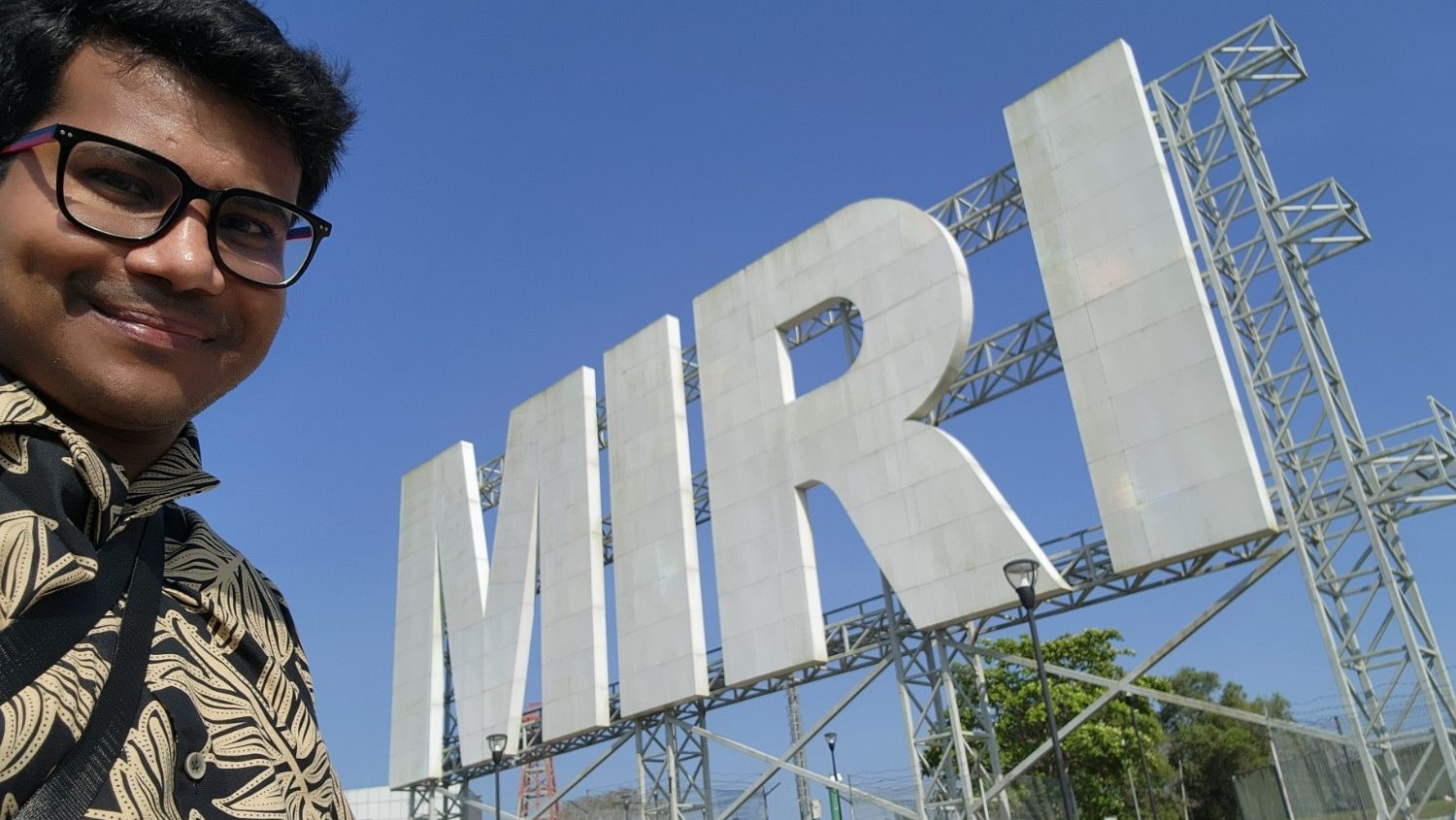
MIRI, SARAWAK — Miri continues to stand out as one of the most unique cities in the ASEAN region, offering a rare combination of coastal beauty and highland landscapes. From its sandy beaches to its nearby mountainous terrain, the city has long attracted visitors and investors alike, drawn by both its natural charm and strong economic foundation.

Historically, Miri’s growth has been closely linked to the oil and gas industry, which remains a key pillar of its economy today. The regular sight of vessels moving towards offshore platforms highlights the ongoing importance of this sector. For more than 100 years, oil exploration and production have played a central role in shaping not only Miri’s development but also contributing significantly to the wider economy of Malaysia since its formation in 1963.
One of the most significant landmarks reflecting this legacy is Canada Hill. Widely recognised as the birthplace of Malaysia’s petroleum industry, the hill is home to the country’s first oil well, known as the Grand Old Lady. Drilled in 1910 by Royal Dutch Shell, this historic site marked the beginning of Miri’s transformation from a modest fishing settlement into a thriving oil town. Today, Canada Hill remains a prominent symbol of that history, offering panoramic views of the city and serving as the location of the Petroleum Museum, which documents the early days of oil exploration in the region.
Beyond its industrial significance, Miri Division is also one of the largest administrative regions in Sarawak. With a population exceeding 400,000 people and supported by 789 community leaders under the KMKK structure, the division spans approximately 26,777.1 square kilometres. It comprises five districts, namely Miri, Subis, Marudi, Beluru and Telang Usan. The Miri District alone covers 4,707 square kilometres, while the city area measures about 997.43 square kilometres, reflecting the scale and importance of the region.
Despite its progress, residents are advised to remain alert to changing weather conditions, which have become increasingly unpredictable in recent times. Such awareness is important to ensure safety while preserving the city’s environment for future generations.
In conclusion, Miri continues to represent a balance between natural beauty and industrial heritage. Its landscapes, combined with a deep-rooted history in oil and gas, position the city as a key contributor to Sarawak’s identity and Malaysia’s economic journey.
