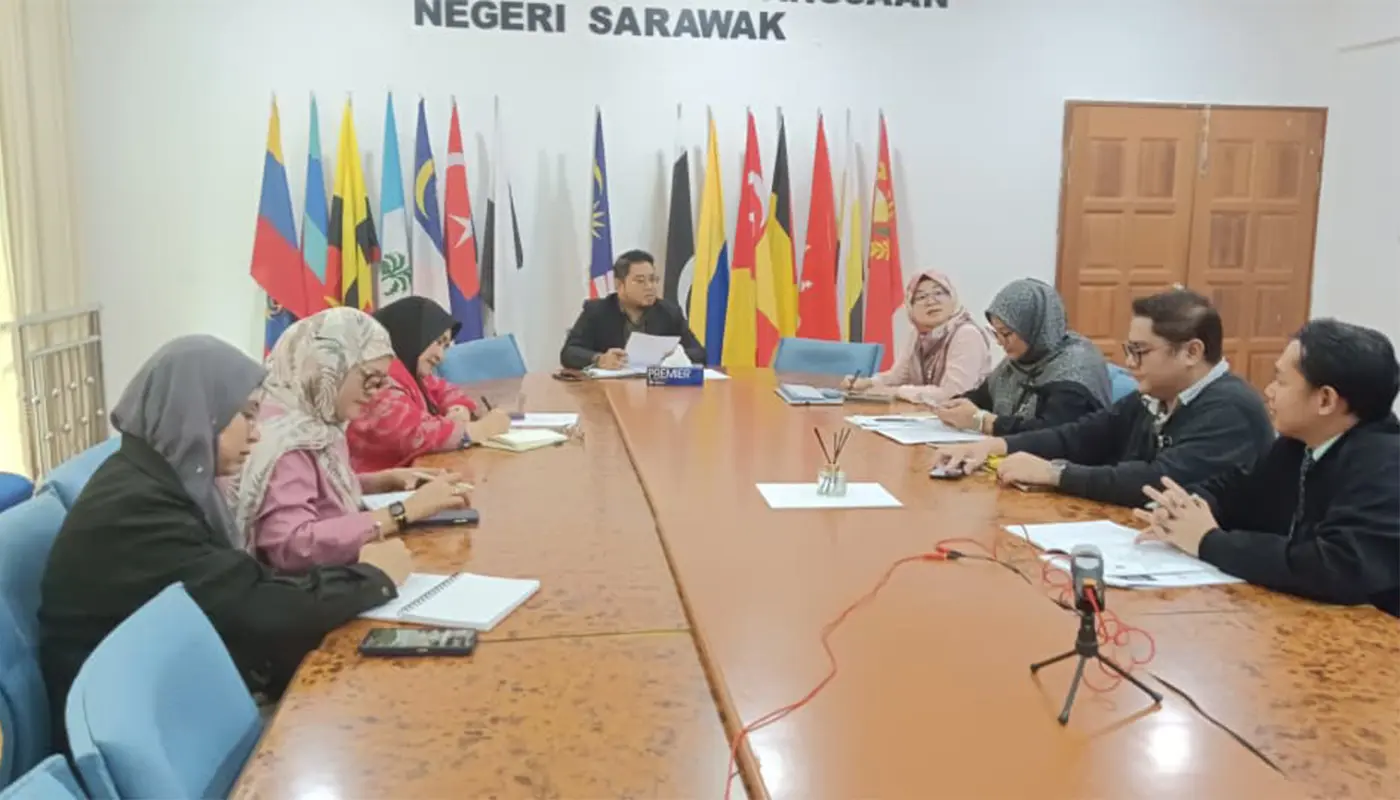
KUCHING – The Sarawak National Anti-Drug Agency (AADK) welcomed a courtesy visit from the Sarawak State Health Department on 23 February 2026, marking a significant step towards strengthening community-based recovery services. The delegation was led by Dr Nur Azimah binti Azman from the Non-Communicable Disease Control Section.
The meeting centred on enhancing collaboration between AADK and the One Stop Crisis Centre (OSCA) offices across districts. The initiative aims to provide comprehensive support for clients undergoing treatment and recovery, ensuring that health and social services are accessible throughout their rehabilitation journey.
Discussions highlighted the challenges faced by clients who often drop out of treatment programmes, particularly in areas related to infectious diseases, alcohol and cigarette dependency, and psychiatric care. Both agencies agreed that more structured and targeted programmes are essential to reduce relapse rates and improve long-term outcomes.
The Ministry of Health Malaysia has consistently emphasised its commitment to supporting vulnerable groups, including individuals struggling with substance abuse. By integrating health services with AADK’s recovery programmes, the government seeks to ensure that clients are not marginalised but instead receive holistic care that addresses both medical and social needs.
Dr Nur Azimah underscored the importance of coordinated planning, noting that recovery requires more than just medical intervention. “Clients need comprehensive support from various angles throughout their recovery process,” she said, stressing the need for collaboration across multiple sectors.
The OSCA framework has been instrumental in providing immediate assistance to individuals facing crises, including those with addiction-related issues. By linking OSCA’s services with AADK’s rehabilitation programmes, the agencies hope to create a seamless support system that reduces gaps in care.
This partnership also reflects broader national strategies to combat drug abuse, which include prevention, treatment, and reintegration into society. The government’s approach is designed to empower clients to rebuild their lives while also reducing the social and economic impact of addiction on communities.
The courtesy visit concluded with both parties expressing optimism that the collaboration would serve as a catalyst for more integrated healthcare services. The agreement is expected to pave the way for innovative programmes that combine medical treatment, counselling, and community support, offering clients a second chance at a healthier, drug-free life.
As Sarawak continues to strengthen its public health infrastructure, initiatives such as this highlight the importance of partnerships between government agencies. By working together, AADK and the Health Department aim to foster resilience within communities and ensure that recovery services are both accessible and effective.