Türkiye has reiterated its backing for the territorial integrity of Somalia and Yemen in a high-level diplomatic exchange with the United Arab Emirates.
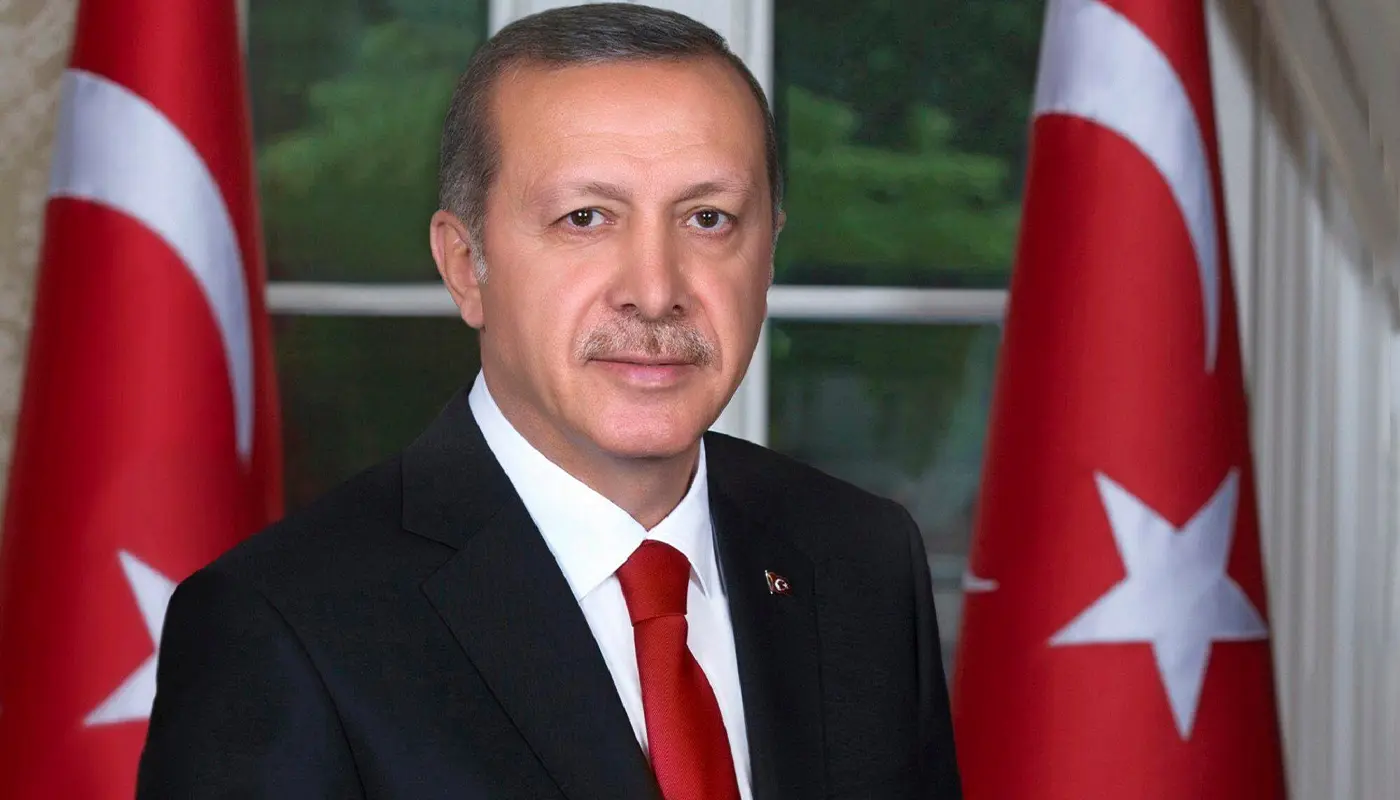
President Recep Tayyip Erdoğan spoke for the second time in two days with the UAE leader Mohammed bin Zayed Al-Nahyan, underscoring Ankara’s position on regional stability amid growing tensions in the Horn of Africa and the Arabian Peninsula.
According to the Turkish Presidency’s Communications Directorate, Erdoğan stressed that Türkiye firmly supports the unity of both Somalia and Yemen.
He proposed that Ankara could contribute to “efforts to restore stability” in the region, signalling a willingness to play a mediating role in ongoing disputes.
The Turkish leader also highlighted his country’s humanitarian initiatives in Gaza, calling for urgent steps to rebuild the enclave following months of devastation.
Erdoğan has consistently positioned Türkiye as a vocal advocate for Palestinian rights, and his remarks to the UAE leader reinforced Ankara’s broader regional agenda.
The diplomatic outreach comes against the backdrop of escalating tensions between Saudi Arabia and the UAE over Yemen.
Riyadh recently accused Abu Dhabi of encouraging the Southern Transitional Council (STC) to launch military operations along the Saudi border in Hadhramaut and Mahra. The UAE has denied the allegations, but the dispute has exposed divisions among Gulf allies.
The STC, which is backed by the UAE, argues that successive Yemeni governments have marginalised southern regions politically and economically.
It has long called for secession, a demand rejected by Yemen’s internationally recognised authorities, who insist on preserving the country’s unity.
Yemen’s north and south formally unified on 22 May 1990 to establish the Republic of Yemen, but the issue of southern autonomy has remained a source of instability ever since.
Türkiye’s intervention reflects its growing interest in the Horn of Africa and Arabian Peninsula, regions where Gulf states have sought influence through military, economic, and political means.
By aligning itself with the principle of territorial integrity, Ankara appears to be positioning itself as a stabilising actor amid shifting alliances and rivalries.
Analysts note that Erdoğan’s repeated calls to the UAE leader suggest Ankara is keen to prevent further fragmentation in Somalia and Yemen, both of which face internal divisions and external pressures.
Whether Türkiye’s diplomatic overtures will ease tensions remains uncertain, but the move underscores Ankara’s ambition to play a more prominent role in regional security and mediation.
Sources: Daily Sabah, Al Jazeera, Arab News, Middle East Monitor