



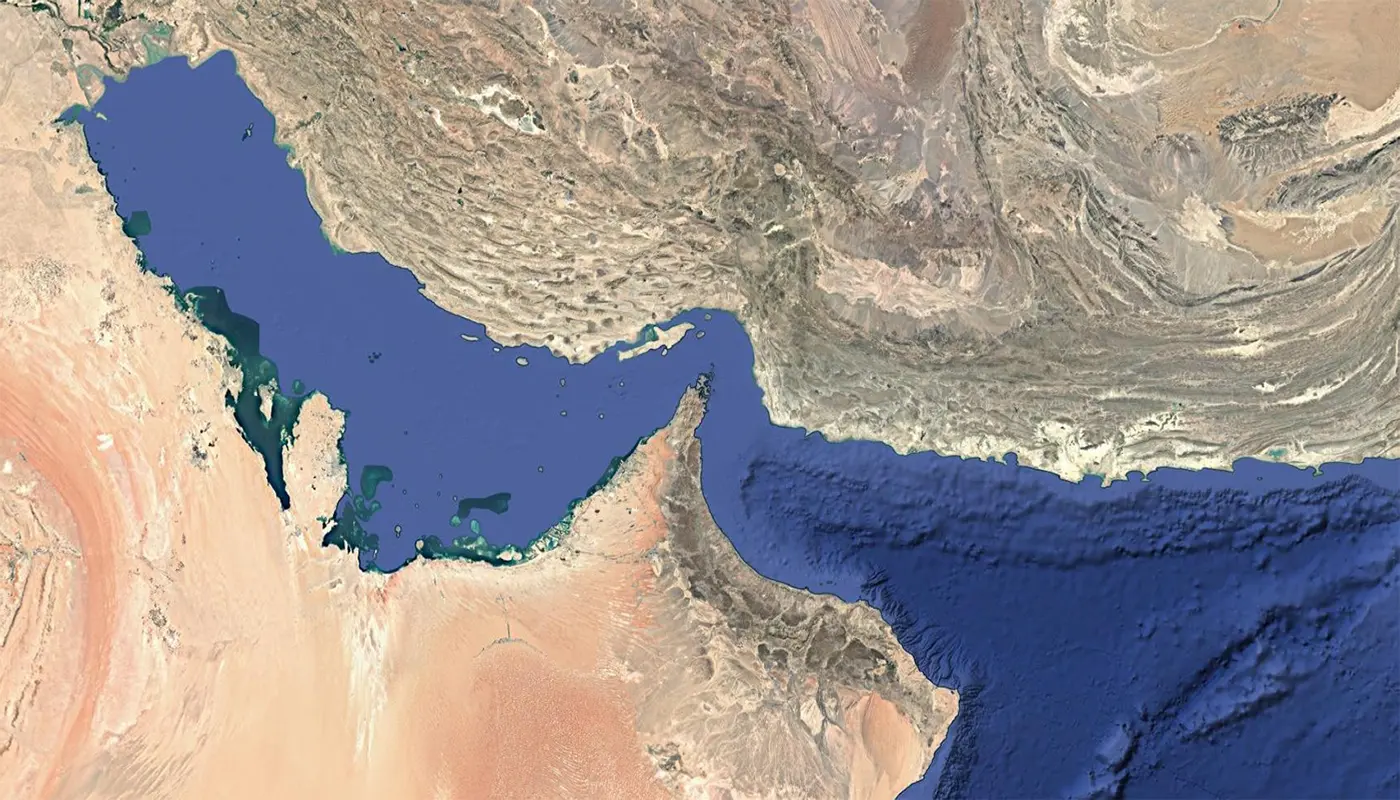
The United States military has confirmed that six merchant vessels were ordered to turn back during the first day of a naval blockade targeting Iranian ports and coastal waters.

The operation, announced after peace talks collapsed, is being enforced across the Persian Gulf and Gulf of Oman.
Officials stated that no ships attempted to breach the blockade within the first 24 hours. The directive applies to all vessels heading to or departing from Iranian ports, regardless of nationality.
According to the US Central Command, more than 10,000 personnel, supported by warships and aircraft, are engaged in maintaining the restrictions.
The military emphasised that the blockade is impartial, applying equally to ships of all nations. A notice issued to seafarers warned that unauthorised entry or departure from the restricted area could result in interception or capture. Humanitarian shipments, including food and medical supplies, are permitted but subject to inspection.
The decision to impose the blockade followed the breakdown of negotiations aimed at ending the six-week-long conflict involving the US, Israel, and Iran.
Oil prices briefly surged above 100 dollars per barrel before easing, reflecting market uncertainty. Analysts have cautioned that the blockade represents a significant escalation and could provoke retaliation from Tehran.
The United Kingdom Maritime Trade Operations agency confirmed that neutral vessels already docked in Iranian ports were granted a grace period to leave.
However, the restrictions have raised concerns about the Strait of Hormuz, a critical passageway for nearly one-fifth of global oil and gas shipments.
Iran’s threats to shipping have already contributed to a sharp rise in energy prices, with oil costs climbing by around 50 per cent since the conflict began in late February.
The blockade adds further pressure to global markets, while questions remain about how long the restrictions will remain in place.
US officials clarified that the Coast Guard is not currently involved in the enforcement, as its vessels previously stationed in the Middle East were redeployed to Asia earlier in the war.
Military strikes have weakened Iran’s conventional forces, but experts note that Tehran has emerged from the conflict with a more hardline leadership and a concealed stockpile of enriched uranium, complicating Washington’s strategic position.
The blockade underscores the fragile state of regional security and highlights the risks to international trade routes.
Observers warn that prolonged enforcement could strain diplomatic efforts and deepen instability across the Gulf.
