



KUCHING – Malaysia’s leadership has emphasised the need for resilience and foresight as the nation navigates intensifying global economic challenges in 2026.

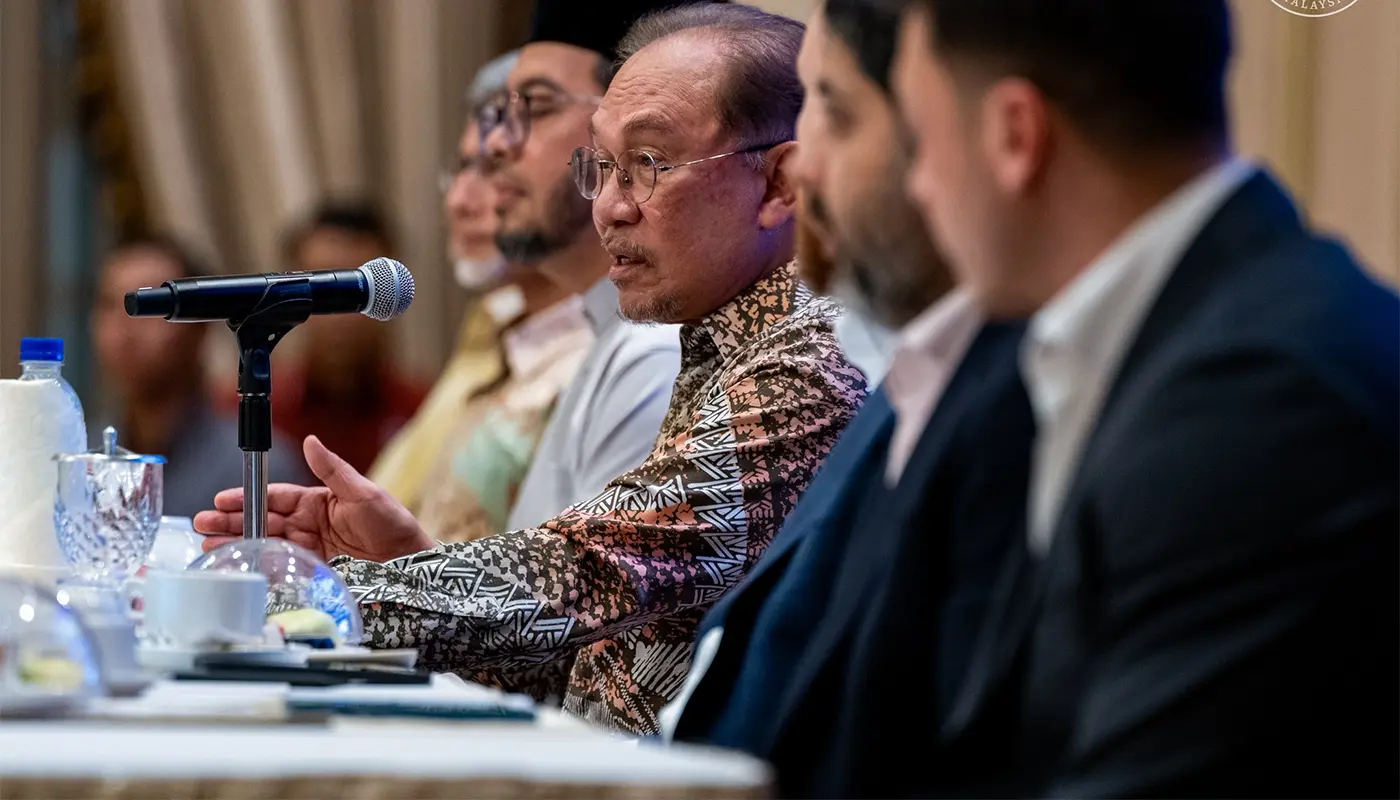
Speaking at the Malaysian Scientists Forum MADANI Series 11, Prime Minister Datuk Seri Anwar Ibrahim highlighted that while many external pressures are beyond Malaysia’s control, the government must remain adaptable in managing immediate risks and charting a sustainable long-term course.
Global growth is expected to moderate this year, with forecasts placing Malaysia’s GDP expansion between 3.8% and 4.5%, depending on domestic demand and external conditions.
Analysts from OCBC and Kenanga Investment Bank note that US tariffs, China’s slowdown, and geopolitical instability remain key drags on trade, though strong tourism flows and steady labour conditions continue to support Malaysia’s economy.
Fuel subsidies remain a pressing issue. Malaysia has maintained RON95 petrol prices among the lowest globally, capped at RM1.99 per litre for citizens. However, this policy carries heavy fiscal costs, with subsidies projected to reach RM6–7 billion monthly.
The government has introduced quota limits of 200 litres per month under the Budi95 scheme, aiming to reduce leakage and misuse.
Savings of up to RM2.5 billion are anticipated in 2026, though economists warn that subsidy reforms must be carefully balanced to avoid burdening households.
Anwar stressed that Malaysia’s economic management must be strategic and focused, strengthening the ability to anticipate and withstand risks.
He noted that while fiscal consolidation is underway, the government must remain cautious in subsidy reforms and monetary policy to safeguard livelihoods.
Beyond economics, Anwar underscored the importance of unity in facing global crises. He argued that solidarity among Muslims is no longer optional but essential, rooted in justice and universal values.
“Differences are inevitable in any society, but what matters is how we manage them,” he said, urging policies that oppose oppression and defend the rights of the vulnerable, particularly Palestinians.
Malaysia has consistently voiced strong support for Palestine at international platforms, including the United Nations and the International Court of Justice.
Recent engagements with Palestinian representatives reaffirmed Malaysia’s commitment to humanitarian aid and diplomatic advocacy.
The government continues to call for an immediate ceasefire and recognition of Palestine as a full UN member state.
As Malaysia confronts economic turbulence, the government’s dual focus on fiscal prudence and moral responsibility reflects its broader MADANI framework.
The approach seeks not only to stabilise the economy but also to uphold justice and solidarity, ensuring that Malaysia’s development remains inclusive and principled.
