



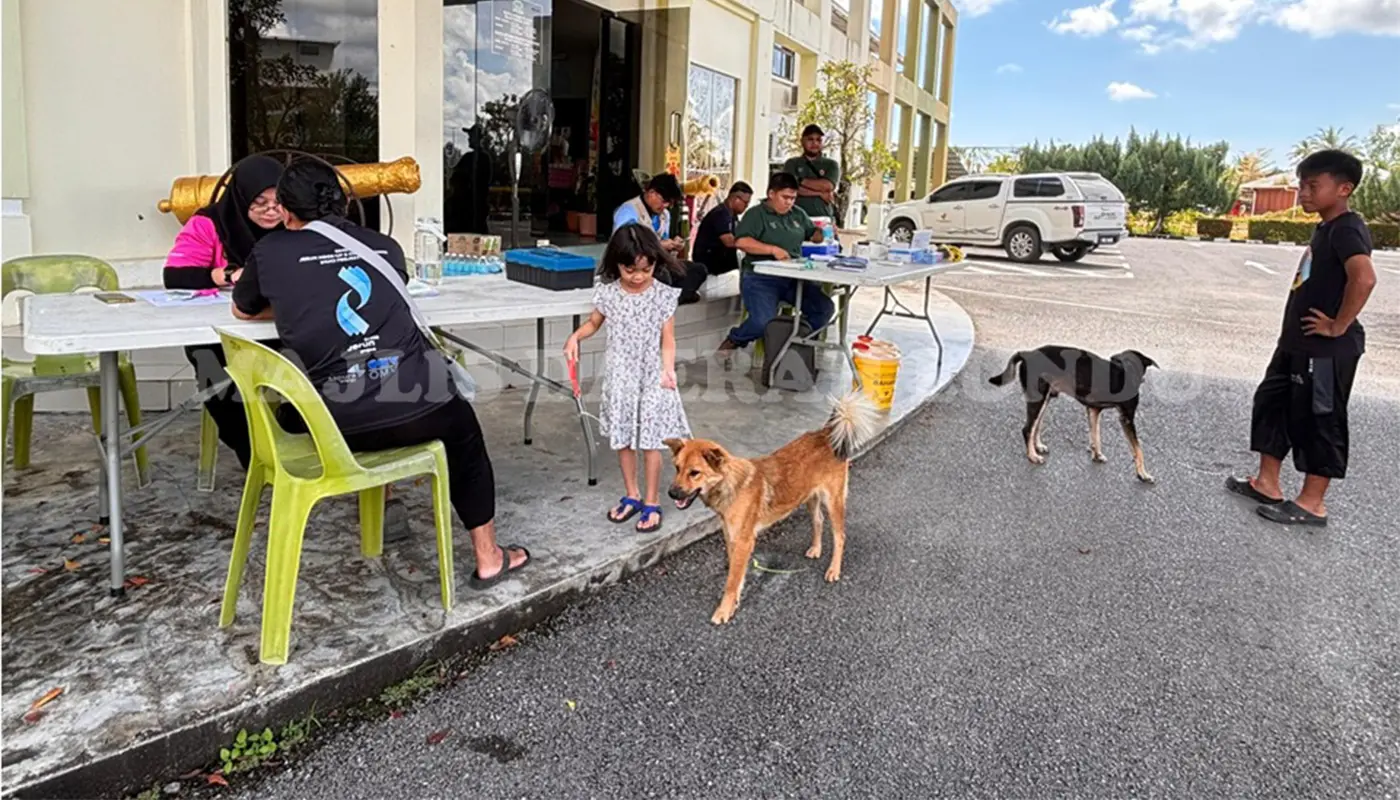
LUNDU – The Lundu District Council successfully organised a comprehensive anti‑rabies vaccination, microchipping, and licensing programme on 16 May, drawing strong participation from local residents and pet owners.

The initiative aimed to protect dogs from rabies and other dangerous diseases, while also reducing the risk of transmission to humans and other animals.
Veterinary officers and council staff worked throughout the day to administer vaccines, implant microchips, and issue licences, ensuring that pets were properly registered and safeguarded.
Organisers expressed appreciation to the community for their encouraging response, noting that the turnout reflected growing awareness of the importance of animal health and public safety.
The programme also reinforced the message that responsible pet ownership plays a vital role in preventing outbreaks and maintaining harmony within the district.
Pet owners were reminded of several key responsibilities:
- Keep vaccinations updated to protect against rabies and other diseases.
- Maintain hygiene and health through regular care and monitoring.
- Prevent unsupervised roaming to reduce risks to both animals and the wider community.
The council highlighted that these measures not only protect individual pets but also contribute to the overall safety of residents.
Rabies, a fatal viral disease, remains a public health concern in Sarawak, and vaccination campaigns are critical in controlling its spread.
The programme was made possible through the dedication of veterinary officers, council staff, and supporting agencies.
Their efforts ensured smooth operations and provided reassurance to the public that proactive steps are being taken to safeguard both animals and people in Lundu.
Community leaders praised the initiative, describing it as a noble effort that strengthens cooperation between authorities and residents.
They expressed hope that similar programmes will continue regularly, reinforcing the district’s commitment to animal welfare and public health.
As Lundu positions itself as a natural beach destination, initiatives like this highlight the district’s broader vision of combining community well‑being with sustainable development.
By prioritising safety and responsibility, the council aims to create a healthier environment for both residents and visitors.
