



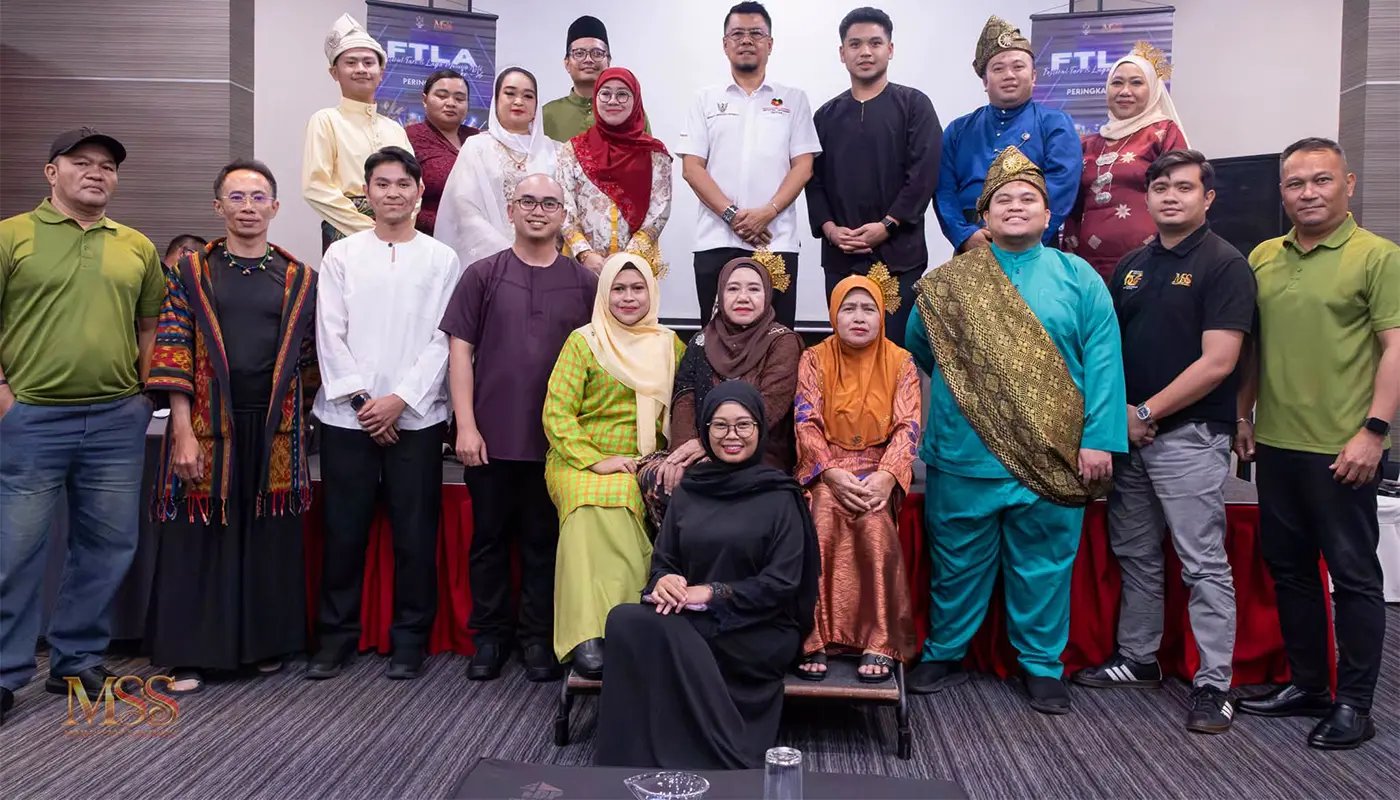
SIBU – A Traditional Malay Song Singing Workshop was successfully held at Tanahmas Hotel, Sibu, on 14 July 2026, in conjunction with the 36th Traditional Malay Song and Dance Festival (FTLA). The event was organised by the Sarawak Arts Council and aimed at nurturing appreciation and skills in traditional Malay vocal performance.
The workshop was conducted by Puan Siti Azliyani Jasin, who guided 15 participants of varying ages through a series of sessions focused on vocal techniques, song delivery, and the cultural significance of traditional Malay singing. Her approach combined practical exercises with discussions on the artistry and heritage embedded in Malay music.
Participants were introduced to methods of controlling voice projection, mastering rhythm, and enhancing emotional expression in performance. These skills are considered essential for preserving the authenticity of traditional Malay songs, which have long been a cornerstone of Malaysia’s cultural identity.
Organisers highlighted that the workshop was not only about technical training but also about instilling a deeper appreciation for the art form. By engaging younger generations, the programme seeks to ensure that traditional Malay singing continues to thrive despite modern influences and changing cultural landscapes.
The FTLA festival, now in its 36th edition, has consistently served as a platform to celebrate and preserve Malay performing arts. The inclusion of workshops such as this reflects the festival’s broader mission to combine performance with education, ensuring that cultural traditions are passed down effectively.
Participants expressed enthusiasm about the opportunity to learn from an experienced instructor. Many noted that the workshop provided valuable insights into techniques they had not previously encountered, and they were eager to apply these lessons in future performances.
The Sarawak Arts Council emphasised that initiatives like this are vital in sustaining cultural heritage. By equipping individuals with the skills to perform and appreciate traditional Malay songs, the council hopes to inspire continued interest and participation in the art form.
Officials also pointed out that traditional Malay singing is more than just an artistic practice; it is a cultural expression that reflects values, history, and community identity. Preserving it is therefore seen as a responsibility shared by both institutions and individuals.
The workshop concluded with a renewed sense of commitment among participants to carry forward the legacy of traditional Malay music. Organisers expressed hope that similar programmes will continue to be held across Sarawak, ensuring that the art remains vibrant and accessible to all.
As the FTLA festival continues, the success of the workshop stands as a testament to the importance of combining cultural celebration with practical education. It reinforces the idea that heritage preservation requires active participation and creative innovation.
