



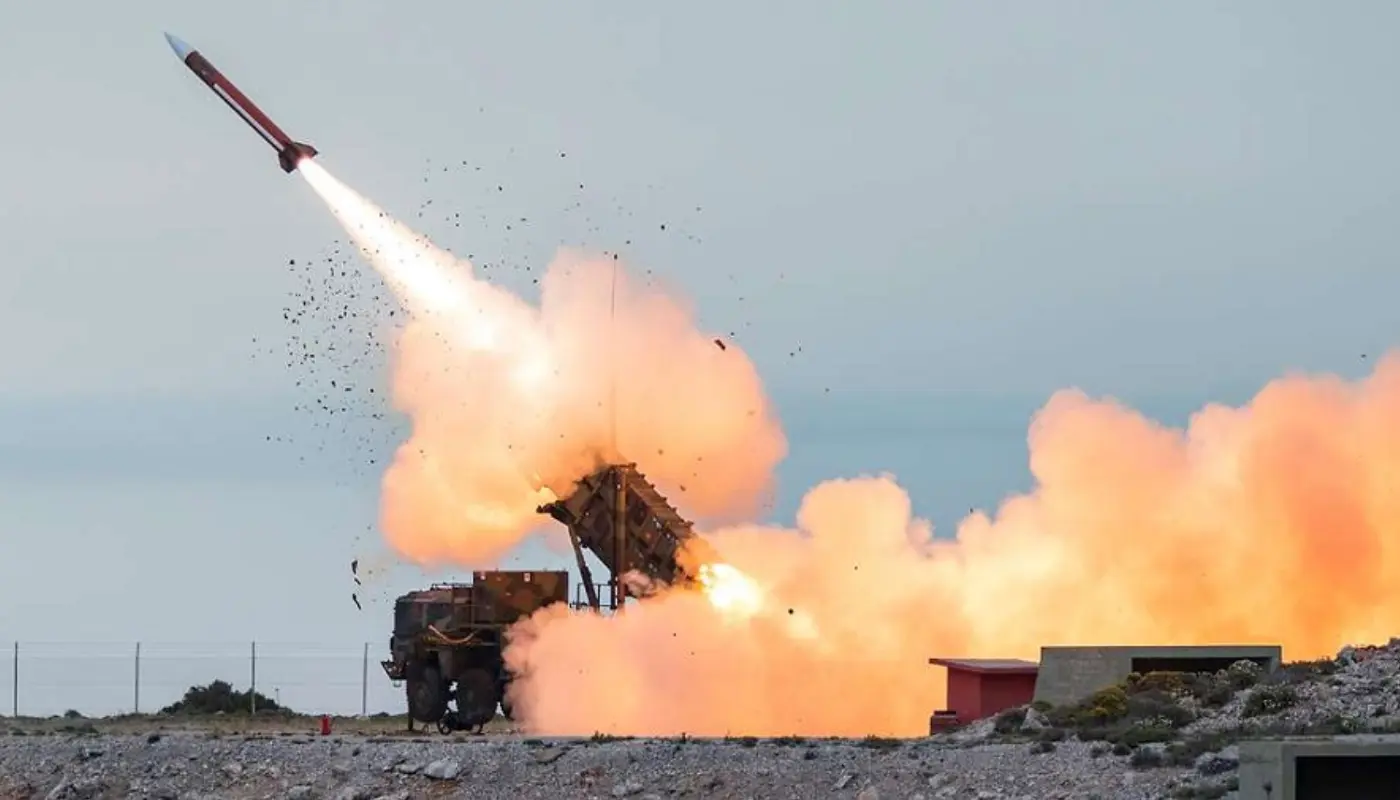
BEIJING – China has announced the deployment of a working prototype missile defence system claimed to offer planet-wide tracking and early warning capability, marking what analysts describe as a major step in global threat management.

The system, dubbed the “distributed early warning detection big data platform”, integrates sensors and data sources across space, sea, air, and land.
Its developers assert that it can monitor up to 1,000 missile launches directed at China from any point on Earth.
According to reports, the prototype has been tested and is now in use by the People’s Liberation Army (PLA), though it remains at an early stage of development.
Scientists behind the initiative say the system’s architecture is “physically dispersed, logically unified,” meaning it draws together heterogeneous data from multiple platforms, including older, regional systems, without requiring replacement of all existing components.
Key details describe its ability to combine real-time inputs to assess missile flight paths, discriminate between actual warheads and decoys, and transmit data through secure, bandwidth-limited military networks even under conditions of interference.
This announcement comes as the United States’ proposed Golden Dome missile defence initiative remains in planning phases, with U.S. officials yet to finalise its technical design or fully implement its data-flow architecture.
Some analysts caution that while the prototype is technologically ambitious, significant challenges remain. These include scaling the system for reliability, ensuring resilience against cyber or electronic warfare, and maintaining accuracy when distinguishing real threats from false alarms.
Furthermore, deployment, maintenance, command-and-control, and integration with existing defence infrastructure will be central hurdles.
In strategic terms, China’s move is seen by experts as intensifying the global missile defence competition, especially as nations evaluate how such systems influence international stability and the risks of arms escalation.
