



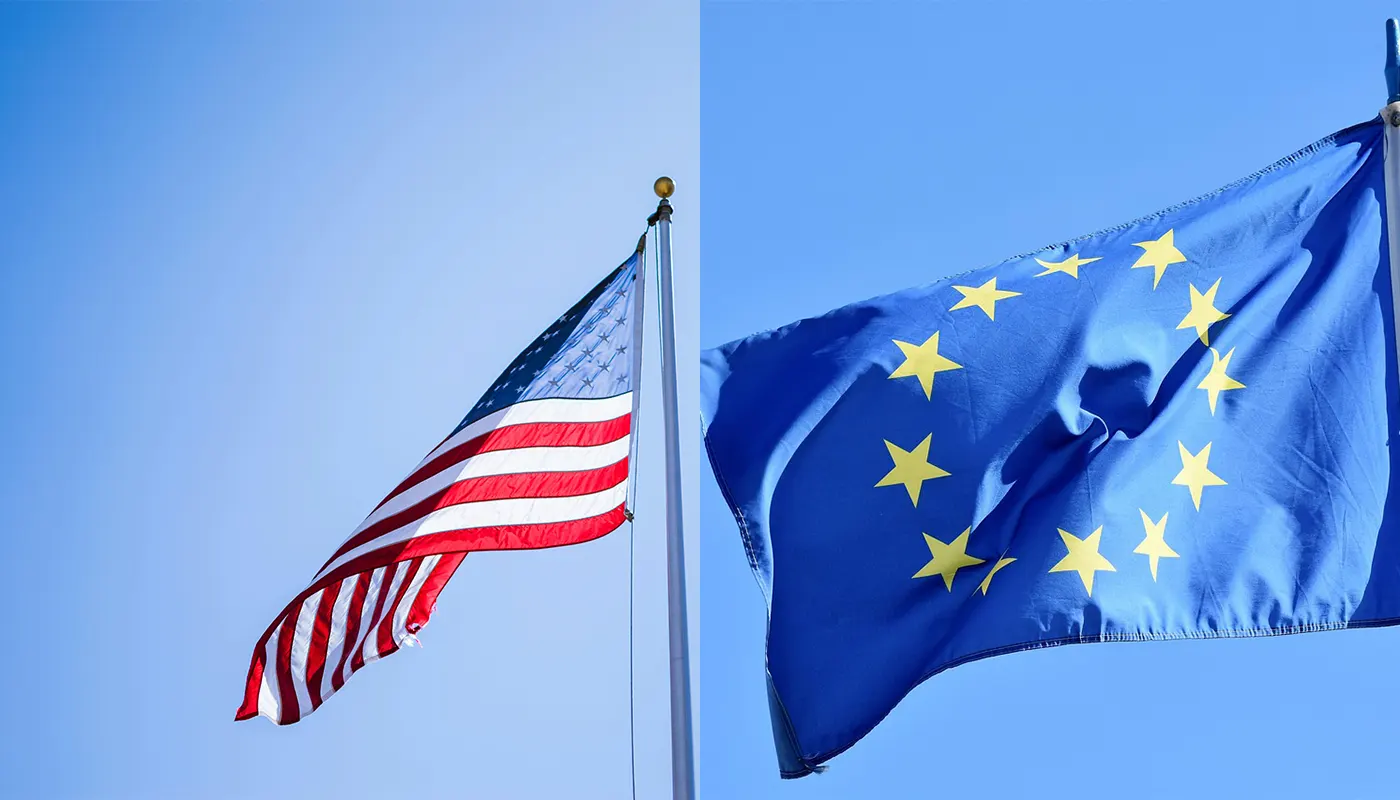
BRUSSELS — The European Union braces for the enforcement of 15% U.S. tariffs on the majority of its exports—a compromise deal reached with the U.S. that halves the initially proposed 30% levy but still marks a historic uptick in trade barriers between major economies.

From August 1 onward, goods including autos, pharmaceuticals, and semiconductors shipped from EU member states will face a baseline tariff of 15%, while tariffs on steel, aluminium, and copper remain at 50%. The U.S. trade framework exempts certain categories such as aircraft parts and cork—but notably excludes wine and spirits, which are set to incur the full duties, potentially hitting exports by up to 30% when combined with currency shifts.
EU reaction has been mixed: German Chancellor Friedrich Merz welcomed the deal as averting a costly trade war, particularly for automotive-heavy Germany. French leaders were more critical—PM François Bayrou described it as a “dark day” for the EU, while Spain and Hungary voiced concern over capitulation in negotiations.
Brussels officials reaffirm EU willingness to continue talks but also announced readiness for countermeasures. Retaliatory tariffs affecting up to €93 billion of U.S. imports are prepared and ready to be implemented as early as August 7 if a durable deal isn’t finalized by then.
In parallel, the bloc has activated its Anti‑Coercion Instrument—a regulatory “trade bazooka”—to potentially target U.S. services, investment and procurement access if economic coercion continues.
EU pharmaceutical groups have warned that the 15% duty on medicines violates long-standing WTO rules guaranteeing tariff-free trade in pharmaceuticals, arguing the policy risks disrupting supply chains and constraining R&D investment.
Analysts see the deal as asymmetrical—while it defuses the threat of a full-scale trade war, it burdens European exporters with tariffs far higher than their historical average (about 1–2%) and increases bureaucracy and uncertainty.
Businesses across the EU have already begun reshaping logistics and supply chains in response, highlighting rising complexity in transatlantic commerce.
As negotiations continue into the autumn, the EU faces a delicate balancing act: preserving access to the U.S. market while defending its economic sovereignty and preparing to wield countermeasures if needed.
