



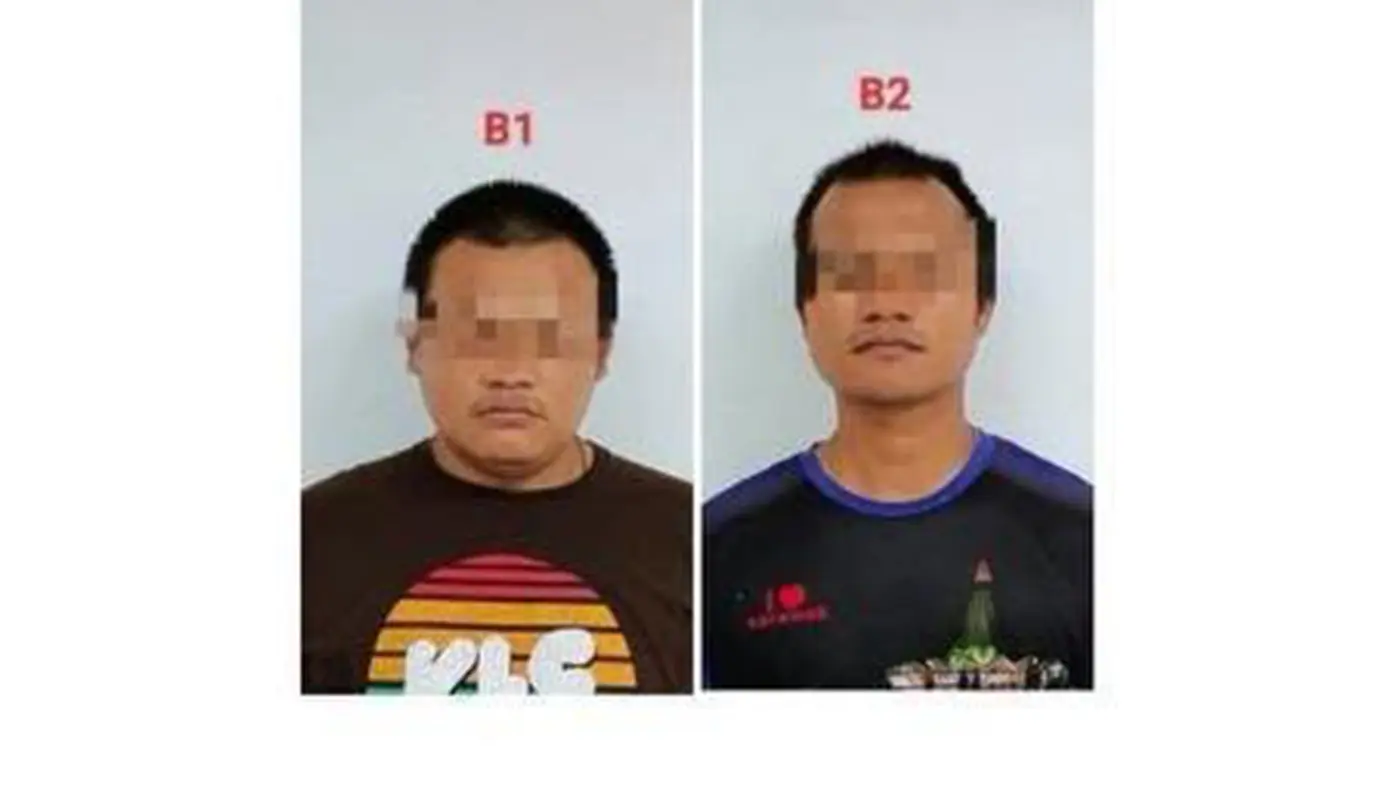
BAU – Law enforcement officers in the Bau district have detained two individuals following a targeted operation against illicit substance abuse. The arrests took place on the morning of 31 July 2026, marking another step in the ongoing efforts by local authorities to curb narcotics-related activities in the region.

The operation was conducted between 11:00 am and 11:30 am along the roadside in Kampung Opar, a residential area within the Bau district. Officers from the Narcotics Criminal Investigation Division, working in conjunction with members of the Bau District Police Headquarters, identified and apprehended the suspects during the routine patrol.
According to official statements released by the Bau District Police Chief, the two men are believed to be in their late twenties and early thirties, with ages ranging between 27 and 30 years old. They were taken into custody on suspicion of involvement in drug consumption, a serious offence under Malaysian law.
Following their detention, both individuals underwent initial urine screening tests at the police facility. The results confirmed the presence of illegal substances in their systems, leading to their formal arrest. The charges were filed under specific sections of the Dangerous Drugs Act 1952, which provides the legal framework for prosecuting drug-related offences in Malaysia.
The police force has reiterated its zero-tolerance stance towards drug abuse and trafficking. Authorities emphasised that any individual found engaging in such activities would face strict legal consequences. This recent action underscores the commitment of the Royal Malaysia Police (PDRM) to maintain public safety and order within the community.
In light of this incident, the police have encouraged members of the public to remain vigilant and report any suspicious activities related to drug use or distribution. Community cooperation is viewed as a vital component in the fight against narcotics, as it enables law enforcement to act swiftly on credible intelligence.
Residents who possess information about drug-related crimes can provide tips through dedicated hotlines established for this purpose. The Bukit Aman JSJN hotline is available at 012-208-7222, while the Sarawak IPK JSJN hotline can be reached at 017-592-9211. These channels allow citizens to contribute anonymously to ongoing investigations, ensuring their safety while assisting authorities.
The Bau district, located in the western part of Sarawak, has seen various initiatives aimed at reducing crime rates and improving community welfare. Local police leadership continues to prioritise operations that target high-risk areas and individuals involved in criminal networks. The recent arrest in Kampung Opar serves as a reminder that law enforcement remains active and responsive to emerging threats.
Drug abuse remains a significant social challenge across many parts of Malaysia, affecting not only individuals but also families and communities. The government has implemented various rehabilitation and prevention programmes alongside enforcement measures to address the root causes of addiction. However, punitive actions against offenders continue to be a primary tool in deterring potential users and suppliers.
The identities of the two suspects have not been disclosed to protect their privacy during the ongoing legal process. They are expected to face court proceedings in the near future, where further details about the case may emerge. The police have indicated that investigations are still underway to determine if there are wider networks involved in the supply chain.
Community leaders in Bau have generally supported the police efforts, acknowledging the importance of maintaining a drug-free environment. Local residents are urged to stay informed and participate in neighbourhood watch schemes that can help identify unusual behaviour or gatherings that may indicate illicit activities.
As the case progresses, the Bau District Police Headquarters will continue to monitor the situation closely. The successful execution of this operation demonstrates the effectiveness of coordinated efforts between different units within the police force. It also highlights the value of timely intelligence and proactive policing in preventing crime before it escalates.
The public is reminded that reporting crime does not require direct confrontation with suspects. Instead, providing accurate information through official channels ensures that professionals can handle the situation appropriately. This approach minimises risk to civilians while maximising the chances of successful intervention by law enforcement agencies.
