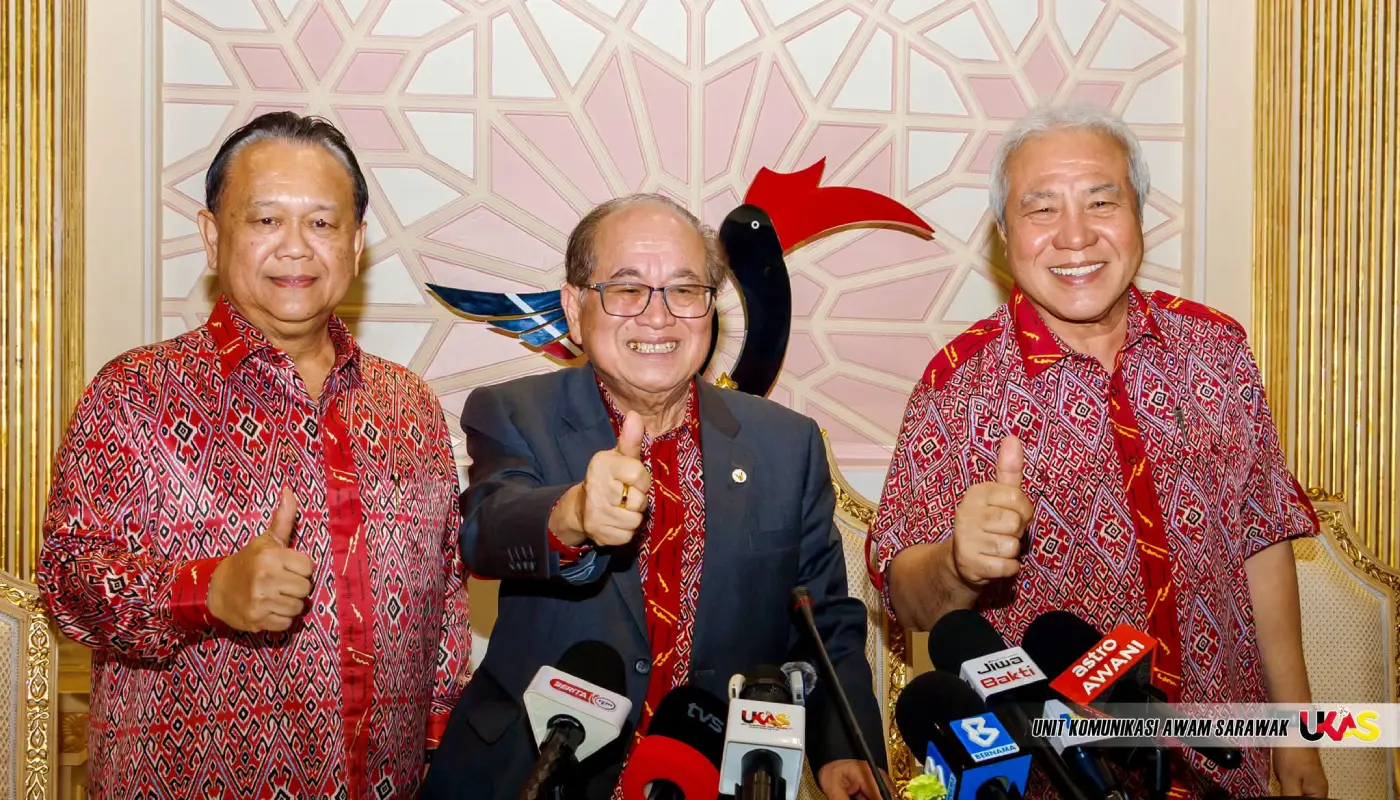
BINTULU – Safety awareness and disaster preparedness training should be strengthened among the public, particularly rural communities, to help people respond effectively to emergencies and reduce the risk of preventable accidents, Sarawak Minister of Food Industry, Commodity and Regional Development (caretaker capacity) Dato Sri Dr Stephen Rundi Utom said.
He said safety education should begin at an early age and become part of everyday life, rather than being introduced only after an accident or disaster has occurred.

Building public awareness, he added, requires consistent efforts to help communities recognise potential hazards and understand the appropriate preventive measures.
Speaking at the opening of the MLNG Health, Safety and Environment (HSE) Community Programme: Preventing Industrial Accidents ITP 2026 in Bintulu on Tuesday, Dr Stephen said responsibility for safety extended beyond individual agencies and required wider community participation.

“Safety is not just about physical things. Safety covers everything, including how we live, especially in the city, and how we avoid accidents,” he said.
His remarks highlighted the importance of incorporating safety practices into daily routines, including identifying hazards at home, in public spaces and within the surrounding environment.
Awareness of potential risks, coupled with practical knowledge of how to respond, can help people make better-informed decisions during emergencies.
Dr Stephen also urged members of the public to understand the specific dangers that could arise in their respective areas. He identified fire safety as an important consideration, particularly for villagers who need to know how to respond when a fire breaks out.
For rural communities, preparedness includes recognising possible sources of danger and understanding the actions required when an emergency occurs.
Familiarity with basic safety procedures can help residents respond more appropriately while awaiting assistance from the relevant emergency services.
The minister’s call placed community education at the centre of broader efforts to prevent accidents. While emergency agencies play an important role in responding to incidents, public knowledge and awareness can also contribute to reducing exposure to risks and improving readiness before an incident takes place.
The MLNG HSE Community Programme, titled Preventing Industrial Accidents ITP 2026, provided the setting for the discussion on safety education and accident prevention.
Its stated focus on health, safety and the environment also brought attention to the importance of communicating safety practices beyond industrial settings and into the wider community.
For communities in and around Bintulu, understanding local hazards and knowing how to respond to incidents such as fires remain important aspects of preparedness.
Clear information and regular opportunities to learn about safety procedures can help residents better understand their responsibilities and the precautions relevant to their surroundings.
Also present at the programme were Bintulu Resident Datu Nyurak Keti and Sarawak Agriculture Office director Datu Dominic Chunggat.
Dr Stephen’s remarks underscored the need for safety awareness to be treated as an ongoing responsibility shared by individuals, communities and relevant agencies, rather than a measure introduced only in response to an emergency. — Sarawak Daily