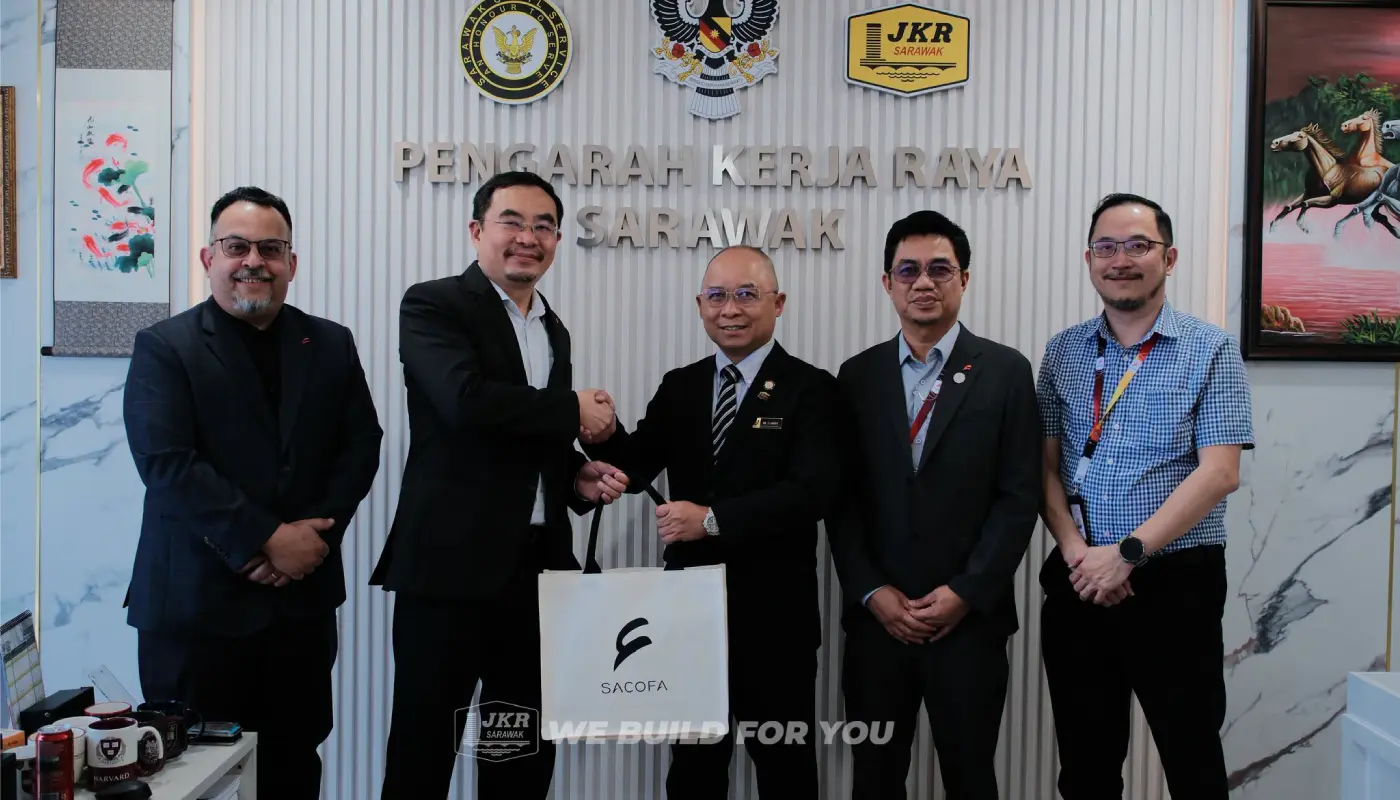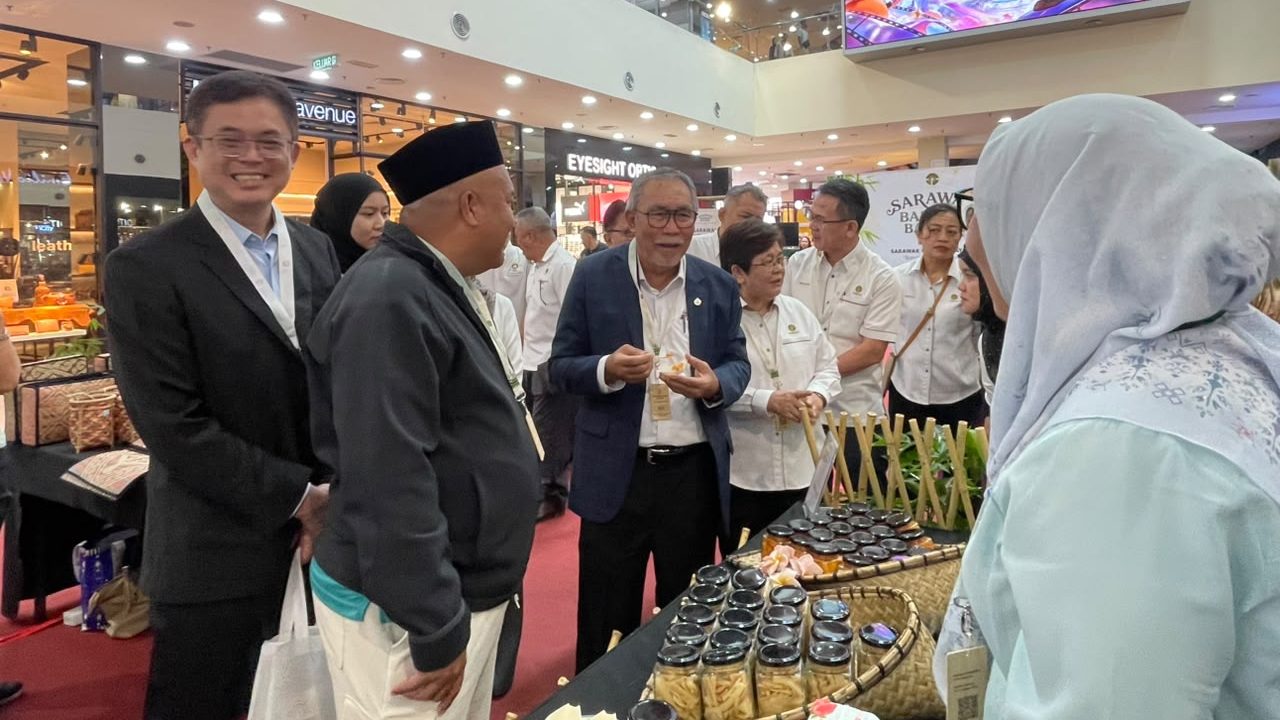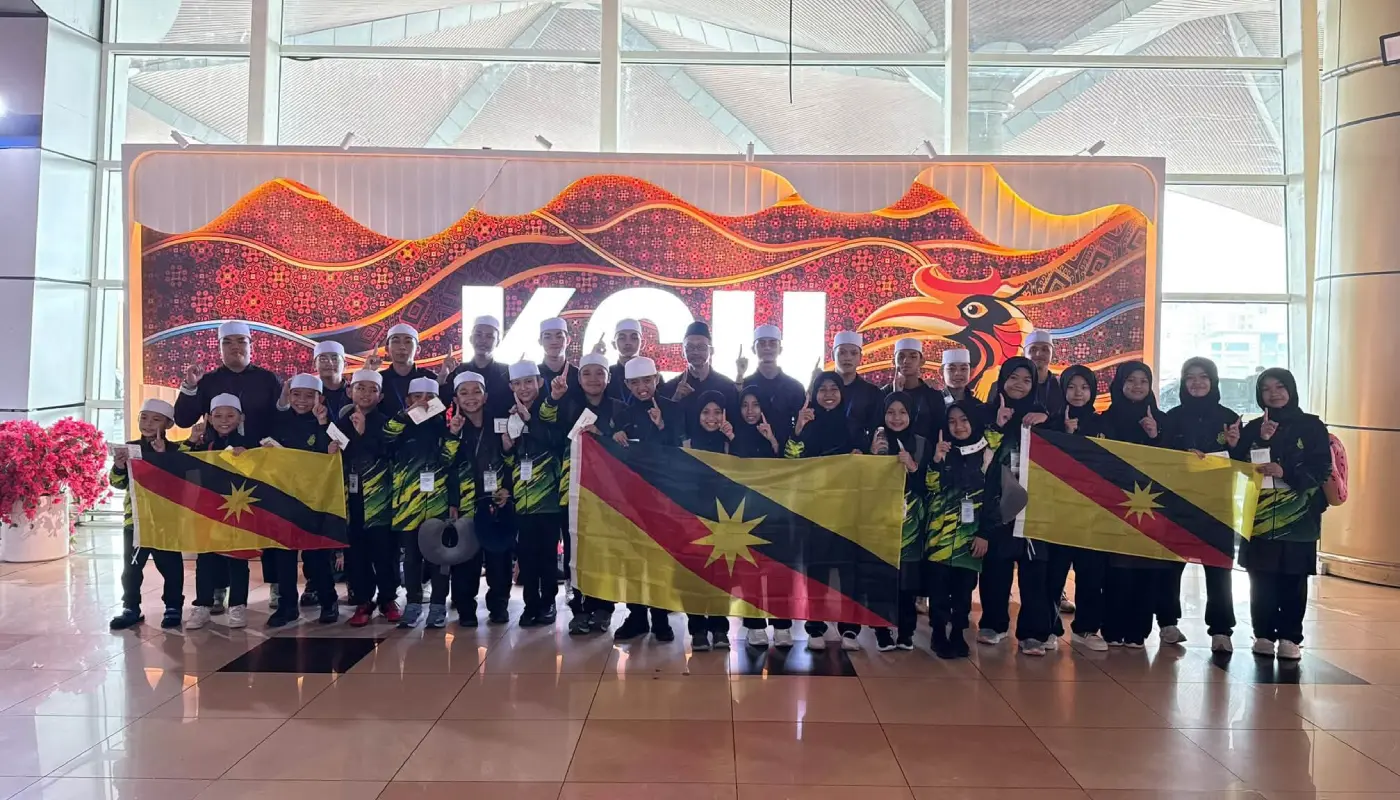


The Sarawak Biodiversity Centre (SBC) welcomed 10 delegates from the 2nd Sarawak Rice Conference (SARICON II) 2026 on 8 October, providing an opportunity for participants to exchange knowledge and explore connections between agriculture, biodiversity and scientific research.
The visit followed the three-day conference, held from 6 to 8 October under the theme “Sustainable Rice Future: Innovation, Collaboration and Resilience”.
Organised by the Department of Agriculture Sarawak, SARICON II brought together researchers, academics, practitioners and industry professionals to discuss developments and opportunities in sustainable rice cultivation.
The visiting delegation represented organisations from Malaysia, Japan and Singapore. These included the Sabah Climate Registry and Inventory Centre (SaCRIC), Pejabat Hasil Bumi, the Sabah Department of Agriculture, Nippon Koei Co., Ltd. of Japan and Temasek Life Sciences Laboratory of Singapore.
The visit to SBC provided a setting for participants to learn about the relationship between biodiversity research and agricultural development.
It also created opportunities for networking among representatives working in different areas of science, environmental management and agricultural practice.
Rice cultivation remains an important component of food production in Sarawak, making sustainability, resilience and innovation relevant considerations for the state’s agricultural future.
Discussions on these issues can involve a range of factors, including farming practices, environmental conditions, research capabilities and the responsible use of natural resources.
The conference theme placed emphasis on collaboration as part of efforts to support a more sustainable and resilient rice sector.
Bringing together participants from government agencies, research institutions and industry organisations can help facilitate the exchange of ideas and identify areas where different forms of expertise may complement one another.
SBC’s role in biodiversity-related research provides a potential point of connection with wider discussions on sustainable agriculture.
Biodiversity research can contribute to understanding biological resources and ecosystems, while agricultural research addresses the production systems and practices needed to support food cultivation.
The exchange also highlighted the value of connecting institutions across geographical and professional boundaries.
Representatives from Malaysia, Japan and Singapore brought perspectives from their respective organisations, creating opportunities to share knowledge and develop professional networks.
However, no specific joint research projects, formal agreements or future collaborative programmes were announced in the information provided about the visit.
The engagement was described as a platform for knowledge exchange and networking, with a broader focus on supporting sustainable development through connections between agriculture, biodiversity, research and innovation.
Visits of this nature can help strengthen communication between organisations whose work intersects with environmental science and food production.
Continued engagement may provide a basis for further discussions on shared interests, although any future initiatives would depend on the priorities and decisions of the institutions involved. The visit concluded the delegates’ engagement with SBC during the final day of SARICON II 2026.
It underscored the importance of cross-disciplinary dialogue in considering how scientific knowledge and institutional collaboration can contribute to the long-term sustainability and resilience of rice cultivation in Sarawak. – Sarawak Daily