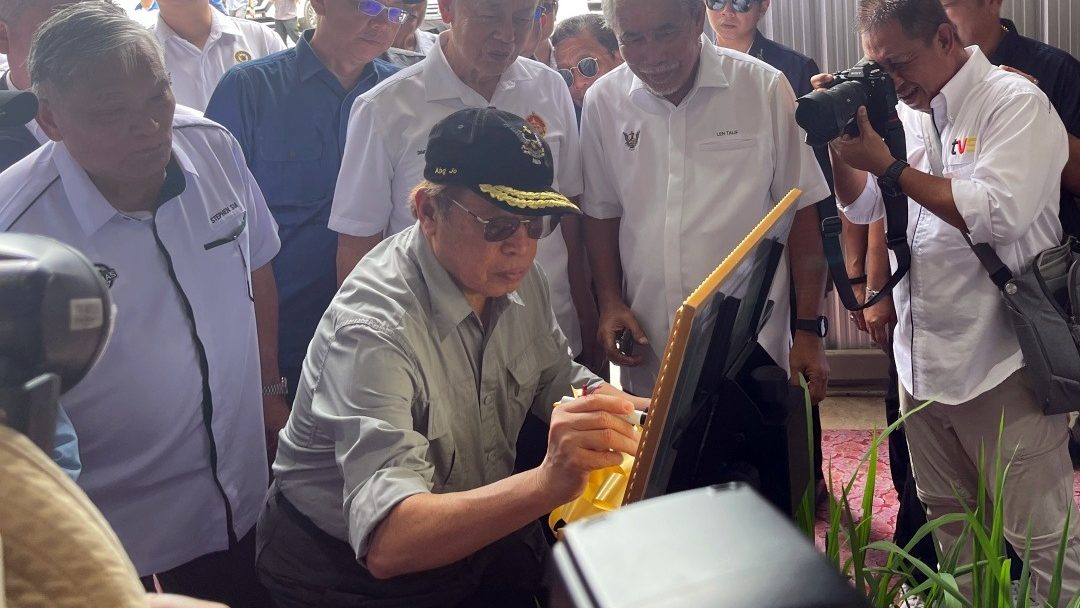
SIBU (Jan 16): Universiti Malaysia Sarawak (Unimas) has embarked on an ambitious project to develop hybrid paddy seeds by combining seeds from China with Sarawak’s local varieties. The initiative aims to bolster the state’s rice production, moving closer to self-sufficiency by 2030.
Premier Datuk Patinggi Tan Sri Abang Johari Tun Openg, while officiating the Onemas Paddy Processing Mill in Sungai Padi, Bintangor, shared details of this innovative plan. He highlighted that Unimas is also conducting research on advanced rice planting systems to complement the seed development.
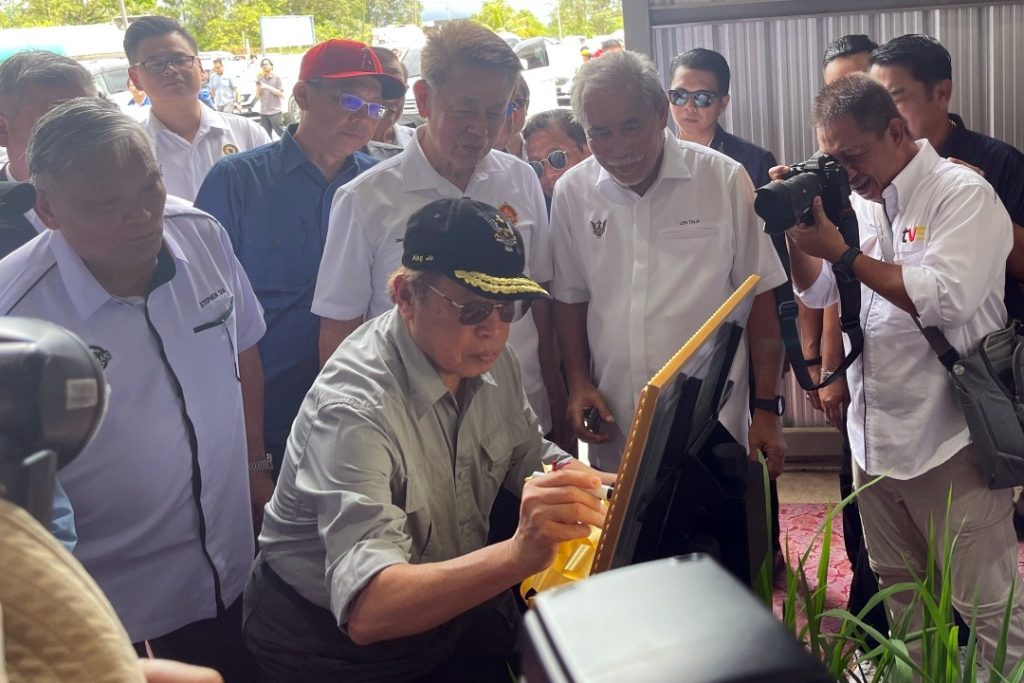
“A private company, Onemas Agriculture Sdn Bhd, is already using seed technology from China. Unimas is now studying hybrid seeds that combine Chinese and local Sarawak varieties,” he said.

The study will focus on seed quality and the suitability of Sarawak’s soil structure, particularly in peat soil areas like Sungai Padi. The Premier also confirmed that the state government would support the initiative by enhancing irrigation systems in key areas.
In addition to Sungai Padi, hybrid rice cultivation is planned for Lawas, Limbang, and Kuching. The Premier expressed optimism that the initiative would reduce reliance on imported rice and pave the way for Sarawak to produce rice for local consumption and even for export.

“With surplus production, we can explore downstream products like rice flour and eventually export them,” he said.
To support small-scale farmers, the state government is considering providing modern machinery to farmers’ associations, which will lease them out at affordable rates.
The project is part of Sarawak’s broader goal to achieve rice self-sufficiency by producing 240,000 tonnes annually by 2030, ensuring food security for its population.