



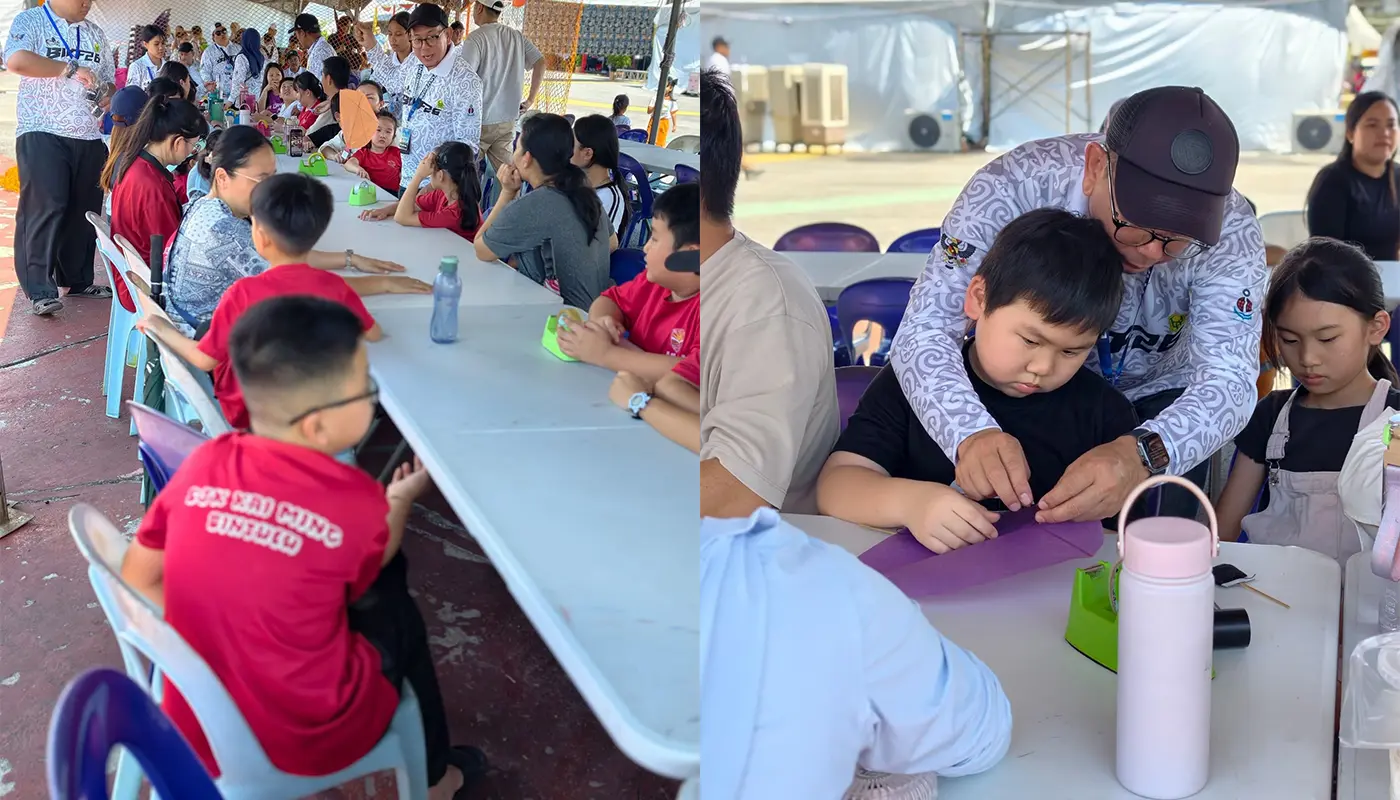
BINTULU – The educational outreach component of the Borneo International Kite Festival (BIKF) 2026 continued to gain momentum with a dedicated session for students from Sekolah Jenis Kebangsaan (Cina) Kai Ming Bintulu. Thirteen pupils from the school participated in the specialised workshop, gaining hands-on experience in the traditional art of kite construction.
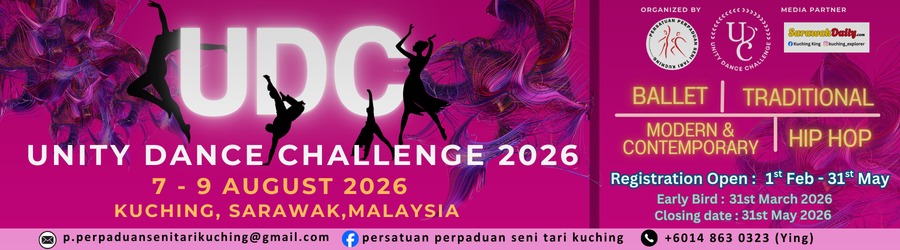
Held as part of the festival’s broader community engagement strategy, the workshop provided a unique opportunity for young learners to connect with cultural heritage through practical application. The session was designed not only to teach technical skills but also to stimulate creativity and foster an appreciation for local traditions. By engaging directly with the craft, students were able to understand the mechanics and aesthetics that make kite flying a beloved pastime in the region.
The participants were guided through the various stages of building a functional kite, from selecting materials to assembling the frame and attaching the sail. This process required attention to detail and patience, qualities that are essential in both academic and personal development. Facilitators ensured that the environment remained supportive and interactive, allowing students to ask questions and experiment with different design elements.
For many of the thirteen attendees, this was their first time constructing a kite from scratch. The experience offered them a sense of accomplishment as they transformed simple components into flying objects. The tactile nature of the activity helped hone their fine motor skills while encouraging problem-solving when faced with structural challenges. Such experiential learning complements classroom education by providing real-world context to theoretical concepts.
The Bintulu Development Authority (BDA), which organises the annual festival, highlighted the importance of involving schools in such cultural initiatives. By targeting specific educational institutions like SJKC Kai Ming, the authority ensures that diverse groups within the community have access to these enriching experiences. This inclusive approach helps bridge generational gaps and keeps traditional crafts alive among younger demographics.
Teachers accompanying the students noted the high level of engagement and enthusiasm displayed throughout the session. The workshop served as a break from routine studies, allowing pupils to explore their artistic side in a relaxed setting. The collaborative atmosphere encouraged peer-to-peer learning, with students sharing tips and assisting each other in perfecting their creations.
Beyond the immediate joy of crafting, the workshop instilled a deeper respect for the skill and effort involved in traditional kite making. In an era dominated by digital entertainment, such hands-on activities offer a refreshing alternative that promotes mindfulness and focus. The students left the session not just with a finished product, but with new skills and memories associated with a significant cultural event.
The BDA expressed satisfaction with the participation from SJKC Kai Ming, noting that the energy and curiosity of the students contributed significantly to the success of the workshop. Officials reiterated their commitment to expanding such programmes in future editions of BIKF, aiming to reach even more schools across the district.
This initiative aligns with national efforts to preserve intangible cultural heritage while promoting holistic education. By integrating traditional arts into school activities, organisers help ensure that these practices remain relevant and valued by future generations. The kites made by the Kai Ming students will likely take to the skies during the festival, symbolising their contribution to the event.
As BIKF 2026 progresses, the focus on youth engagement remains a key pillar of its success. Workshops like this one demonstrate that festivals can be more than just spectacles; they can be platforms for learning, connection, and cultural preservation. The positive response from SJKC Kai Ming underscores the potential for further collaboration between educational bodies and cultural organisers.
The event concluded with the students proudly displaying their handmade kites, ready for flight. Their participation adds to the vibrant tapestry of BIKF 2026, reflecting the festival’s role as a unifying force in Bintulu’s community. Through such targeted interventions, the BDA continues to build a legacy of inclusivity and cultural pride.
