



KUCHING – More than 75 young participants, including members of SABERKAS and students from CENTEXS, have taken part in the South Zone 1 Artificial Intelligence (AI) Literacy Programme, aimed at strengthening technological knowledge among Sarawak’s youth.

The initiative was organised by the SABERKAS Science, Technology and Innovation Subcommittee in collaboration with the SABERKAS Batu Kawah Branch.
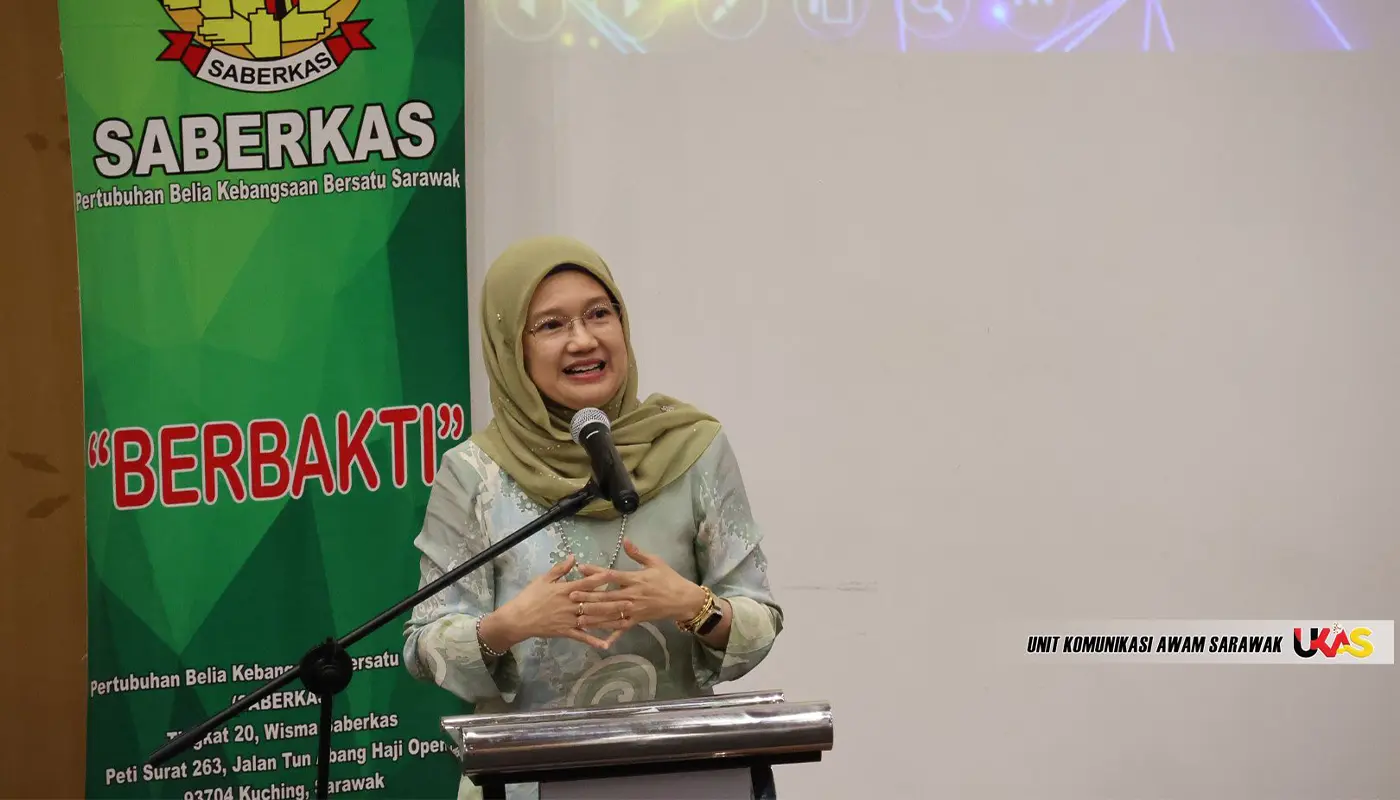
The closing ceremony was officiated by Dr. Dayang Hanani Abg Ibrahim, Chief Academic Officer for Aerospace Digital and Green Energy, who represented SABERKAS President Dato Sri Abdul Karim Rahman Hamzah.
Over the course of the programme, participants attended three technical sharing sessions conducted by I-CATS Sarawak, TEGAS, and CENTEXS. They also visited the CENTEXS AI TestBed, which showcased applications of hydrogen technology and smart agriculture, reflecting Sarawak’s push towards sustainable innovation.
In her address, Dr. Dayang Hanani highlighted that AI has become a central driver of Sarawak’s development, in line with the Sarawak Digital Economy Blueprint 2018. She stressed the importance of nurturing AI literacy among young people to ensure they remain competitive in the fast-growing digital economy.
Sarawak has already achieved notable milestones in the field of innovation. These include the establishment of the Sarawak AI Centre (SAIC), the development of the DeepSAR local language model, the creation of the Ketik AI power device, and the launch of Tap & Go Smart Shop, Malaysia’s first unattended retail outlet.
Dr. Dayang also reminded participants that while AI offers powerful tools, ethical considerations must remain at the forefront. She emphasised that technology should be guided by human creativity and wisdom, ensuring progress is both responsible and inclusive.
The CELIC AI SABERKAS South Zone 1 programme concluded with a call for participants to continue serving as agents of AI culture within their communities.
Organisers expressed hope that the knowledge gained would inspire further innovation and strengthen Sarawak’s position as a leader in digital transformation.
Observers note that initiatives like this reflect Sarawak’s broader commitment to building a digitally skilled workforce, ensuring that rural and urban youth alike are equipped to contribute to the state’s technological future.
