



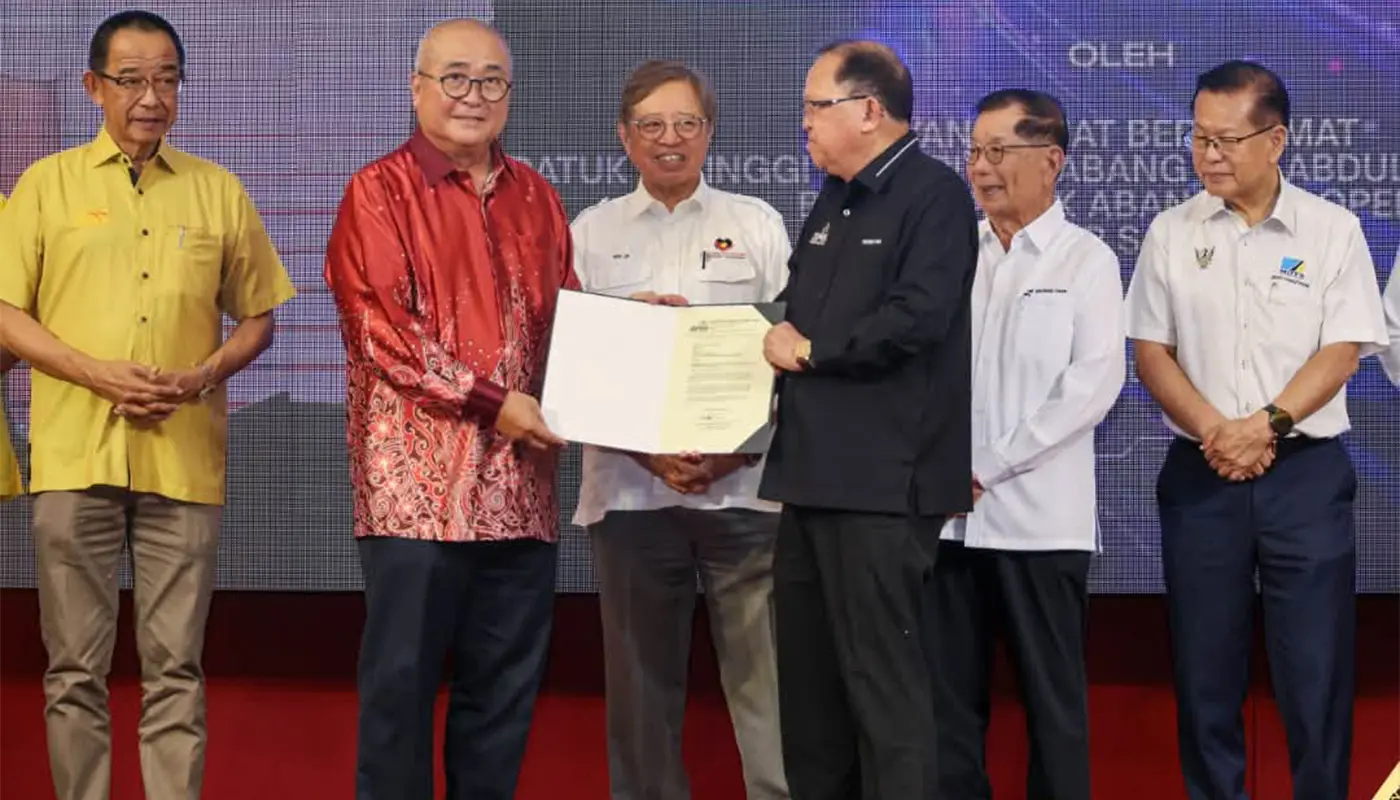
MIRI – Sarawak is intensifying efforts to transform Miri into a low-carbon smart city, combining digital innovation, clean energy and sustainable practices to enhance urban living and strengthen its appeal as a competitive destination.

Premier Datuk Patinggi Tan Sri (Dr) Abang Haji Abdul Rahman Zohari bin Tun Datuk Abang Haji Openg emphasised that smart city development must go hand in hand with environmental sustainability.
Speaking at the opening of the Miri Smart City Command Centre at the Imperial Hotel on 4 July, he highlighted the importance of ensuring that Miri remains clean, green and comfortable for both residents and visitors.
“We not only want Miri to become a smart city, but Miri must also be a clean and low-carbon city. This is important because Miri is a tourist destination and we want tourists to come and enjoy a clean, beautiful and comfortable city,” he said.
The Premier explained that future public transport in Miri will adopt clean energy solutions, including hydrogen-powered and electric buses.
These initiatives are part of Sarawak’s broader strategy to integrate sustainable energy into urban systems, reducing carbon emissions while improving efficiency.
He also revealed that Sarawak is developing a 500-megawatt gas turbine plant in Miri, expected to be operational within the next 18 months.
The facility will provide additional support for low-carbon energy needs, complementing the state’s push towards renewable and cleaner energy sources.
Abang Johari stressed that the city’s image must be preserved, as it reflects the identity and pride of the community.
He noted that a smart city should not only be technologically advanced but also environmentally sustainable, ensuring that development benefits both people and nature.
The Miri Smart City Command Centre, launched alongside these initiatives, will serve as the hub for monitoring and managing smart city operations.
It is designed to integrate digital technology into urban management, public safety, and service delivery, aligning with Sarawak’s Post-COVID-19 Development Strategy 2030 (PCDS 2030).
By combining clean energy with digital innovation, Miri is set to become a model for sustainable urban development in Sarawak.
The Premier’s vision underscores the state’s commitment to balancing modernisation with ecological responsibility, ensuring that Miri remains a vibrant, attractive and resilient city for the future.
