



KUCHING – Strategic preparations for the 34th SEA Games Malaysia 2027 have taken a significant step forward as Sarawak authorities formalised collaborative frameworks with Kuala Lumpur City Hall (DBKL).

The initiative focuses on harmonising accommodation and catering standards across host regions, ensuring a seamless experience for athletes, officials, and visitors during the multi-sport event.
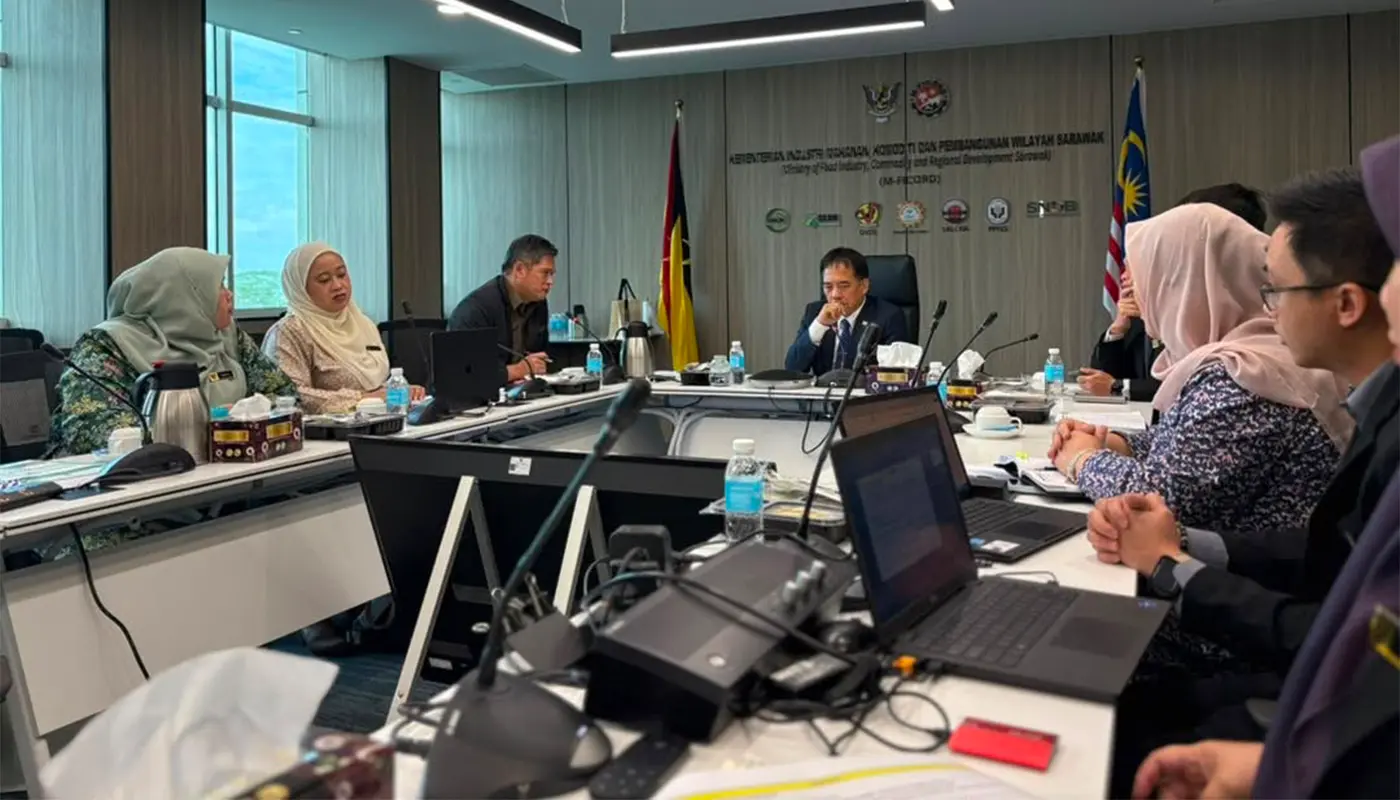
A high-level synergy networking session was convened on 24 July 2026, bringing together key stakeholders from the Sarawak Cluster’s Accommodation and Catering Committees.
The Accommodation Committee operates under the purview of the Sarawak Ministry of Natural Resources and Urban Development (MUDeNR), while the Catering Committee falls under the Sarawak Ministry of Food Industry, Commodities and Regional Development (M-FICORD).
These bodies engaged in detailed discussions with DBKL representatives to identify areas of mutual support and operational alignment.
Following the initial dialogue, a comprehensive briefing session was held on 31 July 2026 to review the outcomes and chart the implementation path.
The session served as a platform to present the inputs gathered during the networking phase, translating strategic discussions into actionable plans.
The primary goal is to leverage the expertise and infrastructure of both jurisdictions to elevate service delivery standards for the upcoming games.
The briefing was chaired by YBhg. Datu Hii Chang Kee, who holds multiple pivotal roles in the organisational structure.
He serves as the Deputy Secretary to the Sarawak Government (Operations), Secretary of the Local Organizing Committee (LOC) for the Sarawak Cluster, Deputy Chief Executive Officer of the Malaysian Sport Organizing Committee (MASOC), and Chairman of the 34th SEA Games 2027 Organizing Working Committee (Sarawak Cluster).
His leadership underscores the state government’s commitment to integrating Sarawak’s preparations with national benchmarks.
Datu Hii emphasised that the objective of these engagements extends beyond mere coordination. The sessions aim to facilitate the exchange of best practices, allowing Sarawak to adopt proven strategies from Kuala Lumpur while adapting them to local contexts.
This knowledge transfer is crucial for managing the complex logistics of housing thousands of participants and providing diverse culinary options that meet international dietary standards and cultural preferences.
Accommodation management remains a critical pillar of the games’ success. With expectations of high occupancy rates in both Kuching and Kuala Lumpur, ensuring adequate inventory, quality control, and efficient booking systems is paramount.
The collaboration with DBKL allows for shared insights on hotel classification, security protocols, and transport links between lodging facilities and competition venues.
This integrated approach helps prevent bottlenecks and ensures that athletes can focus on their performance without logistical distractions.
Similarly, the catering component requires meticulous planning to address food safety, supply chain resilience, and menu diversity.
The M-FICORD-led committee is working closely with DBKL’s counterparts to standardise hygiene regulations and streamline vendor accreditation processes.
By aligning these procedures, organisers aim to create a robust framework that supports both large-scale athlete dining halls and smaller hospitality events for dignitaries and media personnel.
The synergy between Sarawak and Kuala Lumpur also highlights the broader theme of national unity through sport.
As the first time Sarawak hosts a major cluster of the SEA Games, the state benefits from the experience of previous host cities.
This partnership exemplifies how inter-state cooperation can enhance capacity building and resource optimisation, setting a precedent for future multi-location sporting events in Malaysia.
Officials noted that the momentum generated from these sessions will drive subsequent phases of preparation.
Regular updates and joint monitoring mechanisms are expected to be established to track progress against key milestones.
The focus remains on delivering a world-class event that showcases Sarawak’s hospitality and organisational prowess on the regional stage.
As the countdown to 2027 continues, the integration of accommodation and catering logistics stands as a testament to the proactive planning underway.
Stakeholders remain confident that these collaborative efforts will result in a smooth, efficient, and memorable experience for all participants, reinforcing Malaysia’s reputation as a premier destination for international sports competitions.
