



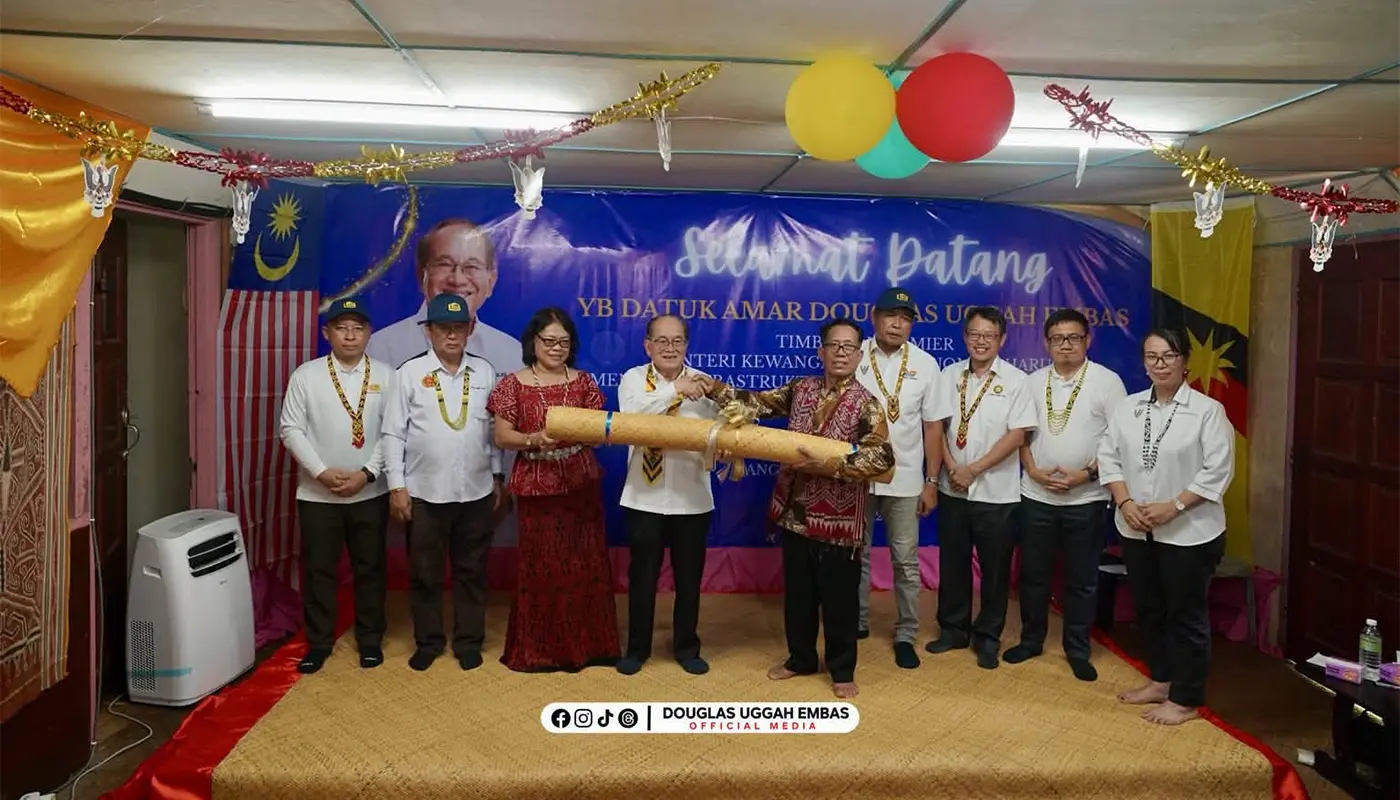
JULAU – The Sarawak Government’s XPDC 3.0 expedition has concluded after a two-day field assessment of road and communication needs across the Ulu Kota, Ulu Skrang and Ulu Entabai areas.
The expedition was carried out to examine existing infrastructure conditions in several interior locations and to assess possible access routes that could help improve connectivity for communities in areas where road access remains limited.
XPDC 3.0 is the third expedition of its kind undertaken to assess infrastructure needs in Sarawak’s interior. Previous expeditions covered Bario and the interior of Belaga.
This latest field exercise placed particular attention on former logging roads that have since been taken over by the Sarawak Government. Some of the routes were assessed for their potential to be upgraded and developed into links serving remote settlements and communities.
The field survey also provided an opportunity to identify possible road corridors connecting interior areas that currently lack reliable or complete road access.
Throughout the two-day programme, Datuk Amar Douglas Uggah Embas, together with officers from the Sarawak Public Works Department, visited a number of project sites and locations along the routes covered by the expedition.
The team also engaged with residents and local representatives to hear directly about infrastructure and communication challenges faced by communities in the affected areas.
The visits were intended to provide a clearer picture of conditions on the ground and the practical needs of people living in the interior, particularly in locations where access remains dependent on existing rural routes.
The assessment of former logging roads is also significant because some of these routes could potentially provide a basis for improving connections to communities that are currently difficult to reach by conventional road networks.
At the conclusion of the expedition, Uggah thanked the Sarawak Public Works Department team, relevant agencies, elected representatives, community and tribal leaders, as well as residents who assisted during the programme.
“Thank you for the welcome and support given throughout this expedition,” he said.
The expedition also highlighted the importance of field assessments in planning infrastructure improvements in rural and interior parts of Sarawak. Direct inspections can help authorities understand the condition of existing routes while gathering information from communities about their most pressing access requirements.
The Sarawak Government has continued to place attention on improving connectivity in rural areas, particularly where geographical conditions and limited infrastructure have made access more challenging.
For communities in the interior, better road links can improve access to essential services and strengthen connections between settlements and surrounding areas. The potential upgrading of existing routes could also provide additional options for extending the road network into locations that remain underserved.
Although XPDC 3.0 has now ended, the infrastructure issues identified during the expedition are expected to remain part of the wider effort to improve rural connectivity and communication networks across Sarawak.
The latest expedition therefore serves as another field assessment of the infrastructure gaps faced by interior communities, while providing authorities with a closer understanding of routes that could potentially support future development.
