



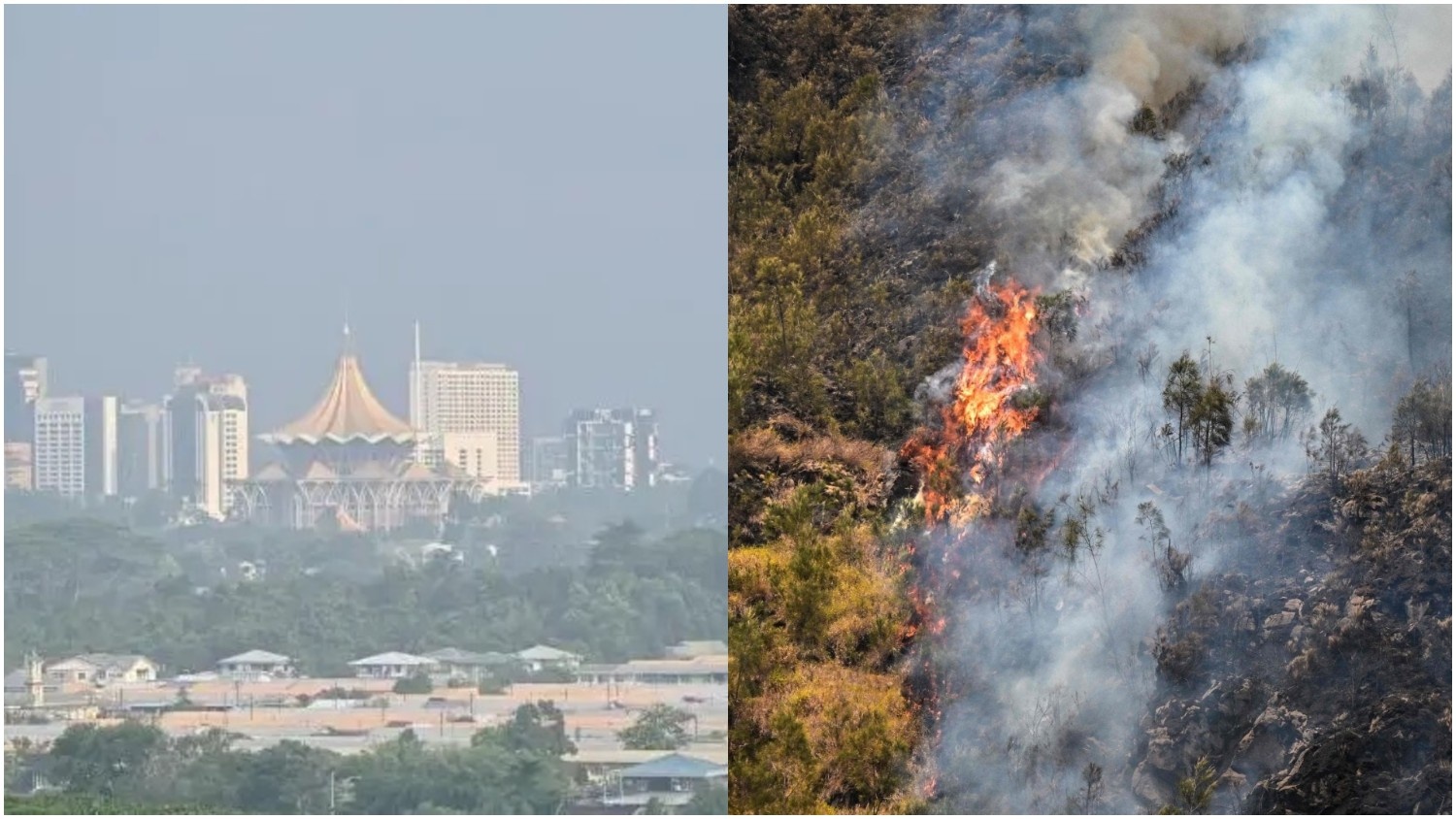
KUCHING, Aug 13, 2026 — Kuching is facing unhealthy air quality as haze continues to affect parts of Sarawak, raising concerns among residents as smoke from forest and land fires in Indonesia crosses into the region.
The worsening air quality has been reported in several parts of Sarawak, with Kuching among the areas affected. The haze has also reached nearby areas including Samarahan and Serian, where air pollution levels have risen in recent days.
As of 8am on Thursday, seven areas in Sarawak were recording unhealthy Air Pollutant Index (API) readings. This made Sarawak the state with the highest number of areas recording unhealthy air quality in Malaysia at the time.
The situation has raised fresh concerns about the return of transboundary haze, particularly as Indonesia continues to deal with a large number of forest and land fires.
On Aug 12, Serian recorded an API reading of 195, putting the area close to the very unhealthy category, which begins at 201.
For residents in Kuching, the haze has become increasingly noticeable, with smoke and fine particles affecting visibility and outdoor conditions.
The current situation is closely linked to fires in Indonesia, particularly in areas of Kalimantan and Sumatra.
According to Indonesia’s Ministry of Forestry, a total of 107,465.47 hectares of forest and land were affected by fires between January and June 2026.
West Kalimantan recorded the largest affected area, with 28,680.47 hectares, followed by Riau with 15,477.95 hectares.
The large number of fires in West Kalimantan is a concern for Sarawak because the Indonesian province shares a land border with the Malaysian state.
Indonesia has also recorded a significant increase in fire hotspots compared with last year. Reported monitoring data showed national hotspot activity was 166.99 per cent higher than during the same period in 2025.
Authorities in Indonesia have increased efforts to control fires as the dry season continues. However, continued dry weather could make firefighting more difficult and allow fires to spread.
The movement of smoke across national borders depends partly on weather and wind conditions. When winds carry smoke towards Sarawak, the pollution can affect areas including Kuching and other divisions in the state.
The Department of Environment has been monitoring the air quality situation, with several locations in Sarawak recording unhealthy API readings in recent days.
The haze is not only a visibility issue. Fine particles from smoke can enter the respiratory system and may cause health problems, particularly for children, elderly people and those with existing respiratory or heart conditions.
Residents are advised to monitor official API readings and reduce prolonged outdoor activities when air quality becomes unhealthy. People are also encouraged to reduce strenuous outdoor exercise during periods of heavy haze.
Schools, businesses and organisers of outdoor activities may also need to monitor the situation closely if air quality deteriorates further.
The coming days will be important as weather conditions across the region remain closely watched.
If fires in Indonesia continue and dry weather persists, more smoke could reach Sarawak and worsen air quality in Kuching and other affected areas.
Rainfall, however, could help suppress fires and improve air quality by clearing smoke from the atmosphere.
For now, residents in Kuching and other affected areas are being urged to remain alert and follow health advice as authorities continue to monitor the haze.
With more than 107,000 hectares already affected by forest and land fires in Indonesia during the first six months of the year, the latest conditions serve as a reminder that transboundary haze remains a serious regional problem.
