



KUCHING – Residents across several districts in the state capital are experiencing significant water supply disruptions and reduced pressure as authorities grapple with declining raw water levels at a key treatment facility.

The Jambatan Air Bekalan Lembangan Bintulu (JBALB) has issued an urgent notice confirming that the Engkelili Water Treatment Plant is operating under constrained conditions due to insufficient inflow at its inlet point.
The disruption affects a wide geographical area, impacting households and businesses throughout Engkelili, Selindung, Memaloi, Sedarat, and Jelukong.
Additionally, properties situated on elevated terrain or hilly zones are reporting more severe pressure drops, as gravity-fed systems struggle to maintain consistent flow during periods of low reservoir capacity.
This situation highlights the vulnerability of urban water infrastructure during extended dry spells, a challenge increasingly common in tropical regions facing shifting weather patterns.
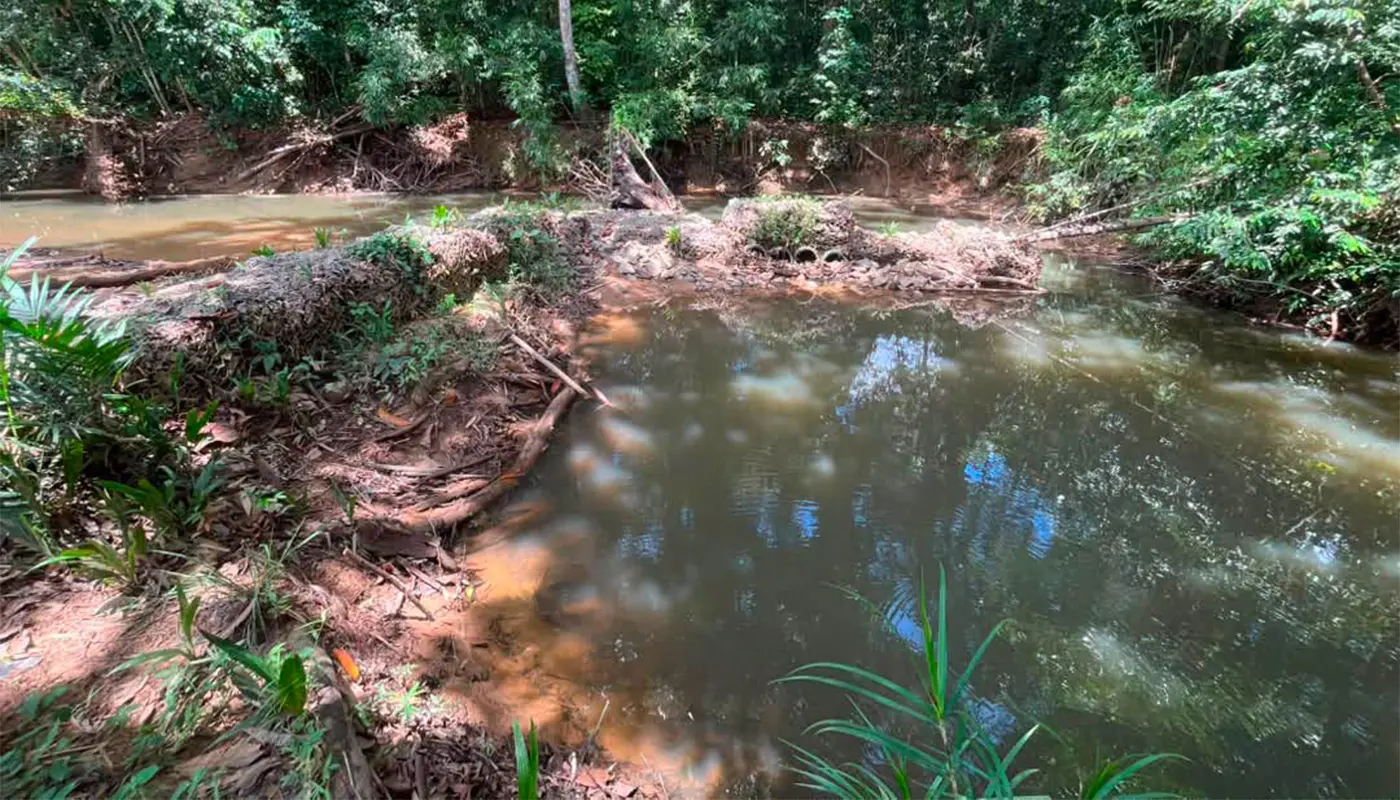
In response to the developing crisis, JBALB engineers have mobilised emergency teams to implement immediate mitigation measures. A primary strategy involves the strategic placement of sandbags at the plant’s inlet structure.
This temporary engineering solution aims to artificially raise the water level, allowing pumps to continue drawing raw water for treatment despite the natural decline in the source.
While this method provides short-term relief, it requires constant monitoring and adjustment to remain effective as conditions fluctuate.
To support communities most affected by the shortage, the utility provider has arranged for the staged deployment of water tanker trucks.
These mobile units are being dispatched to critical areas within the impacted zones to ensure that residents have access to clean water for essential domestic use.
The distribution schedule is being coordinated to prioritise locations where pressure loss is most acute, particularly those on higher ground where pipeline pressure is naturally weaker.
Public health officials and water management experts advise consumers to adopt conservative usage habits during this period.
Households are encouraged to store adequate supplies when water flow is available, particularly during off-peak hours such as late night or early morning when demand across the network is lower.
This proactive approach helps alleviate strain on the system and ensures families have reserves for cooking, cleaning, and hygiene needs if interruptions occur during peak times.
The current situation underscores the broader challenges of water security in urban centres. Climate variability has led to more frequent and intense dry periods, placing unprecedented stress on traditional water sources.
Infrastructure designed for historical rainfall patterns often struggles to cope with prolonged deficits, necessitating both immediate emergency responses and long-term investment in resilient water management systems.
Experts suggest that diversifying water sources and enhancing storage capacity could mitigate similar disruptions in future.
JBALB has established a dedicated hotline for residents seeking assistance or clarification regarding the outage. The call centre, reachable at 082-262211, operates to address emergency queries and provide updates on restoration efforts.
Authorities have apologised for the inconvenience caused and urged patience as teams work around the clock to stabilise supply conditions.
Community cooperation remains vital, with officials requesting that neighbours share information with vulnerable individuals who may not have immediate access to digital updates.
Water conservation messages have been amplified across local media channels, reminding citizens that every litre saved contributes to system stability.
Simple actions such as fixing leaking taps, reducing shower times, and avoiding unnecessary garden watering can collectively make a substantial difference.
During drought conditions, public awareness and behavioural change become as important as technical interventions in maintaining service continuity.
The incident serves as a reminder of the interconnected nature of urban utilities and environmental conditions.
As temperatures rise and rainfall patterns become less predictable, cities must adapt their infrastructure and public communication strategies to manage resource scarcity effectively.
For now, residents in the affected areas are advised to remain vigilant, conserve wisely, and stay informed through official channels as the situation evolves.
